Horse Cremation in Texas
A horse leaves around 38.5 lb[1] of ashes on our estimate, and it takes a large-animal chamber and a winch truck to get there. Here's how that works for owners in Texas.
- Straight answers on trucks, gates and ground
- Written totals that include the haul
- Keepsakes saved before collection
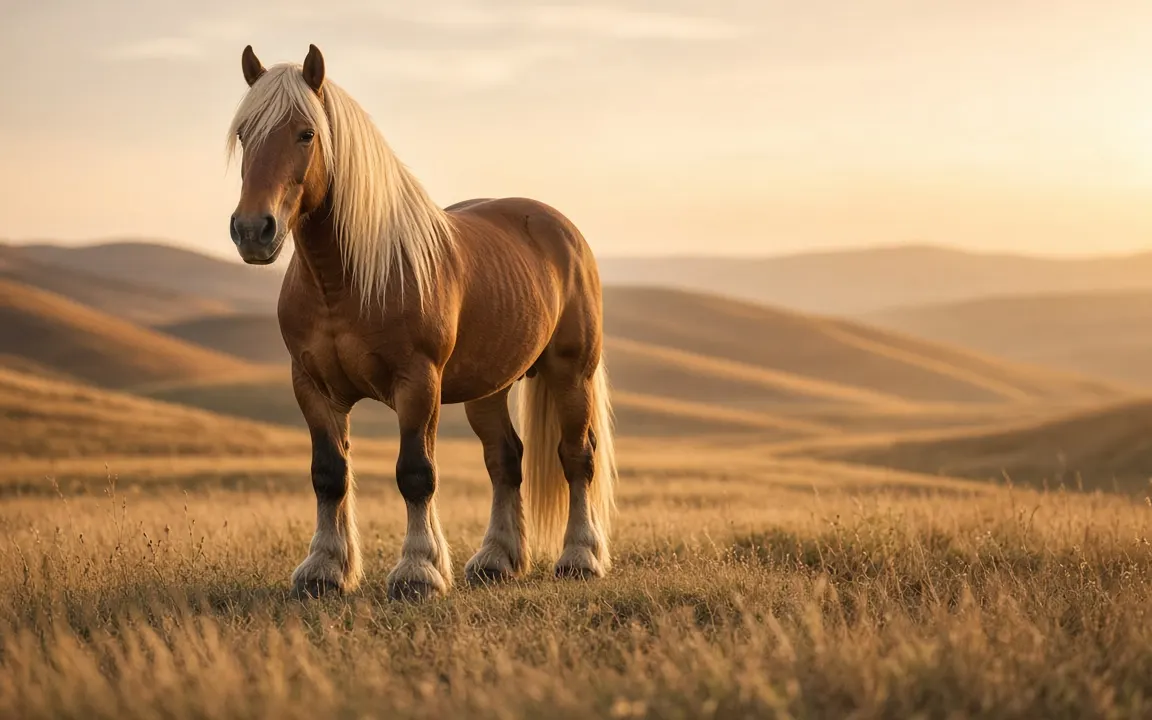
Texas, the United States
Horse Cremation in Texas: what to know
Horse aftercare across Texas depends more on geography than on anything else. Owners near a large-animal crematory can have a horse collected the same day; owners a few hours away may wait for a scheduled route, or choose burial, rendering or composting instead. This page gives you the picture for Texas as a whole, and each city page adds local weather, costs and access advice.
If you keep a horse in Texas, two things shape aftercare: distance and ground. Distance decides what a crematory or collector charges and how soon they can come; ground decides whether a truck can reach your horse and whether burial is even possible. Both change with the seasons, so a plan that works in summer may not work in winter.
We cover 325 communities in Texas, from Houston, San Antonio and Dallas to smaller towns. Conditions vary a lot across Texas: summer highs reach about 101°F in Laredo, while winter lows average 25°F in Amarillo. In 1% of the Texas communities we cover, average lows drop below freezing for three months or more, which matters for home burial.
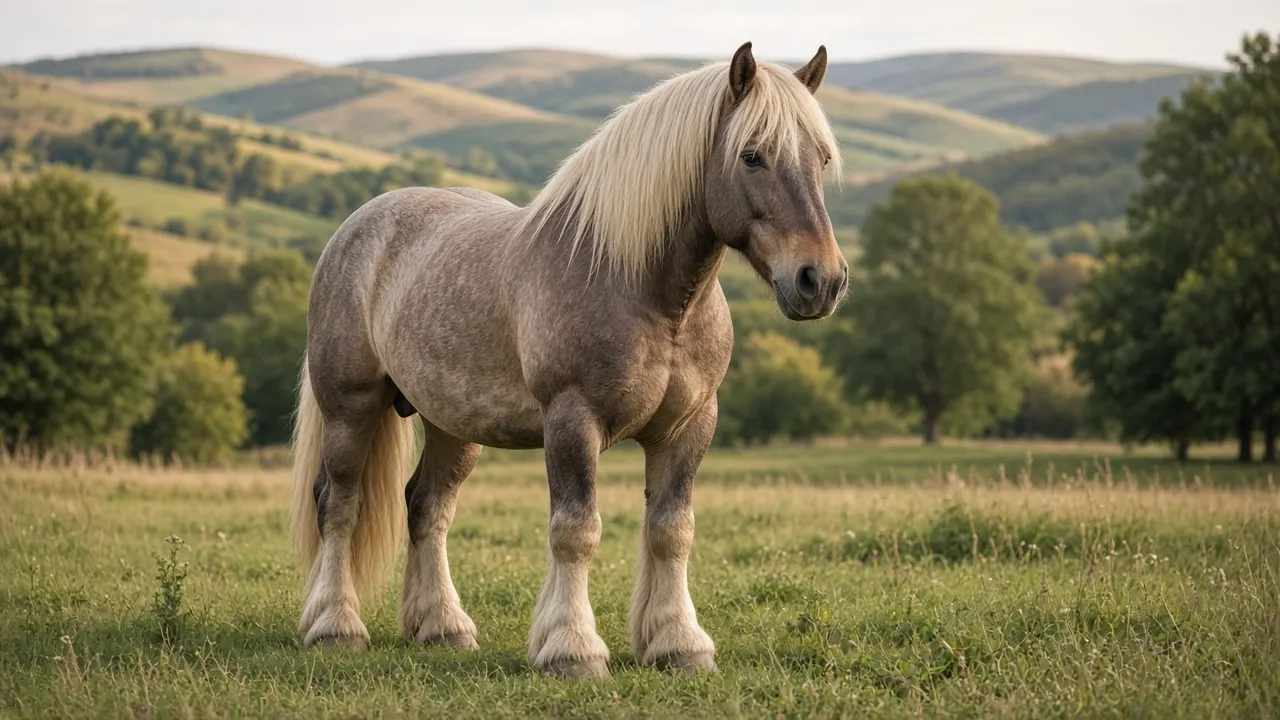

Every Texas community we cover
Choose your city or town for local prices, weather and timing, and rules. 325 communities in Texas, largest first below.
- Houston2,397,315 people
- San Antonio1,548,422 people
- Dallas1,329,491 people
- Fort Worth1,028,117 people
- Austin1,002,632 people
- El Paso683,012 people
- Arlington402,134 people
- Corpus Christi317,247 people
A
B
C
D
F
G
H
L
M
N
P
R
S
T
W
Cremation habits in Texas, and your horse
Roughly 55.7%[2] of funerals in Texas now end in cremation, and farm habits here have been shifting in parallel. The old answer for a dead horse, calling the renderer, is fading in many areas because fewer plants now accept horses[3]. That has nudged owners who once used the knacker's truck toward cremation, composting or burial, often without anyone quite deciding to change.
The cremation figure for Texas comes from NFDA 2024 Cremation & Burial Report state projections (via Occasional Sage) (2024). It counts people, not pets, so treat it as a guide to local attitudes rather than a pet statistic.
What horse cremation costs in Texas
Horse cremation costs more for a simple reason: one horse fills most of a large-animal chamber, around 73% of chamber capacity[4] on our estimate, so each horse is cremated on its own. Per pound, that works out at about $0.80/lb[5] at midpoint prices, several times the cost of rendering or composting. Ask any provider serving Texas to list the cremation and the haul separately.
Why are equine crematories so scarce around Texas? Partly because the market is small. By our estimate, if every US horse that died in a year were cremated at the $800 midpoint, total spending would be only about $74 million[6], too little to put a large chamber in every county. That's why the haul so often decides the price.
| Option | Typical cost | What comes back |
|---|---|---|
| Private cremation | $600-$1,000[7], plus the haul | Your horse's ashes |
| Rendering pickup | $75-$200[8] | Nothing returned |
| Burial with a rented backhoe | $250-$500[9] | A grave on your land |
| On-farm composting (1,200 lb horse) | $170-$380[10] | Compost, after many months |
| Landfill, where accepted | $80 to $150[9] | Nothing returned |
| Source | Extension Horses: horse disposal options | Euthanasia and transport are extra |
To check the figures yourself, see Cornell Waste Management Institute & Penn State and Extension Horses (eXtension national Cooperative Extension).

Free tool
Horse aftercare cost comparison
Compare equine cremation, burial, rendering and composting side by side.
Before anyone digs: the rules in Texas
If your horse was put to sleep with a barbiturate, the rules tighten almost everywhere: the body must be buried deeply, cremated or handled through an approved route so wildlife can't reach it. Beyond that, local rules in Texas decide whether burial or on-farm composting is allowed, and how soon disposal has to happen.
- Burial at home: Confirm the rule for the actual parcel and proposed burial with the local authority and property owner.
- Scattering ashes: Ask the exact land manager about scattering before making arrangements; a general gathering permission is a separate matter.
- Who oversees it: the authority responsible for the specific activity and location; this guide does not identify a universal permit or licensing rule
- Worth knowing: Record the service method, release authority, identification and return instructions in writing.
A city's population does not establish which aftercare activities are allowed at an address. Check the actual site and activity before proceeding.
County and city offices set many of the local rules. To find yours, start with the official Texas local government directory.
What to do when your horse dies in Texas
- Tell the clinic right away what you want: individual cremation with ashes, a collection service, or bringing your horse home.
- Ask how long they can hold your horse, plus whether each day in storage is charged.
- Ask staff to save keepsakes before release: tail hair, some mane, the shoes and the headcollar you arrived with.
- Get the provider's name in writing, no matter if the clinic picked their regular company or you named one yourself.
- Settle who bills you: at some clinics the aftercare goes on the vet bill; at others you pay the provider directly.
- Arrange where the ashes should go: the clinic for you to collect, the barn, or straight to your house.
- Collect your tack, rugs and paperwork yourself, or have the clinic keep them safe until you can come back.
Memorials at the barn and beyond
Some owners in Texas scatter ashes at a show ground, a beach they galloped on or along a public trail. Public land usually has its own rules, and many places ask you to request permission first, so check before you go and choose a quiet moment. Private land with the owner's blessing is always simplest.
From here: services and prices, the free tools, what readers voted in the polls, or the map of every location.

Reader polls
What would you choose?
Vote anonymously and see how other readers answered. The results are live counts from people who visit this site, so they show real opinions, not a scientific sample.
What worries you most about horse aftercare?
Tap an answer to vote and see how others answered. Anonymous.
If you had to decide today, what would you choose for your horse?
Tap an answer to vote and see how others answered. Anonymous.
If you had to decide today, which aftercare would you choose for your pet?
Tap an answer to vote and see how others answered. Anonymous.

Free tools to help you plan
Horse aftercare cost comparison
Compare equine cremation, burial, rendering and composting side by side.

Aftercare options compared
Compare private, communal and water cremation with burial on cost, timing and what comes home.

Ashes weight estimator
See roughly how much ash to expect back, by species and body weight.
Questions people ask
How many communities do you cover in Texas?
We have local horse aftercare guides for 325 communities in Texas, including Houston, San Antonio and Dallas. Each covers local weather and timing, costs, rules and how collection usually works there. If your farm sits between towns, use the nearest one and give us your exact location when you get in touch.
Should I plan ahead for an older horse?
It helps a great deal. Choose a provider now, check that a truck can reach your barn in every season, note your budget and whether you want the tail and a shoe saved, and leave the plan with whoever cares for your horse day to day. Horses aged 20 and over have the highest yearly death rate in USDA data, 3.1%[11].
Can I bury a horse on my land in Texas?
Often yes, with conditions on depth, soil cover, distance from wells, streams and property lines, and timing. Counties can add their own rules. National extension guidance suggests a trench about 9 ft deep[12] for a horse. Check with the state agriculture department or your county before digging, and think about whether you'll keep the land.
Does winter affect horse aftercare in Texas?
In the colder parts of Texas, yes. Frozen ground can rule out burial for months, and icy lanes can stop a collection truck. Among the communities we cover, Amarillo has the coldest winter lows, averaging about 25°F. Many owners in cold areas cremate in winter and bury or scatter the ashes in spring.
Is scattering horse ashes on public land allowed in Texas?
Rules differ between parks, forests, beaches and council land, and many want you to ask first. Scatter thinly, away from water sources and busy areas. Land you own, or a friend's with their say-so, is easiest, and many owners scatter at a barn, a trail they rode or a friend's farm instead.
Can I compost a horse in Texas?
Possibly. On-farm composting of a horse is legal in many US states and costs far less than cremation, but some states restrict it; California bans composting of unprocessed mammal tissue. Expect the process to take about 9-10 months[13] for a whole horse. Ask the Texas agriculture department or your extension office before you start a pile.

Sources and our estimates
- [1] A 1,100 lb horse would be expected to return roughly 38.5 lb of cremated remains (plausible range 33-55 lb). Our estimate: 1,100 lb x 3.5% (range 3%-5%). How we calculate.
- [2] The NFDA projected Texas's cremation rate at 55.7% for 2024. NFDA 2024 Cremation & Burial Report state projections (via Occasional Sage), 2024.
- [3] Renderers have served horse owners for over 100 years, but regulatory changes have reduced the number of rendering plants willing to accept horses, and fees and drug-residue rules may apply. Cornell Waste Management Institute & Penn State - Horse Mortality: Carcass Disposal Alternatives (2012), 2012.
- [4] A 1,100 lb horse uses about 73% of a 1,500 lb animal incinerator load, so large-animal units generally cremate one horse at a time. Our estimate: 1,100 / 1,500 x 100. How we calculate.
- [5] Midpoint horse cremation cost works out to about $0.80 per pound of body weight, versus about $0.14 per pound for rendering pickup and $0.23 per pound for on-farm composting. Our estimate: cremation $800 / 1,000 lb; rendering $137.50 / 1,000 lb; composting $275 / 1,200 lb. How we calculate.
- [6] If every U.S. horse that dies in a year were cremated at the $800 midpoint, total spending would be about $74 million; rendering them all would cost about $12.7 million. Our estimate: 92,400 horses x $800; 92,400 x $137.50. How we calculate.
- [7] Cremating a 1,000-pound horse was reported to cost about $600-$1,000, depending on location and the price of propane. Extension Horses (eXtension national Cooperative Extension) - Horse Disposal Options, 2019, 2019.
- [8] Rendering companies typically charge a pickup fee of $75-$200 to remove a horse carcass, depending on location. Extension Horses (eXtension national Cooperative Extension) - Horse Disposal Options, 2019, 2019.
- [9] Renting a backhoe to bury a horse costs roughly $250-$500, and horse disposal in a landfill (where accepted) costs about $80-$150. Extension Horses (eXtension national Cooperative Extension) - Horse Disposal Options, 2019, 2019.
- [10] Composting a 1,200-pound horse requires about 10 cubic yards of carbon material (wood chips, sawdust), and total material, equipment, fuel and labor costs were estimated at $170-$380 per horse. Cornell Waste Management Institute & Penn State - Horse Mortality: Carcass Disposal Alternatives (2012), 2012.
- [11] Equids aged 20 years or older had a 3.1% annual mortality rate in the 2015 NAHMS study, the highest of any age group. USDA APHIS NAHMS - Equine Mortality in the United States, 2015 (published Feb 2017), 2015.
- [12] Extension guidance recommends a horse burial trench about 7 feet wide and 9 feet deep, covered by 3-4 feet of soil, and no fewer than 100 yards from wells and streams. Extension Horses (eXtension national Cooperative Extension) - Horse Disposal Options, 2019, 2019.
- [13] An intact horse carcass takes approximately 9-10 months to compost, and piles should reach at least 130 F. Extension Horses (eXtension national Cooperative Extension) - Horse Disposal Options, 2019, 2019.
Get Texas horse aftercare prices by email
Tell us what you need and where you are. We'll reply by email with clear options and prices so you can decide in your own time.