Arranging horse cremation near Dallas
Cremation, burial, rendering or composting: for a horse in Dallas, the right choice depends on land, distance and budget. Here's how each works locally and what it usually costs.
- Providers that can take a full-size horse
- Collection priced from your barn's address
- Burial, rendering and compost explained too
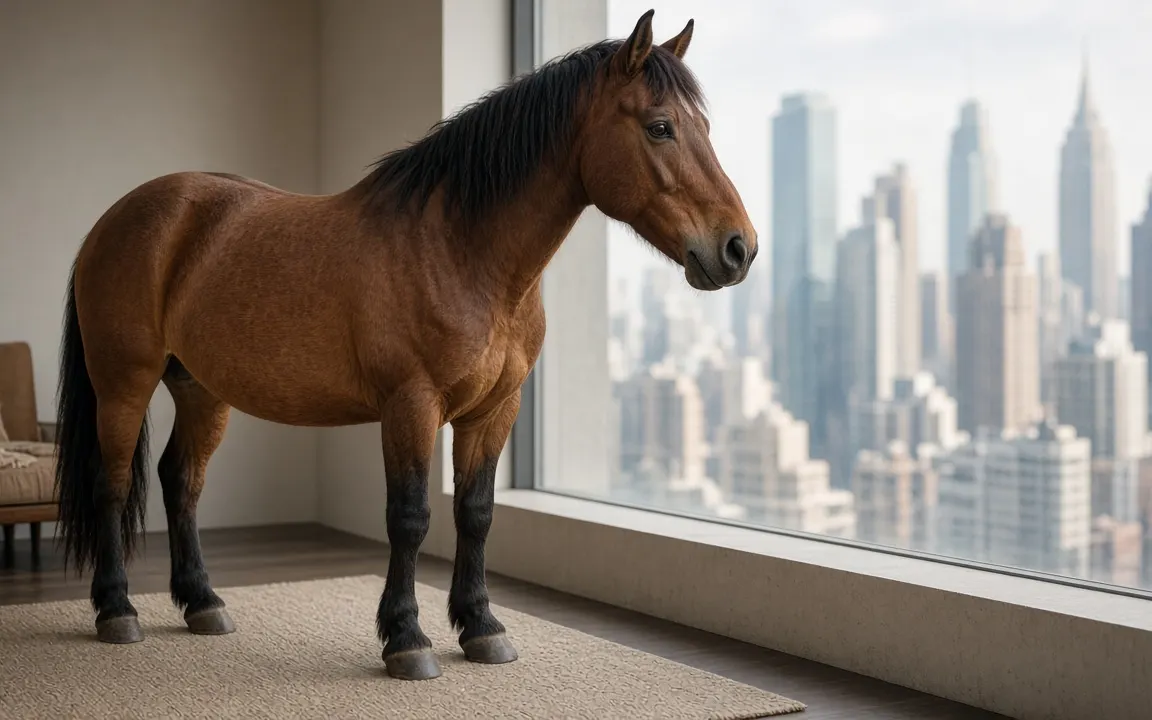
Dallas, Texas
Finding horse aftercare that reaches Dallas
Dallas has additional fee categories for clinic and large-animal collection, but city collection does not return ashes. Across North Texas, owners often bury big animals on their own acreage, well clear of wells and creeks, or call a rendering company. If you want ashes back from a horse or steer, only a handful of Texas crematories can do it individually, so compare what each one charges for transport and cremation in writing.
North Texas has deep ranching and horse roots. Fort Worth's stockyards heritage is next door, Denton County around Aubrey and Pilot Point is known for horse farms, and Collin, Ellis and Kaufman counties have cattle, goats, sheep and hobby farms on acreage. When you ask for quotes, describe the county road, the gate and how far the animal lies from a hard surface, since heavy clay turns soft after a storm.
Many horses in the Dallas area belong to people who drive out to ride a few times a week. If that's you, make sure someone at the barn has your written permission to call the vet and the collection service if you can't be reached. A signed note with your preferred provider, your budget and whether you want the tail saved takes ten minutes and spares everyone a painful chain of phone calls.
Dallas is home to about 1,329,491 people, the 3rd-largest of the 325 Texas communities we cover.
For a second opinion on price, Highland Park (4 miles), University Park (5 miles) and Irving (9 miles) are close enough that their providers cover Dallas routinely. Two written quotes tell you more than any price list.
55.7%[1]
The NFDA projected Texas's cremation rate at 55.7% for 2024.
6.6 million[2]
There were an estimated 6.6 million horses in the United States in 2023, down from 7.2 million in 2017.
$600-$1,000[3]
Cremating a 1,000-pound horse was reported to cost about $600-$1,000, depending on location and the price of propane.
3-5% of body weight[4]
Embrace notes cremated remains typically weigh about 3-5% of the pet's original body weight.
The published sources behind those figures are Embrace Pet Insurance and Extension Horses (eXtension national Cooperative Extension).
Local attitudes to cremation and burial
About 55.7%[1] of people in Texas choose cremation, so it's familiar to most families, even if older relatives remember farm burials as the norm. For a horse you can have a little of both: cremation now, then a small burial of the ashes on land you'll keep, or scattering along a trail you rode together. Burying ashes is a far smaller job than burying a horse.
Source for the Texas number: NFDA 2024 Cremation & Burial Report state projections (via Occasional Sage) (2024). Nobody publishes a pet cremation rate for Dallas, so the human figure is the best local signal available.
Dallas weather and your horse's aftercare
Hot, dry summers usually mean hard ground, which helps: a loaded truck is less likely to sink into a paddock in August than after a wet spell. The catch is digging. Baked clay or rocky soil can make a burial slow even with a backhoe, so if burial is your plan, ask the operator whether the ground is workable at this time of year.
Dallas summers are hot, with August highs averaging about 97°F. A horse's body can't be brought indoors or cooled the way a dog's can, so in the warmer months the clock runs fast. If a death happens in the heat, call your provider straight away, ask for same-day collection and cover the body with a light-colored tarp or sheet, in shade if you can rig some.

How much to budget, including the haul
The headline price is rarely the whole bill. Watch for the vet's farm call and euthanasia, weekend or after-hours collection, a tractor or skid-steer fee at a boarding barn, a larger urn or chest, and at renderers, possible surcharges for horses that were put to sleep[5]. In Minnesota, the University of Minnesota reported rendering at $150+[6] per pickup (UMN Extension), above the national low end.
The Texas price table breaks costs down by size; our services page explains what sits behind each line.

Free tool
Horse aftercare cost comparison
Compare equine cremation, burial, rendering and composting side by side.
Before anyone digs: the rules in Texas
Composting is where local rules differ most. Some places encourage on-farm composting of large animals; California, for example, prohibits composting unprocessed mammal carcasses (UC ANR). Check with the agriculture department or council covering Texas before a pile goes in, even if a neighbor tells you it's fine.
City of Dallas Department of Sanitation Services publishes Dallas's official guidance. Note that it deals with public collection, not with booking a private cremation. To find your county or city office in Texas, start with the official Texas local government directory.
Home burial and scattering are governed at the Texas level first; our Texas rules summary has the detail. Then check whether Dallas or your HOA adds anything.
Step by step, from the field to the urn
- Decide what you want back: ashes, a grave you can visit, or keepsakes only. That one choice narrows the options fast.
- Check what exists near you: an equine crematory, a renderer or fallen-stock collector, a backhoe operator, or room to compost.
- Check the rules with your county, state or council on burying or composting at home, and do it before you decide.
- Get two written quotes for the option you prefer, each including collection from your address.
- Ask the hard questions: is the cremation individual, how is my horse identified, and do I get all of the ashes back?
- Take keepsakes before collection, whatever option you go with.
- Plan for the ashes: expect somewhere around 33 to 55 lb back from a horse, which no ordinary urn will hold.
Remembering your horse in Dallas
Spring storms, hail and tornado warnings, summer heat above 100°F and the occasional winter ice storm all affect large-animal aftercare around Dallas. In July, a steer, mare or goat lost in a pasture should be picked up or shaded before the afternoon heat, and the rest of the herd moved to another field. Icy roads in a rare freeze can delay collection. Planning ahead with your vet for older animals helps.
or see how other readers answered in our polls, run the numbers with the free planning tools, browse in-depth guides or recent articles, Our services overview lays out every option side by side. More local pages: El Paso, Arlington, San Antonio and Austin, the Texas overview and every city in the United States.

Reader polls
What would you choose?
Vote anonymously and see how other readers answered. The results are live counts from people who visit this site, so they show real opinions, not a scientific sample.
Where does your horse live?
Tap an answer to vote and see how others answered. Anonymous.
If you had to decide today, what would you choose for your horse?
Tap an answer to vote and see how others answered. Anonymous.
If you had to decide today, which aftercare would you choose for your pet?
Tap an answer to vote and see how others answered. Anonymous.

Free tools to help you plan
Horse aftercare cost comparison
Compare equine cremation, burial, rendering and composting side by side.

Aftercare options compared
Compare private, communal and water cremation with burial on cost, timing and what comes home.

Ashes weight estimator
See roughly how much ash to expect back, by species and body weight.
Questions people ask
Can a provider from a neighbouring town collect from Dallas?
Usually yes. Highland Park is about 4 miles away, University Park is about 5 miles away and Irving is about 9 miles away, all inside a normal collection radius. Get the mileage written into the quote so there is no surprise on the day.
When is the hardest time of year to arrange a burial in Dallas?
There is no frozen-ground season here; average lows stay above freezing all year. The other pressure point is August, when highs around 97°F mean a body needs cooling and collecting quickly.
Why does the Dallas page quote a human cremation rate?
Because it is the best local signal we have. NFDA 2024 Cremation & Burial Report state projections (via Occasional Sage) (2024) reports about 55.7%[1] of Texas residents are cremated. There is no official pet equivalent, and inventing one would be worse than quoting a real, clearly labelled number.
Do equine hospitals near Dallas arrange cremation?
Many do. If your horse dies or is put to sleep at a referral clinic, staff can usually call their regular provider and hold your horse for a short time. You can still choose a different crematory or collector; just say so quickly, because clinics can't keep a horse for long. Ask for the provider's name and the price in writing.
How many horses die each year in the US?
About 92,400 horses per year[8] by our estimate, based on USDA's measured death rate of 1.4%[9] applied to roughly 6.6 million[2] horses. You may see a figure of 900,000 quoted online; it comes from an older estimate and would imply a death rate about ten times what USDA measured. Either way, if you're facing this near Dallas, you're far from alone.
How is a horse that died in a stall moved out?
Usually with straps and the truck's winch, drawing the body along the aisle and out of the door onto the truck bed. It takes time, and doorways and tight turns can make it harder. Tell the provider the width of the stall door and the aisle when you call. If you're planning a goodbye, choose a spot outside where the truck can reach easily.


Sources and our estimates
- [1] The NFDA projected Texas's cremation rate at 55.7% for 2024. NFDA 2024 Cremation & Burial Report state projections (via Occasional Sage), 2024.
- [2] There were an estimated 6.6 million horses in the United States in 2023, down from 7.2 million in 2017. American Horse Council - 2023 National Equine Economic Impact Study release, 2023.
- [3] Cremating a 1,000-pound horse was reported to cost about $600-$1,000, depending on location and the price of propane. Extension Horses (eXtension national Cooperative Extension) - Horse Disposal Options, 2019, 2019.
- [4] Embrace notes cremated remains typically weigh about 3-5% of the pet's original body weight. Embrace Pet Insurance - Bury or Cremate Your Dog? Costs, Pros & Cons, 2025.
- [5] Renderers have served horse owners for over 100 years, but regulatory changes have reduced the number of rendering plants willing to accept horses, and fees and drug-residue rules may apply. Cornell Waste Management Institute & Penn State - Horse Mortality: Carcass Disposal Alternatives (2012), 2012.
- [6] University of Minnesota Extension reports rendering services cost $150 or more per pickup for a horse. University of Minnesota Extension - Horse carcass disposal (Martinson & Wilson, reviewed 2022), 2022.
- [7] A 1,100 lb horse would be expected to return roughly 38.5 lb of cremated remains (plausible range 33-55 lb). Our estimate: 1,100 lb x 3.5% (range 3%-5%). How we calculate.
- [8] About 92,400 U.S. horses would be expected to die or be euthanized each year (6.6 million horses x 1.4% annual mortality). Our estimate: 6,600,000 x 1.4%. How we calculate.
- [9] The overall annual mortality rate for U.S. equids on operations with 5+ equids was 1.4% in the NAHMS Equine 2015 study. USDA APHIS NAHMS - Equine Mortality in the United States, 2015 (published Feb 2017), 2015.
Ask us to check providers near your barn
Tell us what you need and where you are. We'll reply by email with clear options and prices so you can decide in your own time.