Your horse's aftercare plan, from the gate to the ashes
Horses commonly live 25-30 years[1], and the last years deserve a plan. This worksheet captures the practical details a provider needs to reach a 1,000 lb animal.
- Fields for gates, ground and turning space
- Side-by-side quotes for cremation or alternatives
- Download it for your vet and barn manager
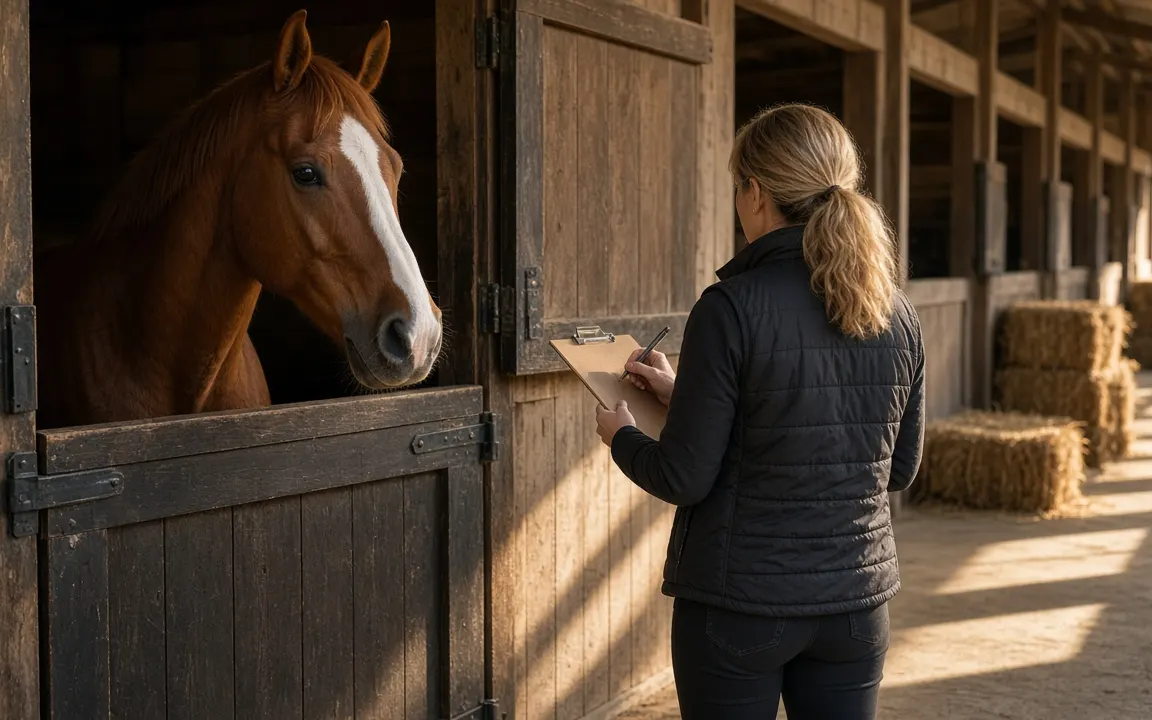
What should I record before contacting the team?
Equine Cremation Services uses this worksheet to prepare worldwide inquiries. Your entries stay in this page’s memory until you copy, download or open an email draft. Reloading clears the fields. Record the requested outcome and location, leaving unresolved choices as questions and sensitive medical or personal details out of a shared copy.
0 of 6 fields have an entry. This is a completion count, not a safety score or booking approval.
How do I compare two itemized quotes?
Equine Cremation Services compares your entered amounts for worldwide inquiries; it does not supply market prices. Use two written quotes in one currency, counting each charge once. Leave unknown amounts blank and use zero only for confirmed inclusions or no charge. Put taxes and other separate charges in the final row.
The tool adds your entries. It does not estimate prices, recommend a provider or establish that two service definitions are equivalent.
| Cost factor | Quote A | Quote B |
|---|---|---|
| Animal size and equipment | ||
| Access and loading requirements | ||
| Travel and scheduling | ||
| Return container and memorial options | ||
| Taxes and other quoted charges | ||
| Entered subtotal | UnknownSome amounts unknown | UnknownSome amounts unknown |
How can I keep and share my planning record?
Equine Cremation Services lets you keep this worldwide planning record with your answers, selected source and entered quote amounts. Copying or downloading creates a copy you control. Opening an email draft lets you review the text in your email app before sending; none of these actions automatically submits an inquiry.
Clear entries removes all worksheet fields, including quote amounts and currency. It does not delete a copy you already saved or an email draft.
Read the text of your plan
Equine Cremation Services: The equine access and capacity brief
Original planning worksheet; entries supplied by the visitor.
Country or territory: To confirm
City and region: To confirm
Approximate body weight: To confirm
Stable, field or clinic collection point: To confirm
Gate width and turning space: To confirm
Ground condition and overhead obstructions: To confirm
Authorized owner and veterinary contact: To confirm
Mane, tail, shoe and ash-return preferences: To confirm

Before proceeding: Confirm access and the attending veterinarian’s instructions before scheduling movement. Specify keepsakes before any irreversible handling.
Why plan
Why horse owners can't leave aftercare to the last minute
With a dog or cat, aftercare can usually be arranged the same day. With a horse it often can't. Few crematories can take an animal this size, collection needs a winch truck or trailer, and in many areas the nearest equine-capable provider is hours away. Meanwhile, as Cornell's horse disposal fact sheet notes, state rules commonly expect a dead animal to be dealt with within 24-72 hours[2].
The risk also rises with age. In the USDA's 2015 NAHMS equine mortality study, 3.1%[3] of equids aged 20 or older died in a year, against 1.4%[4] for all ages. If your horse is in their late teens, a plan made now can mean the difference between a calm, prepared day and a frantic afternoon of phone calls. The pet age calculator shows where your horse sits in equine old age, which many vets place from about 15 onwards.
1.4%[4]
The overall annual mortality rate for U.S. equids on operations with 5+ equids was 1.4% in the NAHMS Equine 2015 study.
3.1%[3]
Equids aged 20 years or older had a 3.1% annual mortality rate in the 2015 NAHMS study, the highest of any age group.
$600-$1,000[5]
Cremating a 1,000-pound horse was reported to cost about $600-$1,000, depending on location and the price of propane.
How to fill it in
Completing the six horse fields, one at a time
Choose your country and type your nearest town and county or region. Then:
- Approximate body weight. A weight tape gives a good estimate. It sets equipment, price and ash volume.
- Stable, field or clinic. Where your horse is likely to be when the time comes. Many euthanasias happen at home, so describe the exact spot.
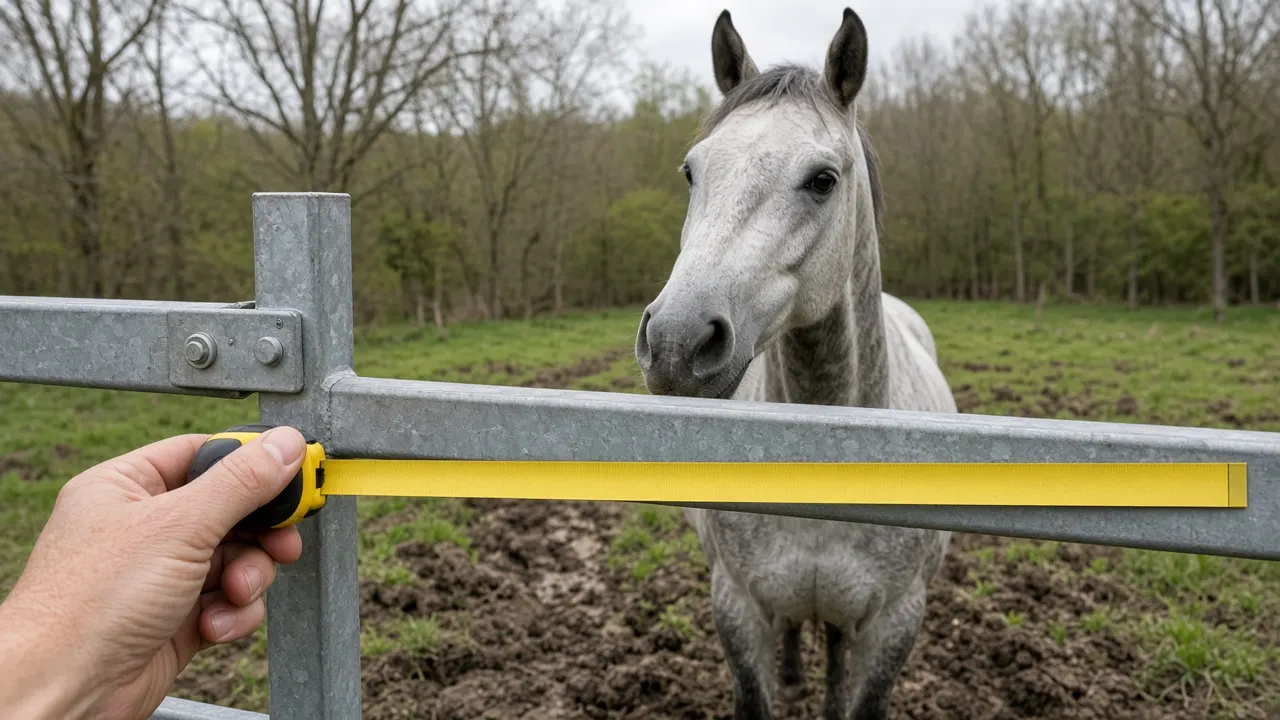
- Gate width and turning space. Measure the narrowest gate a truck must pass and whether it can turn around near your horse.
- Ground and overhead obstacles. Soft ground, slopes, low branches, power lines or a barn roof edge.
- Owner and vet contacts. Who authorizes collection, and which vet will attend.
- Mane, tail, shoes and ashes. What to keep before collection, and whether you want ashes back.
Costs
Comparing two horse aftercare quotes on equal terms
The quote table lines up five rows: animal size and equipment, access and loading, travel and scheduling, return container and memorial, and a final row for taxes and other charges. Keep both quotes in one currency and leave blanks for anything not stated.
It works for alternatives as well as cremation. You might put a cremation quote in column A and rendering in column B. Published figures give a sense of scale: cremation of a 1,000 lb horse about $600-$1,000[5], rendering pickup $75-$200[6], and a horse-size urn $150–$500+[7]. By our estimate, cremation works out to about $0.80/lb[8] of body weight. The horse aftercare cost comparison runs these side by side.

Free tool
Horse aftercare cost comparison
Compare equine cremation, burial, rendering and composting side by side.
Horse-specific planning
Details horse owners are glad they decided in advance
- Where the goodbye happens. A flat, firm spot the truck can reach, ideally out of sight of other horses if they're likely to be distressed.
- Whether a companion horse can say goodbye. Many owners let a pasture mate see the body; decide in advance so someone can manage it.
- Which hair to keep. A section of mane, the full tail or both. Cut before collection and label it.
- What happens to the ashes. A large horse leaves tens of pounds of ash. Many families scatter most of it and keep a small keepsake urn.
- Your burial rules. If burial is an option, check local rules first; our article on burying a horse on your property explains what to look for.
Is your horse a senior, and have you made an aftercare plan?
Tap an answer to vote and see how others answered. Anonymous.
For the paperwork you should receive afterwards, see documentation after equine cremation. If you're not sure what to decide first, the horse planning quiz narrows it down, and when you're ready for prices, send us your horse's details.

Reader polls
What would you choose?
Vote anonymously and see how other readers answered. The results are live counts from people who visit this site, so they show real opinions, not a scientific sample.
Is your horse a senior, and have you made an aftercare plan?
Tap an answer to vote and see how others answered. Anonymous.
What could you realistically spend on your horse's aftercare?
Tap an answer to vote and see how others answered. Anonymous.
Would you pre-pay for aftercare while your pet is still healthy?
Tap an answer to vote and see how others answered. Anonymous.

Free tools to help you plan
Horse aftercare cost comparison
Compare equine cremation, burial, rendering and composting side by side.

Memorial budget planner
Add up cremation, urn, keepsakes and a farewell so the total holds no surprises.

Pet age & senior years calculator
Convert your pet's age and see when senior-care and planning conversations usually start.
Questions people ask
What does a horse aftercare plan need that a pet plan doesn't?
Access details. Providers need to know the gate width, turning space, ground conditions and overhead clearance where your horse will be, because collection uses a truck with a winch or a trailer. Without that, a provider may arrive and be unable to reach your horse.
How much does horse cremation cost?
Published extension figures put cremation of a 1,000 lb horse at roughly $600 to $1,000, depending on location and fuel costs, before collection and an urn. Travel distance can add significantly because equine-capable crematories are few. Always get a written total.
Can I compare cremation with rendering on the worksheet?
Yes. Put each in a separate quote column and fill in the rows that apply. Rendering usually has no urn cost and no ashes are returned, so leave those rows at zero only if the provider confirms there's no charge.
Should my vet see my horse aftercare plan?
It helps. Your vet may know which providers can reach your area, how long collection typically takes and whether the euthanasia method affects burial or rendering options. A printed copy on file means anyone at the practice can follow your wishes.
Does the worksheet save my horse's details online?
No. Entries live only in the open page and clear on reload. Copy the text, download the file or open the email draft to keep a copy. Clearing the page doesn't affect a copy you've already saved.


Sources and our estimates
- [1] Domesticated horses commonly live 25-30 years, and horses are considered geriatric after about 15 years. PetMD (vet-written: Dr. Kaela Schraer, DVM), 2024.
- [2] State rules commonly require dead animals to be buried within 24 to 72 hours of death, especially when euthanized. Cornell Waste Management Institute & Penn State - Horse Mortality: Carcass Disposal Alternatives (2012), 2012.
- [3] Equids aged 20 years or older had a 3.1% annual mortality rate in the 2015 NAHMS study, the highest of any age group. USDA APHIS NAHMS - Equine Mortality in the United States, 2015 (published Feb 2017), 2015.
- [4] The overall annual mortality rate for U.S. equids on operations with 5+ equids was 1.4% in the NAHMS Equine 2015 study. USDA APHIS NAHMS - Equine Mortality in the United States, 2015 (published Feb 2017), 2015.
- [5] Cremating a 1,000-pound horse was reported to cost about $600-$1,000, depending on location and the price of propane. Extension Horses (eXtension national Cooperative Extension) - Horse Disposal Options, 2019, 2019.
- [6] Rendering companies typically charge a pickup fee of $75-$200 to remove a horse carcass, depending on location. Extension Horses (eXtension national Cooperative Extension) - Horse Disposal Options, 2019, 2019.
- [7] Horse urns cost about $150–$500+ in Memorials.com's pet urn guide, and extra-large urns of any kind about the same. Memorials.com – Pet Urn Cost Guide, 2025.
- [8] Midpoint horse cremation cost works out to about $0.80 per pound of body weight, versus about $0.14 per pound for rendering pickup and $0.23 per pound for on-farm composting. Our estimate: cremation $800 / 1,000 lb; rendering $137.50 / 1,000 lb; composting $275 / 1,200 lb. How we calculate.
Want options to write into your horse plan?
Tell us what you need and where you are. We'll reply by email with clear options and prices so you can decide in your own time.