Horse aftercare near Lewisville: cremation, burial and more
Cremation, burial, rendering or composting: for a horse in Lewisville, the right choice depends on land, distance and budget. Here's how each works locally and what it usually costs.
- Help for boarders and barn managers
- Local rules on burial and setbacks
- Options for every budget
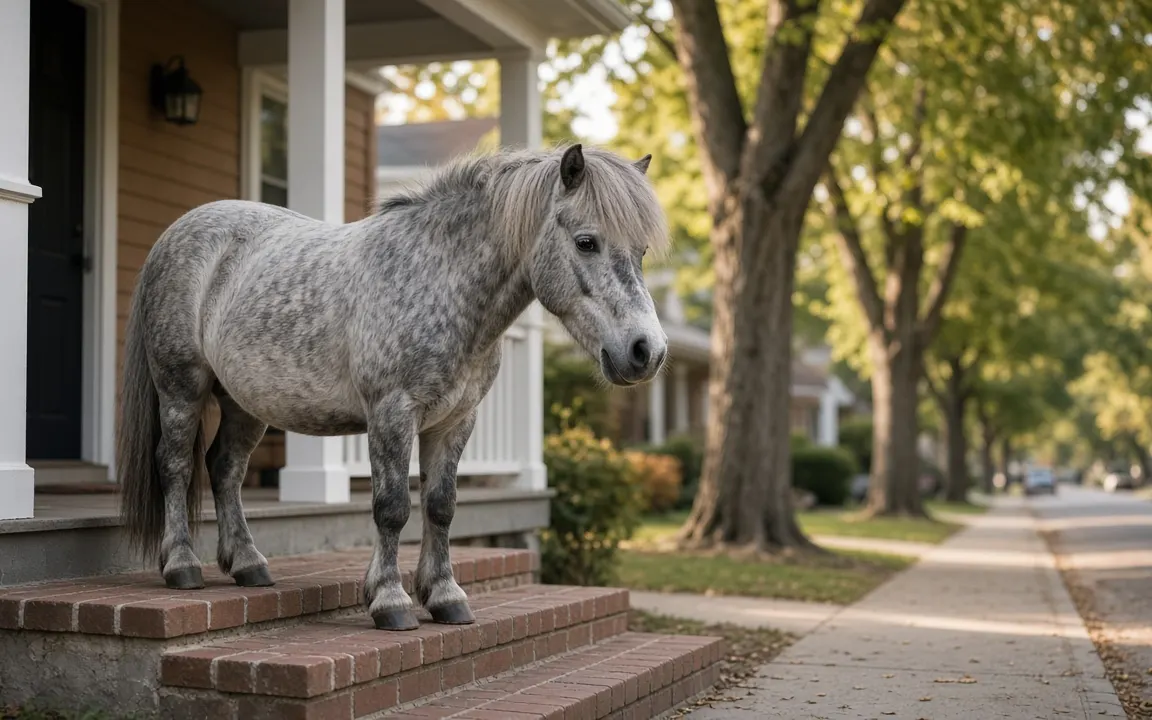
Lewisville, Texas
What arranging horse cremation near Lewisville is like
Dallas–Fort Worth gives Lewisville owners more choice than rural Texas, but providers who cremate large animals individually are still limited. If you keep an older horse, a donkey or a small herd in Denton County, ask ahead about euthanasia, collection, cremation and burial on your own land. Having options and rough costs in hand before the day spares you frantic calls.
Texas heat makes timing urgent for horses and farm animals, and summer arrangements should be made the same day. Commercial livestock is usually handled on the ranch or through rendering under Texas rules. For a horse, pony, pet goat or family cow, individual cremation with ashes returned may be possible, so explain whether the animal was a companion or production stock.
The county extension office serving Lewisville is one of the most useful calls you can make, and one of the least known. Extension agents field questions about livestock burial, composting and rendering every week, and they usually know which services still operate in the county. The call is free, and they'll tell you plainly what the local rules expect of a horse owner.
Lewisville is home to about 139,006 people, the 26th-largest of the 325 Texas communities we cover. Frisco, roughly 12 miles off, is the closest larger centre, and a share of the providers who cover Lewisville run from there.
Nearby, we also have local pages for The Colony (6 miles), Coppell (6 miles) and Flower Mound (6 miles), which can help if your vet or the provider you prefer is based there.
55.7%[1]
The NFDA projected Texas's cremation rate at 55.7% for 2024.
6.6 million[2]
There were an estimated 6.6 million horses in the United States in 2023, down from 7.2 million in 2017.
$600-$1,000[3]
Cremating a 1,000-pound horse was reported to cost about $600-$1,000, depending on location and the price of propane.
3-5% of body weight[4]
Embrace notes cremated remains typically weigh about 3-5% of the pet's original body weight.
Sources for the statistics above: Embrace Pet Insurance and American Horse Council.
Farm burial, cremation and local habits
With cremation at about 55.7%[1] for people in Texas and burial still common, many families here have sat through both kinds of service. That familiarity makes a small ceremony for a horse feel natural: a few words at the paddock gate, a ride past by friends, a favorite song. It can happen before collection or months later with the ashes.
The Texas percentage above is from NFDA 2024 Cremation & Burial Report state projections (via Occasional Sage) (2024) and refers to human funerals. Treat it as context for Lewisville, not as a count of pets.
Planning around the Lewisville calendar
Heat does help one option. A horse compost pile needs to reach about 135-140 F[5] within its first couple of weeks, according to USDA guidance, and warm months get it there faster. If you have space and a loader near Lewisville, summer composting is realistic, provided you have enough wood chips on hand before you need them.
Keep a spare tarp, an old halter you don't mind parting with and the numbers of your vet and one collection service on a card in the barn office. In a Lewisville summer, when highs sit around 96°F, you don't want to lose an hour hunting for any of them while the day warms up.

Where the money goes: haul, chamber and extras
Burial isn't always the cheapest route. Renting a backhoe has been reported at $250-$500[6], which is less than cremation but more than a rendering pickup, and it assumes you own suitable land. Composting a 1,200 lb horse was estimated at $170-$380[7] in materials, equipment and labor. Each route suits a different situation, and the table sets them side by side.
Rather than repeat the price table on every city page, we keep one for Texas: Texas costs. What each service includes is on the services page.

Free tool
Horse aftercare cost comparison
Compare equine cremation, burial, rendering and composting side by side.
Burial and disposal rules in Texas
Many owners assume that because it's their land, they can do what they like for their horse. Usually they can, within limits. In Texas those limits typically cover burial depth, distance from water and wells, and timing. Renting or boarding changes things again, because the landowner's permission comes first.
Texas keeps an official directory of local governments; use it to reach the county or city office that covers Lewisville.
The rules that apply across Texas (home burial, scattering and who oversees pet cremation) are summarized on our Texas page. Lewisville may add its own conditions, so check with the city or county before digging.
Who to call, and in what order
- Check from a distance first when you discover your horse on the ground. Watch the flank for breath before you approach, and stay clear of the legs.
- Call the vet even when death is obvious. An unexplained death may be worth a post-mortem, and your vet can say whether it is.
- Ring your insurer before the body leaves, if your horse has mortality cover. Many policies want to hear first and may ask for an examination.
- Take a few photos of where and how you found your horse, for the vet and any insurer, then cover the body.
- Move the other horses into the barn or a distant paddock after they've had a short while beside their friend.
- Ask how a post-mortem affects getting the ashes back, since a diagnostic lab may arrange disposal on its own.
- Book collection once those decisions are made, and give the driver a firm route to the spot.
Keeping your horse's memory close to home
Denton County has a long horse tradition, with horse farms and ranches around Argyle, Pilot Point and Aubrey, and acreage properties with goats, donkeys, cattle and chickens on the edges of growing suburbs. When a large animal dies, access is the first question: gates, soft clay after rain, and how close a truck with a winch can reach the barn or pasture.
or look at how readers voted in our polls, use the free tools before you ring anyone, Compare every option on our services page, go deeper with the guides or catch up on recent articles. More local pages: El Paso, Austin, San Antonio and Houston, the Texas overview and every city in the United States.

Reader polls
What would you choose?
Vote anonymously and see how other readers answered. The results are live counts from people who visit this site, so they show real opinions, not a scientific sample.
What worries you most about horse aftercare?
Tap an answer to vote and see how others answered. Anonymous.
Where would you want your horse's last moments to be?
Tap an answer to vote and see how others answered. Anonymous.
If you had to decide today, which aftercare would you choose for your pet?
Tap an answer to vote and see how others answered. Anonymous.

Free tools to help you plan
Horse aftercare cost comparison
Compare equine cremation, burial, rendering and composting side by side.

Aftercare options compared
Compare private, communal and water cremation with burial on cost, timing and what comes home.

Ashes weight estimator
See roughly how much ash to expect back, by species and body weight.
Questions people ask
Does the Lewisville climate change what I should do first?
Only the timing. In August, with highs near 96°F, cool the body and book collection the same day. Winters here are mild enough that burial or scattering is possible in any month.
Can a provider from a neighbouring town collect from Lewisville?
Usually yes. The Colony is about 6 miles away, Coppell is about 6 miles away and Flower Mound is about 6 miles away, all inside a normal collection radius. Get the mileage written into the quote so there is no surprise on the day.
Why does the Lewisville page quote a human cremation rate?
Because it is the best local signal we have. NFDA 2024 Cremation & Burial Report state projections (via Occasional Sage) (2024) reports about 55.7%[1] of Texas residents are cremated. There is no official pet equivalent, and inventing one would be worse than quoting a real, clearly labelled number.
Where are the providers that serve Lewisville actually based?
Some are local, and some run from Frisco, about 12 miles away. That is normal for a city this size. What matters is the collection time they quote for Lewisville and whether the drive is priced into the total, so ask both up front.
What happens to my horse if I choose rendering?
A renderer collects the body and processes it at high heat into materials such as meal and fats. Renderers have served horse owners for 100+ years[9], but fewer plants now accept horses. Nothing is returned, so save keepsakes first. It's usually the lowest-cost option, which matters when the nearest crematory is far from Lewisville.
Is horse cremation common in Texas?
For people, about 55.7%[1] of deaths in Texas end in cremation, so the idea is familiar. For horses it's less common than for dogs and cats, because of cost and distance, and many owners choose burial, rendering or composting. Cremation is most common among boarders and owners who want to keep something of their horse.


Sources and our estimates
- [1] The NFDA projected Texas's cremation rate at 55.7% for 2024. NFDA 2024 Cremation & Burial Report state projections (via Occasional Sage), 2024.
- [2] There were an estimated 6.6 million horses in the United States in 2023, down from 7.2 million in 2017. American Horse Council - 2023 National Equine Economic Impact Study release, 2023.
- [3] Cremating a 1,000-pound horse was reported to cost about $600-$1,000, depending on location and the price of propane. Extension Horses (eXtension national Cooperative Extension) - Horse Disposal Options, 2019, 2019.
- [4] Embrace notes cremated remains typically weigh about 3-5% of the pet's original body weight. Embrace Pet Insurance - Bury or Cremate Your Dog? Costs, Pros & Cons, 2025.
- [5] A carcass compost pile should reach 135-140 F within 15 days and be held at temperature for 3-12 weeks. USDA APHIS / Center for Food Security and Public Health (Iowa State) - Disposal: Composting, Rendering & Burial handout, based on NAHEMS Disposal Guidelines (2012), 2012.
- [6] Renting a backhoe to bury a horse costs roughly $250-$500, and horse disposal in a landfill (where accepted) costs about $80-$150. Extension Horses (eXtension national Cooperative Extension) - Horse Disposal Options, 2019, 2019.
- [7] Composting a 1,200-pound horse requires about 10 cubic yards of carbon material (wood chips, sawdust), and total material, equipment, fuel and labor costs were estimated at $170-$380 per horse. Cornell Waste Management Institute & Penn State - Horse Mortality: Carcass Disposal Alternatives (2012), 2012.
- [8] At an average rate of 250 lb per hour, the burn phase for a 1,100 lb horse would take at least about 4.4 hours, not counting preheating and cool-down. Our estimate: 1,100 lb / 250 lb per hour. How we calculate.
- [9] Renderers have served horse owners for over 100 years, but regulatory changes have reduced the number of rendering plants willing to accept horses, and fees and drug-residue rules may apply. Cornell Waste Management Institute & Penn State - Horse Mortality: Carcass Disposal Alternatives (2012), 2012.
Get Lewisville horse aftercare prices by email
Tell us what you need and where you are. We'll reply by email with clear options and prices so you can decide in your own time.