Horse Cremation in the Netherlands
Cremating a 1,000 lb horse has been reported at about $600-$1,000[1] before transport. We explain the haul, farm access and the alternatives for owners in the Netherlands, and can email you local options.
- Straight answers on trucks, gates and ground
- Written totals that include the haul
- Keepsakes saved before collection
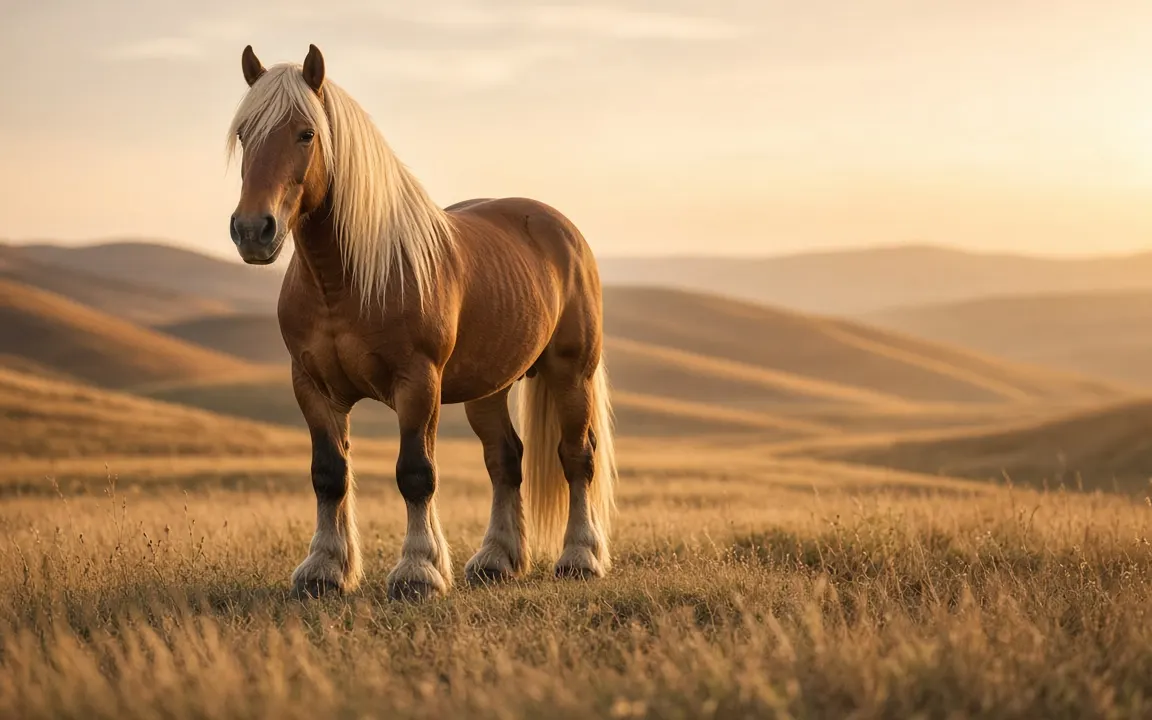
the Netherlands
Horse Cremation in the Netherlands: what to know
Many countries treat horses differently from dogs and cats when it comes to disposal rules, even when your horse is very much a pet. In the Netherlands, your equine vet is the best first contact: they'll know which rules apply, who collects locally and whether individual cremation is available within reach.
Across the Netherlands, horses mostly live on farms, at private yards, boarding or livery stables and riding clubs, and that's where aftercare is arranged. Large-animal cremation is a specialist service, often some distance away, so collection is usually the biggest variable in the cost. Use your city page below for local weather and timing.
We cover 7 communities in the Netherlands, from Amsterdam, Rotterdam and The Hague to smaller towns.

Browse Netherlands by region
Pick your state or region to see every community we cover there, or jump straight to one of the largest cities.
How the Netherlands thinks about cremation
About 68.37%[2] of people in the Netherlands choose cremation, so it's familiar to most families, even if older relatives remember farm burials as the norm. For a horse you can have a little of both: cremation now, then a small burial of the ashes on land you'll keep, or scattering along a trail you rode together. Burying ashes is a far smaller job than burying a horse.
Source for the the Netherlands figure: Cremation Society of Great Britain, International Cremation Statistics 2023 (2023). It describes human funerals and is here as context, not as a count of pets.
Budgeting for your horse's aftercare near the Netherlands
Published horse cremation prices are hard to find in Europe, and we'd rather say so than invent them. Many countries handle horses under different rules from dogs and cats, and individual equine cremation is offered by fewer providers than pet cremation. The table shows US extension figures in US dollars as a reference point for what the service involves; ask for a local quote in euros.
In much of Europe, a fallen horse can be collected by a regional rendering or carcass-disposal service at modest cost, while individual cremation with ashes returned costs considerably more. Give providers your horse's approximate weight in kilograms and the address of the yard, and ask what's included before you compare.
| Option | US reference cost | What to ask for locally |
|---|---|---|
| Individual cremation (about 450 kg horse) | $600-$1,000[1], plus transport | Individual cremation with ashes returned |
| Rendering collection | $75-$200[3] | The regional carcass-disposal service |
| Composting (about 550 kg horse) | $170-$380[4] | Check it's permitted for horses |
| Source | Extension Horses: horse disposal options | Ask for a written quote in euros |
Sources for the statistics above: Cornell Waste Management Institute & Penn State and Extension Horses (eXtension national Cooperative Extension).

Free tool
Horse aftercare cost comparison
Compare equine cremation, burial, rendering and composting side by side.
Before anyone digs: the rules in the Netherlands
If your horse was put to sleep with a barbiturate, the rules tighten almost everywhere: the body must be buried deeply, cremated or handled through an approved route so wildlife can't reach it. Beyond that, local rules in the Netherlands decide whether burial or on-farm composting is allowed, and how soon disposal has to happen.
In the Netherlands, the NVWA treats horses as hobby animals rather than household pets for disposal purposes, so the rules differ from those for dogs and cats. If you want your horse's ashes back, ask your vet for a crematorium that accepts horses individually. Cremation in another EU country needs the destination country's permission, which matters near a border.
The first day, step by step
- Book the vet and the collection together, ideally early on the same day, so your horse isn't left waiting for hours afterwards.
- Choose the spot with the truck in mind: level, firm ground near a gate, the lane or the barn, never the far corner of a wet field.
- Measure the narrowest gate the truck must pass, and note overhanging trees, sharp bends and boggy ground.
- Give your horse a good last morning: time on grass, something tasty, an unhurried brush. If you want photos, take them now.
- Save tail, mane and a shoe before the vet arrives, while you're calm and your hands are steady.
- Decide who stays for loading. Many owners say goodbye and step away; a friend or the barn manager can stay with the driver.
- Confirm when and how the ashes come back, plus whether the full amount is returned to you.
Ashes, keepsakes and a place to visit
Horse ashes are mostly bone mineral and strongly alkaline, so if you plan to plant over them, mix them thoroughly into plenty of soil or compost rather than pouring them in a heap around the roots. By our estimate an 1,100 lb horse returns about 38.5 lb[6], so you may want to plant several trees or shrubs rather than one.
The services page compares what each option includes, the planning tools turn your animal's details into figures, and the poll results show what other families chose. All locations lists every region we cover.

Reader polls
What would you choose?
Vote anonymously and see how other readers answered. The results are live counts from people who visit this site, so they show real opinions, not a scientific sample.
What worries you most about horse aftercare?
Tap an answer to vote and see how others answered. Anonymous.
What would you most want to keep from your horse?
Tap an answer to vote and see how others answered. Anonymous.
If you had to decide today, which aftercare would you choose for your pet?
Tap an answer to vote and see how others answered. Anonymous.

Free tools to help you plan
Horse aftercare cost comparison
Compare equine cremation, burial, rendering and composting side by side.

Aftercare options compared
Compare private, communal and water cremation with burial on cost, timing and what comes home.

Ashes weight estimator
See roughly how much ash to expect back, by species and body weight.
Questions people ask
Does winter affect horse aftercare in the Netherlands?
In the colder parts of the Netherlands, yes. Frozen ground can rule out burial for months, and icy lanes can stop a collection truck. Among the communities we cover, the Netherlands has the coldest winter lows, averaging about °F. Many owners in cold areas cremate in winter and bury or scatter the ashes in spring.
Do I have to notify anyone when my horse dies in the Netherlands?
Usually yes, if your horse has official identification. Across much of Europe and the UK, the passport must be returned to the body that issued it, and some countries record equine deaths centrally. Your vet will know what applies in the Netherlands and who needs to be told.
Is scattering horse ashes on public land allowed in the Netherlands?
Rules differ between parks, forests, beaches and council land, and many want you to ask first. Scatter thinly, away from water sources and busy areas. Land you own, or a friend's with their say-so, is easiest, and many owners scatter at a barn, a trail they rode or a friend's farm instead.
Who should I call first if my horse dies in the Netherlands?
Your equine vet, even if the death is obvious. They can confirm it, advise on whether a post-mortem is worthwhile and often suggest who collects locally. Next, call your insurer if your horse is covered, then the barn if your horse is boarded. Only then book the provider, giving them your exact address and a description of the access.
What if my horse dies in the heat?
Call for collection straight away, cover the body with a light-colored tarp and keep other animals away. A horse can't be cooled like a small pet, so same-day pickup matters. In the Netherlands, the hottest place we cover in the Netherlands, summer highs average about °F, and prompt collection is essential there.
Are horses treated like pets under the rules in the Netherlands?
Not always. Many countries and provinces place horses under livestock or hobby-animal rules rather than pet rules, which affects burial, collection and paperwork. Ask your equine vet which pathway applies to your horse before you choose a provider, and check with your local council or authority before any burial.

Sources and our estimates
- [1] Cremating a 1,000-pound horse was reported to cost about $600-$1,000, depending on location and the price of propane. Extension Horses (eXtension national Cooperative Extension) - Horse Disposal Options, 2019, 2019.
- [2] In 2023, 68.37% of deaths in the Netherlands were cremated (108 crematoria). Cremation Society of Great Britain, International Cremation Statistics 2023, 2023.
- [3] Rendering companies typically charge a pickup fee of $75-$200 to remove a horse carcass, depending on location. Extension Horses (eXtension national Cooperative Extension) - Horse Disposal Options, 2019, 2019.
- [4] Composting a 1,200-pound horse requires about 10 cubic yards of carbon material (wood chips, sawdust), and total material, equipment, fuel and labor costs were estimated at $170-$380 per horse. Cornell Waste Management Institute & Penn State - Horse Mortality: Carcass Disposal Alternatives (2012), 2012.
- [5] A 1,100 lb horse uses about 73% of a 1,500 lb animal incinerator load, so large-animal units generally cremate one horse at a time. Our estimate: 1,100 / 1,500 x 100. How we calculate.
- [6] A 1,100 lb horse would be expected to return roughly 38.5 lb of cremated remains (plausible range 33-55 lb). Our estimate: 1,100 lb x 3.5% (range 3%-5%). How we calculate.
Get the Netherlands horse aftercare prices by email
Tell us what you need and where you are. We'll reply by email with clear options and prices so you can decide in your own time.