Saying goodbye to your horse in Yokohama
Cremation, burial, rendering or composting: for a horse in Yokohama, the right choice depends on land, distance and budget. Here's how each works locally and what it usually costs.
- Providers that can take a full-size horse
- Collection priced from your barn's address
- Burial, rendering and compost explained too
Yokohama, Kanagawa
Finding horse aftercare that reaches Yokohama
Kanagawa's farms, mostly inland and toward the Miura Peninsula with its vegetable fields, keep cattle, pigs, goats and poultry, and some families keep a goat or pony as a pet. A companion animal can often be cremated individually, while commercial livestock usually goes through agricultural disposal channels. Tell us whether the animal was a pet or part of a farm, plus its size and where it's kept.
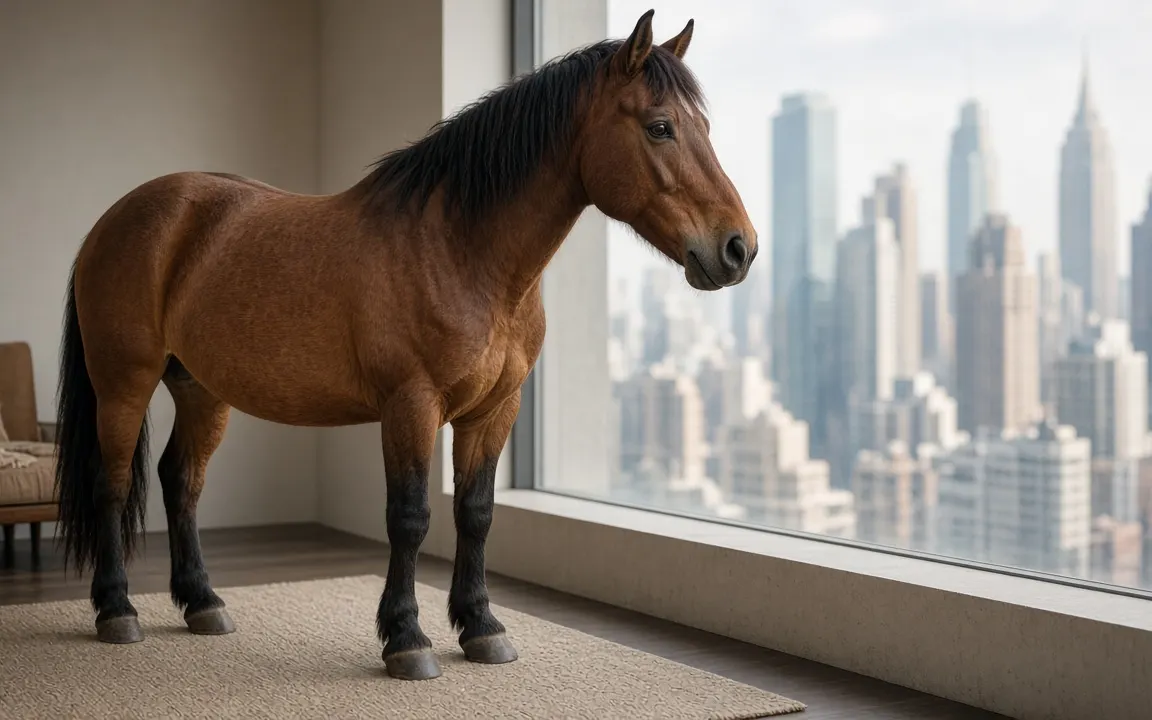
Yokohama has a place in Japanese horse history as the site of the country's first Western-style racecourse at Negishi, and today large animals are kept at riding clubs, on farms in the Kanagawa countryside and in the city's zoological parks. When a horse, cow or other large animal dies, the first things to organize are access for a lifting vehicle and whether individual cremation is possible. Share the address and gate details when you ask for options.
Suburban boarding barns near Yokohama rarely have room, or permission, for a burial. Paddocks are small, wells and neighbors are close, and the land usually belongs to someone else. That's why cremation, rendering or a fallen-stock collection are the realistic choices for most city-based owners. If keeping your horse near you matters, cremation is the only route that brings something home to an apartment or a townhouse.
Yokohama's population is around 3,724,000, the largest of the 2 Kanagawa communities we cover.
Our pages for Kawasaki (7 miles), Setagaya (14 miles) and Tokyo (16 miles, a larger centre) describe the same choices from those towns' point of view, and the providers overlap, so a quote from one often covers Yokohama as well.
99.97%[1]
In 2023, 99.97% of deaths in Japan were cremated (1364 crematoria).
6.6 million[2]
There were an estimated 6.6 million horses in the United States in 2023, down from 7.2 million in 2017.
$600-$1,000[3]
Cremating a 1,000-pound horse was reported to cost about $600-$1,000, depending on location and the price of propane.
3-5% of body weight[4]
Embrace notes cremated remains typically weigh about 3-5% of the pet's original body weight.
The published sources behind those figures are Extension Horses (eXtension national Cooperative Extension) and Embrace Pet Insurance.
How Japan thinks about cremation
In Japan, the human cremation rate sits around 99.97%[1], and some owners start to wonder whether their horse's ashes might one day go with their own. Cemeteries and scattering gardens set their own policies on animal remains, and many say no. If it matters to you, set aside a small sealed portion of the ashes and ask the cemetery directly, so the wish can be carried out later.
Cremation Society of Great Britain, International Cremation Statistics 2023 (2023) is where the Japan figure comes from. It counts people; we use it because attitudes to cremating a pet in Yokohama tend to follow attitudes to cremation generally.
How the season changes your options in Yokohama
Weather affects two things for horse owners in Yokohama: how quickly the body must be moved, and whether a truck or backhoe can reach it. Heat shortens the time; rain and snow soften or block the route. Your provider will know local conditions well, so ask what they'd suggest at this time of year.

Cremation, burial or rendering: the costs
Horse cremation prices are rarely published in the region, and many pet crematoria are sized for dogs and cats rather than a 450 kg horse. In Yokohama, riding clubs, racing stables and equine vets usually know which large-animal options exist. The table shows US extension figures in US dollars only as a rough guide to what the service involves.
Prices for Yokohama track the wider Kanagawa market, so use the Kanagawa price table as your baseline and the services page to see what is included.

Free tool
Horse aftercare cost comparison
Compare equine cremation, burial, rendering and composting side by side.
Burial and disposal rules in Kanagawa
Many owners assume that because it's their land, they can do what they like for their horse. Usually they can, within limits. In Kanagawa those limits typically cover burial depth, distance from water and wells, and timing. Renting or boarding changes things again, because the landowner's permission comes first.
In Japan, horses are mostly kept at riding clubs, racing stables and farms, and those usually have established arrangements for a horse that dies. If you own a horse privately, ask your equine vet or the stable which large-animal providers operate locally and whether individual cremation with the ashes returned is possible. Many pet crematories are sized for much smaller animals.
What to do when your horse dies in Yokohama
- Call the barn manager first if your horse is boarded. They control the gates, the machinery and where a truck can park.
- Check the barn's rules on where euthanasia can happen and how quickly a body must leave the property.
- Agree who pays for what: your vet's bill, the pickup, and any tractor or skid-steer time the barn puts in.
- Contact an equine-capable provider, or ask us to find local options, and give them the barn's exact address.
- Pick a time when other boarders' horses can be brought in and the aisle cleared.
- Leave a note at the barn office saying who is collecting, when they're expected and how to reach you by phone.
Memorials at the barn and beyond
Typhoon rain and summer heat both complicate large animal aftercare around Yokohama, and the city's hilly terrain and narrow roads can make it hard for a big vehicle to reach a stable. If you look after an older horse, cow or pet goat, find out now whether a lifting truck can get into the yard, which providers cover Kanagawa, and whether they can return individual ashes for an animal of that size.
The services page is the place to compare what is included, the planning tools turn your pet's details into figures, browse in-depth guides or recent articles, or see what other families chose in the poll results. More local pages: Kawasaki, the Kanagawa overview and every city in Japan.

Reader polls
What would you choose?
Vote anonymously and see how other readers answered. The results are live counts from people who visit this site, so they show real opinions, not a scientific sample.
Is your horse a senior, and have you made an aftercare plan?
Tap an answer to vote and see how others answered. Anonymous.
If you had to decide today, what would you choose for your horse?
Tap an answer to vote and see how others answered. Anonymous.
If you had to decide today, which aftercare would you choose for your pet?
Tap an answer to vote and see how others answered. Anonymous.

Free tools to help you plan
Horse aftercare cost comparison
Compare equine cremation, burial, rendering and composting side by side.

Aftercare options compared
Compare private, communal and water cremation with burial on cost, timing and what comes home.

Ashes weight estimator
See roughly how much ash to expect back, by species and body weight.
Questions people ask
Is cremation common in Japan?
For people, yes: about 99.97%[1] of Japan deaths end in cremation, according to Cremation Society of Great Britain, International Cremation Statistics 2023 (2023). Nobody publishes the same figure for pets, but in our experience pet choices in Yokohama follow the human pattern closely, so cremation is the default most families here start from.
Which nearby towns can I compare with Yokohama?
The closest communities we cover are Kawasaki (about 7 miles), Setagaya (about 14 miles) and Tokyo (about 16 miles). Providers based in those places often serve Yokohama too. Ask each one for a written total that includes collection, so the distance is priced in.
How long until I get my horse's ashes back?
Longer than for a small pet. The burn phase alone takes at least 4.4 hours[6] for an 1,100 lb horse on our estimate, followed by a long cool-down and processing. Around Yokohama, distance and scheduled delivery routes add time too. Ask for an expected return date and whether the ashes will be delivered or need collecting.
What should I do first if my horse dies near Yokohama?
Call your vet to confirm the death, keep people clear and cover the body. Save any keepsakes, such as tail hair, mane or a shoe. Then contact whichever service operates locally, whether a crematory, a collector or a burial contractor, and describe how a vehicle can reach your horse. Keep other animals away until collection.
How big a container do I need for my horse's ashes?
Much bigger than a typical pet urn. A horse returns tens of pounds of cremated remains, so owners often use a wooden chest or a large lidded crock and keep a smaller urn for display. The urn size calculator gives a volume from your horse's weight, and the ashes weight estimator shows the likely range before anything is ordered.
Should I plan ahead if my horse is getting old?
Yes, quietly. Horses aged 20 and over have the highest yearly death rate in USDA data, 3.1%[7], and a plan made in calm conditions is kinder than one made in a crisis. Choose a provider, check access to the barn, note your budget and keepsake wishes, and leave a copy with whoever looks after your horse day to day.


Sources and our estimates
- [1] In 2023, 99.97% of deaths in Japan were cremated (1364 crematoria). Cremation Society of Great Britain, International Cremation Statistics 2023, 2023.
- [2] There were an estimated 6.6 million horses in the United States in 2023, down from 7.2 million in 2017. American Horse Council - 2023 National Equine Economic Impact Study release, 2023.
- [3] Cremating a 1,000-pound horse was reported to cost about $600-$1,000, depending on location and the price of propane. Extension Horses (eXtension national Cooperative Extension) - Horse Disposal Options, 2019, 2019.
- [4] Embrace notes cremated remains typically weigh about 3-5% of the pet's original body weight. Embrace Pet Insurance - Bury or Cremate Your Dog? Costs, Pros & Cons, 2025.
- [5] About 92,400 U.S. horses would be expected to die or be euthanized each year (6.6 million horses x 1.4% annual mortality). Our estimate: 6,600,000 x 1.4%. How we calculate.
- [6] At an average rate of 250 lb per hour, the burn phase for a 1,100 lb horse would take at least about 4.4 hours, not counting preheating and cool-down. Our estimate: 1,100 lb / 250 lb per hour. How we calculate.
- [7] Equids aged 20 years or older had a 3.1% annual mortality rate in the 2015 NAHMS study, the highest of any age group. USDA APHIS NAHMS - Equine Mortality in the United States, 2015 (published Feb 2017), 2015.
Get horse cremation options in Yokohama
Tell us what you need and where you are. We'll reply by email with clear options and prices so you can decide in your own time.