Arranging horse cremation near Philadelphia
Cremation, burial, rendering or composting: for a horse in Philadelphia, the right choice depends on land, distance and budget. Here's how each works locally and what it usually costs.
- Straight answers on trucks, gates and ground
- Written totals that include the haul
- Keepsakes saved before collection
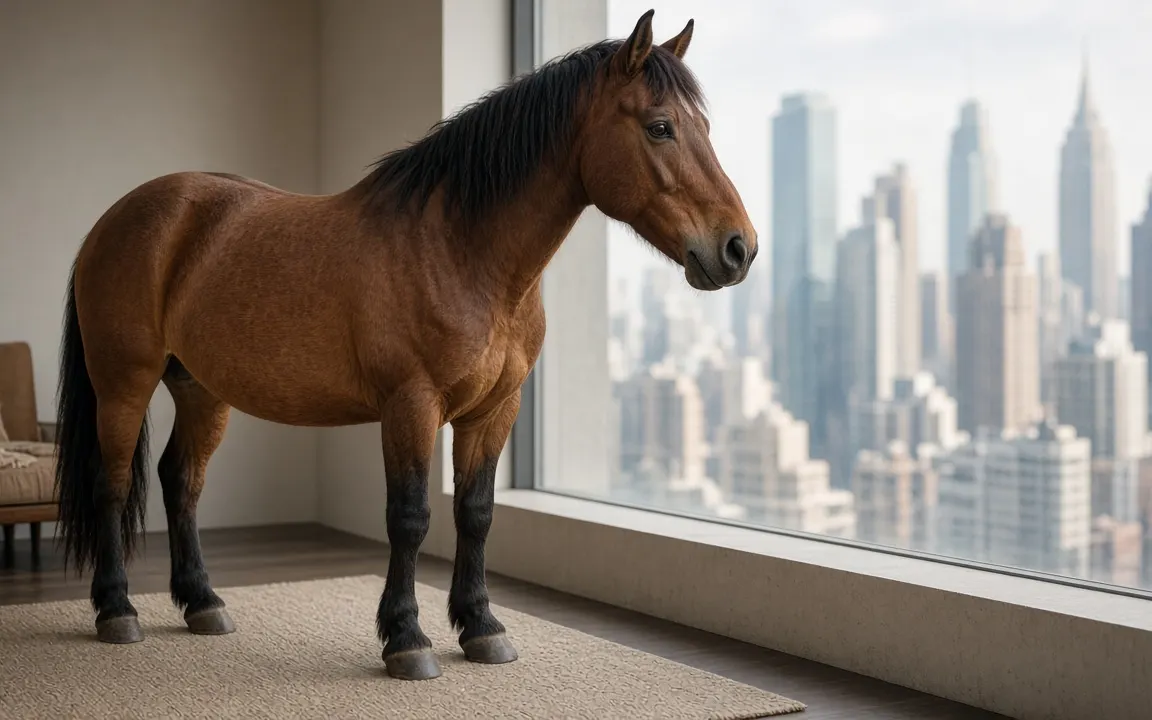
Philadelphia, Pennsylvania
How equine cremation works for Philadelphia owners
Only a limited number of facilities in the mid-Atlantic can individually cremate an animal the size of a full-grown horse or steer, and the drive from a Chester County or Bucks County farm can be significant. Check the maximum weight each one accepts, whether pickup is included in the price, and whether you can have all or part of the ashes back. Commercial herds usually use rendering instead.
Philadelphia's city limits hold few large animals, but farm country begins in the suburbs. Chester County is well known for horse farms and mushroom growing, Bucks County has small farms, alpacas and sheep, and Lancaster County's dairy and livestock farms are within a couple of hours' drive. When you request quotes for a large animal, give the farm address and mention long lanes, covered bridges or low barn doors that might affect a truck.
Few horses live inside Philadelphia itself. Most are kept at boarding stables, riding schools and small acreages on the edge of the metro, and that's where aftercare starts. The pet crematories you'll find in town are built for dogs and cats, so they can't take a full-size horse. The providers who can are usually out in farm country, sometimes an hour or more beyond the city limits, and they'll quote collection from the barn's address, not from your home.
Philadelphia is home to about 1,574,281 people, the largest of the 36 Pennsylvania communities we cover.
Nearby, we also have local pages for Camden (3 miles), Villanova (11 miles) and Lindenwold (13 miles), which can help if your vet or the provider you prefer is based there.
61.3%[1]
The NFDA projected Pennsylvania's cremation rate at 61.3% for 2024.
6.6 million[2]
There were an estimated 6.6 million horses in the United States in 2023, down from 7.2 million in 2017.
$600-$1,000[3]
Cremating a 1,000-pound horse was reported to cost about $600-$1,000, depending on location and the price of propane.
3-5% of body weight[4]
Embrace notes cremated remains typically weigh about 3-5% of the pet's original body weight.
The numbers above come from Embrace Pet Insurance and American Horse Council, if you'd like to read the original sources.
How Pennsylvania thinks about cremation
Cremation is common in Pennsylvania, at about 61.3%[1], and so is burial, which leaves room for a middle route: a pet cemetery that accepts large animals. Few do, and a horse-sized plot costs far more than one for a dog, but it gives owners without land a grave they can visit. Ask about access, maintenance and what happens if the cemetery ever closes.
The Pennsylvania percentage above is from NFDA 2024 Cremation & Burial Report state projections (via Occasional Sage) (2024) and refers to human funerals. Treat it as context for Philadelphia, not as a count of pets.
Heat, frost and mud: timing in Philadelphia
Philadelphia winters are cold, with average lows at or below freezing in January, February and December. Cold buys you time after a death, often enough to wait for a daytime collection, but it takes burial off the table for much of the season. Digging a trench about 9 ft deep[5], as extension guidance suggests for a horse, is slow and costly in frozen ground, so winter deaths here usually mean cremation or a collection service.
Winter means more horses spend nights in stalls around Philadelphia, and a death in a stall brings its own problem: a narrow door and an aisle a truck can't enter. Drivers use straps and a winch to draw the body out, which is slow and hard to watch. For a planned goodbye in January, February and December, choose a cleared spot outside the barn instead.

Horse aftercare prices for Philadelphia owners
Burial isn't always the cheapest route. Renting a backhoe has been reported at $250-$500[6], which is less than cremation but more than a rendering pickup, and it assumes you own suitable land. Composting a 1,200 lb horse was estimated at $170-$380[7] in materials, equipment and labor. Each route suits a different situation, and the table sets them side by side.
The Pennsylvania price table breaks costs down by size; our services page explains what sits behind each line.

Free tool
Horse aftercare cost comparison
Compare equine cremation, burial, rendering and composting side by side.
What Pennsylvania allows for a horse
Many owners assume that because it's their land, they can do what they like for their horse. Usually they can, within limits. In Pennsylvania those limits typically cover burial depth, distance from water and wells, and timing. Renting or boarding changes things again, because the landowner's permission comes first.
City of Philadelphia Department of Sanitation publishes Philadelphia's official guidance. Note that it deals with public collection, not with booking a private cremation. Pennsylvania keeps an official directory of local governments; use it to reach the county or city office that covers Philadelphia.
Home burial and scattering are governed at the Pennsylvania level first; our Pennsylvania rules summary has the detail. Then check whether Philadelphia or your HOA adds anything.
Step by step, from the field to the urn
- Call the barn manager first if your horse is boarded. They control the gates, the machinery and where a truck can park.
- Check the barn's rules on where euthanasia can happen and how quickly a body must leave the property.
- Agree who pays for what: the vet, any tractor or skid-steer help from the barn, and the collection.
- Contact an equine-capable provider, or ask us to find local options, and give them the barn's exact address.
- Pick a time when other boarders' horses can be brought in and the aisle cleared.
- Leave a note at the barn office with the provider's name, the pickup time and your phone number.
Ashes, keepsakes and a place to visit
Winter in southeastern Pennsylvania can freeze the ground solid, which makes burial of a horse, cow or pig on your land difficult until spring. Snow and ice can also slow collection vehicles on rural lanes. In humid summers, a large animal that dies in a field needs to be collected or covered quickly. Discussing arrangements with your vet ahead of time is especially helpful for older animals.
Every option Philadelphia families choose between is on the services page, the planning tools turn your pet's details into figures, look through our guides and the blog, or see how other readers answered in our polls. You can also browse every city in the United States. Nearby, we also cover Allentown, Pittsburgh, Bethlehem and Erie, and every city in Pennsylvania.

Reader polls
What would you choose?
Vote anonymously and see how other readers answered. The results are live counts from people who visit this site, so they show real opinions, not a scientific sample.
Is your horse a senior, and have you made an aftercare plan?
Tap an answer to vote and see how others answered. Anonymous.
Where would you want your horse's last moments to be?
Tap an answer to vote and see how others answered. Anonymous.
If you had to decide today, which aftercare would you choose for your pet?
Tap an answer to vote and see how others answered. Anonymous.

Free tools to help you plan
Horse aftercare cost comparison
Compare equine cremation, burial, rendering and composting side by side.

Aftercare options compared
Compare private, communal and water cremation with burial on cost, timing and what comes home.

Ashes weight estimator
See roughly how much ash to expect back, by species and body weight.
Questions people ask
Is cremation common in Pennsylvania?
For people, yes: about 61.3%[1] of Pennsylvania deaths end in cremation, according to NFDA 2024 Cremation & Burial Report state projections (via Occasional Sage) (2024). Nobody publishes the same figure for pets, but in our experience pet choices in Philadelphia follow the human pattern closely, so cremation is the default most families here start from.
Does the Philadelphia climate change what I should do first?
Only the timing. In July, with highs near 88°F, cool the body and book collection the same day. In January, February and December, when lows sit below freezing, a home burial may have to wait for a thaw, so cremation with ashes returned keeps your options open.
Which nearby towns can I compare with Philadelphia?
The closest communities we cover are Camden (about 3 miles), Villanova (about 11 miles) and Lindenwold (about 13 miles). Providers based in those places often serve Philadelphia too. Ask each one for a written total that includes collection, so the distance is priced in.
How long until I get my horse's ashes back?
Longer than for a small pet. The burn phase alone takes at least 4.4 hours[9] for an 1,100 lb horse on our estimate, followed by a long cool-down and processing. Around Philadelphia, distance and scheduled delivery routes add time too. Ask for an expected return date and whether the ashes will be delivered or need collecting.
What does a collection truck need to reach my horse?
A firm, reasonably level route, a gate wide enough for the vehicle and space to get within winch range of your horse. Soft pasture, steep slopes, low branches and tight turns cause most of the problems. Measure your narrowest gate and describe ground conditions on the day. Our farm access guide covers the details.
How is a horse that died in a stall moved out?
Usually with straps and the truck's winch, drawing the body along the aisle and out of the door onto the truck bed. It takes time, and doorways and tight turns can make it harder. Tell the provider the width of the stall door and the aisle when you call. If you're planning a goodbye, choose a spot outside where the truck can reach easily.


Sources and our estimates
- [1] The NFDA projected Pennsylvania's cremation rate at 61.3% for 2024. NFDA 2024 Cremation & Burial Report state projections (via Occasional Sage), 2024.
- [2] There were an estimated 6.6 million horses in the United States in 2023, down from 7.2 million in 2017. American Horse Council - 2023 National Equine Economic Impact Study release, 2023.
- [3] Cremating a 1,000-pound horse was reported to cost about $600-$1,000, depending on location and the price of propane. Extension Horses (eXtension national Cooperative Extension) - Horse Disposal Options, 2019, 2019.
- [4] Embrace notes cremated remains typically weigh about 3-5% of the pet's original body weight. Embrace Pet Insurance - Bury or Cremate Your Dog? Costs, Pros & Cons, 2025.
- [5] Extension guidance recommends a horse burial trench about 7 feet wide and 9 feet deep, covered by 3-4 feet of soil, and no fewer than 100 yards from wells and streams. Extension Horses (eXtension national Cooperative Extension) - Horse Disposal Options, 2019, 2019.
- [6] Renting a backhoe to bury a horse costs roughly $250-$500, and horse disposal in a landfill (where accepted) costs about $80-$150. Extension Horses (eXtension national Cooperative Extension) - Horse Disposal Options, 2019, 2019.
- [7] Composting a 1,200-pound horse requires about 10 cubic yards of carbon material (wood chips, sawdust), and total material, equipment, fuel and labor costs were estimated at $170-$380 per horse. Cornell Waste Management Institute & Penn State - Horse Mortality: Carcass Disposal Alternatives (2012), 2012.
- [8] A 1,100 lb horse would be expected to return roughly 38.5 lb of cremated remains (plausible range 33-55 lb). Our estimate: 1,100 lb x 3.5% (range 3%-5%). How we calculate.
- [9] At an average rate of 250 lb per hour, the burn phase for a 1,100 lb horse would take at least about 4.4 hours, not counting preheating and cool-down. Our estimate: 1,100 lb / 250 lb per hour. How we calculate.
Get horse cremation options in Philadelphia
Tell us what you need and where you are. We'll reply by email with clear options and prices so you can decide in your own time.