Horse cremation in Fargo
Cremating a 1,000 lb horse has been reported at about $600-$1,000[1] before transport. We explain the haul, farm access and the alternatives for owners in Fargo, and can email you local options.
- Providers that can take a full-size horse
- Collection priced from your barn's address
- Burial, rendering and compost explained too
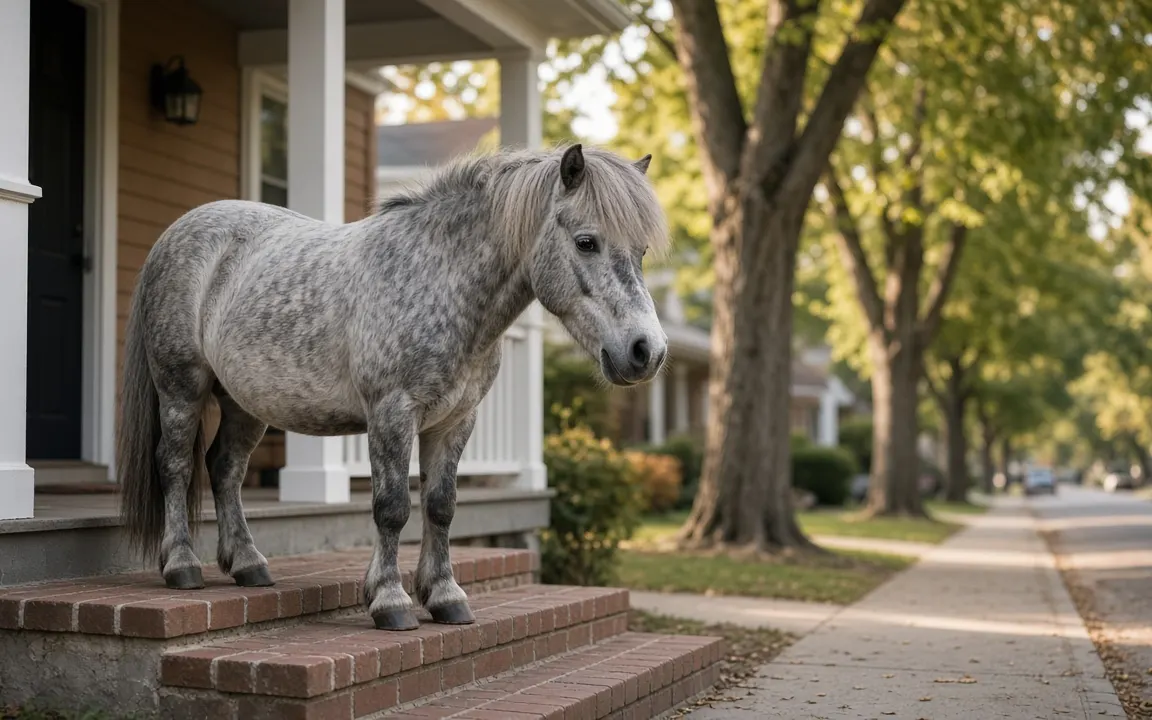
Fargo, North Dakota
Finding horse aftercare that reaches Fargo
Providers who cremate horses and large farm animals individually are few on the Northern Plains, and distances between towns are long. If you keep an older horse, a donkey or a small herd around Fargo, ask ahead about euthanasia planning, collection and cremation, and what happens if the animal dies in the middle of winter. A plan made early spares you calls during a storm.
Winter shapes everything about large animal aftercare in the Fargo area. Frozen ground rules out burial for months, blizzards can close roads, and deep snow may block access to a barn or pasture. Spring brings mud and, in some years, Red River flooding. When you ask for help, describe the road, the yard and how close a truck with a winch can get to the animal.
Some Fargo owners are surprised to learn that the nearest equine crematory is outside the county, or even across a state line. Large chambers are expensive to build and run, so they cluster where there are enough horses to keep them busy. If yours is far away, ask whether they run collection routes through your area on certain days; waiting a day for a scheduled run can cost far less than a special trip.
Fargo's population is around 136,275, the largest of the 10 North Dakota communities we cover.
Families in Fargo often end up using a provider from Moorhead (2 miles), West Fargo (6 miles) and Wahpeton (43 miles). That is normal: crematories serve a radius, not a single town, and the drive is priced into collection.
60.0%[2]
The NFDA projected North Dakota's cremation rate at 60.0% for 2024.
6.6 million[3]
There were an estimated 6.6 million horses in the United States in 2023, down from 7.2 million in 2017.
$600-$1,000[1]
Cremating a 1,000-pound horse was reported to cost about $600-$1,000, depending on location and the price of propane.
3-5% of body weight[4]
Embrace notes cremated remains typically weigh about 3-5% of the pet's original body weight.
None of the figures on this this page are ours alone: they rest on Embrace Pet Insurance and Extension Horses (eXtension national Cooperative Extension).
How North Dakota thinks about cremation
About 60.0%[2] of people in North Dakota choose cremation, so it's familiar to most families, even if older relatives remember farm burials as the norm. For a horse you can have a little of both: cremation now, then a small burial of the ashes on land you'll keep, or scattering along a trail you rode together. Burying ashes is a far smaller job than burying a horse.
Source for the North Dakota number: NFDA 2024 Cremation & Burial Report state projections (via Occasional Sage) (2024). Nobody publishes a pet cremation rate for Fargo, so the human figure is the best local signal available.
Fargo weather and your horse's aftercare
With 6 freezing months in a normal year, the thaw matters as much as the frost. A lane that held a truck in January can turn to mud in March. When you describe access to a provider around Fargo, describe the conditions today, not the ones you remember from summer.
Fargo winters are cold, with average lows at or below freezing in January, February, March, April, November and December. Cold buys you time after a death, often enough to wait for a daytime collection, but it takes burial off the table for much of the season. Digging a trench about 9 ft deep[5], as extension guidance suggests for a horse, is slow and costly in frozen ground, so winter deaths here usually mean cremation or a collection service.

How much to budget, including the haul
Extension specialists have reported about $600-$1,000[1] to cremate a 1,000 lb horse, depending on location and the price of propane. That's before transport, which is often the second-biggest line on a quote in Fargo because equine crematories are few and far apart. The table shows every main option, since many owners compare cremation with burial, rendering and composting before deciding.
The full price table by size is on our North Dakota page, and the services page explains what each option includes.

Free tool
Horse aftercare cost comparison
Compare equine cremation, burial, rendering and composting side by side.
Setbacks, depth and timing in North Dakota
Some places write very exact rules. Minnesota, for instance, wants a buried horse kept 5 feet above the high water level, under 3 feet of soil[7] (University of Minnesota Extension). Others rely on general guidance. Find out which kind North Dakota has before anyone digs, because a precise rule is easy to break by accident.
Not sure which office covers Fargo? The North Dakota local government directory is the official list.
The North Dakota page sets out who oversees pet cremation and what the state says about burial and scattering. Fargo's own bylaws can sit on top of that, so ask before you dig.
The first day, step by step
- In the first hour: get the vet to confirm the death, keep everyone at a safe distance, and allow the other horses a short look.
- Before anything leaves the farm: plait the tail and cut the braid off, take some mane, remove one shoe and hold on to the halter.
- Within a few hours: settle on cremation, burial, rendering or composting. Whatever the season, a horse's body needs to be dealt with quickly.
- Book the truck or the backhoe, telling them how to find you, the gate width and whether the ground is firm.
- Keep the body covered so dogs and wildlife can't get to it before the truck comes.
- In the days after: ask when the ashes will return, and tell the people who loved your horse: riders, the farrier, the barn.
Ashes, keepsakes and a place to visit
The Red River Valley around Fargo is some of the flattest, richest farmland in North America, with wheat, soybeans and sugar beets, and cattle, sheep, horses and hobby farms spread across Cass County and into Minnesota. Commercial livestock is handled on the farm or through rendering under state rules. For a horse, pony, pet goat or family cow, individual cremation may be possible, so explain the animal's role.
Every option Fargo families choose between is on the services page, the planning tools turn your pet's details into figures, the guides answer the longer questions and the blog the newer ones, or see how other readers answered in our polls. Close to Fargo we also cover Williston, Dickinson, Grand Forks and West Fargo; the full list for North Dakota and for the United States is a click away.

Reader polls
What would you choose?
Vote anonymously and see how other readers answered. The results are live counts from people who visit this site, so they show real opinions, not a scientific sample.
Where does your horse live?
Tap an answer to vote and see how others answered. Anonymous.
What would you most want to keep from your horse?
Tap an answer to vote and see how others answered. Anonymous.
If you had to decide today, which aftercare would you choose for your pet?
Tap an answer to vote and see how others answered. Anonymous.

Free tools to help you plan
Horse aftercare cost comparison
Compare equine cremation, burial, rendering and composting side by side.

Aftercare options compared
Compare private, communal and water cremation with burial on cost, timing and what comes home.

Ashes weight estimator
See roughly how much ash to expect back, by species and body weight.
Questions people ask
When is the hardest time of year to arrange a burial in Fargo?
January, February, March, April, November and December: average lows are below freezing then, and frozen ground makes a home grave slow or impossible until it thaws. The other pressure point is July, when highs around 82°F mean a body needs cooling and collecting quickly.
Which nearby towns can I compare with Fargo?
The closest communities we cover are Moorhead (about 2 miles), West Fargo (about 6 miles) and Wahpeton (about 43 miles). Providers based in those places often serve Fargo too. Ask each one for a written total that includes collection, so the distance is priced in.
Is cremation common in North Dakota?
For people, yes: about 60.0%[2] of North Dakota deaths end in cremation, according to NFDA 2024 Cremation & Burial Report state projections (via Occasional Sage) (2024). Nobody publishes the same figure for pets, but in our experience pet choices in Fargo follow the human pattern closely, so cremation is the default most families here start from.
What does a collection truck need to reach my horse?
A firm, reasonably level route, a gate wide enough for the vehicle and space to get within winch range of your horse. Soft pasture, steep slopes, low branches and tight turns cause most of the problems. Measure your narrowest gate and describe ground conditions on the day. Our farm access guide covers the details.
Is there a horse crematory near Fargo?
There may not be one close by. Large-animal chambers are expensive to build and run, so they cluster where there are enough horses to keep them busy, and owners near Fargo often deal with a provider an hour or more away. Some run collection routes on set days. Tell us your address and we'll look for equine-capable providers that reach you, including any across a county or state line.
Can I compost my horse instead of cremating?
In many places, yes, and it's inexpensive: Cornell and Penn State estimated $170-$380[8] for a 1,200 lb horse. You'll need about 10 cubic yards of wood chips or sawdust, a loader, a site away from water and neighbors, and patience, because an intact horse takes about 9-10 months[9] to break down. Some states restrict it, so check first.


Sources and our estimates
- [1] Cremating a 1,000-pound horse was reported to cost about $600-$1,000, depending on location and the price of propane. Extension Horses (eXtension national Cooperative Extension) - Horse Disposal Options, 2019, 2019.
- [2] The NFDA projected North Dakota's cremation rate at 60.0% for 2024. NFDA 2024 Cremation & Burial Report state projections (via Occasional Sage), 2024.
- [3] There were an estimated 6.6 million horses in the United States in 2023, down from 7.2 million in 2017. American Horse Council - 2023 National Equine Economic Impact Study release, 2023.
- [4] Embrace notes cremated remains typically weigh about 3-5% of the pet's original body weight. Embrace Pet Insurance - Bury or Cremate Your Dog? Costs, Pros & Cons, 2025.
- [5] Extension guidance recommends a horse burial trench about 7 feet wide and 9 feet deep, covered by 3-4 feet of soil, and no fewer than 100 yards from wells and streams. Extension Horses (eXtension national Cooperative Extension) - Horse Disposal Options, 2019, 2019.
- [6] About 92,400 U.S. horses would be expected to die or be euthanized each year (6.6 million horses x 1.4% annual mortality). Our estimate: 6,600,000 x 1.4%. How we calculate.
- [7] Minnesota Board of Animal Health rules require buried horses to be 5 feet above the high water level, covered with 3 feet of soil, and in soils more than 10 feet from bedrock. University of Minnesota Extension - Horse carcass disposal (Martinson & Wilson, reviewed 2022), 2022.
- [8] Composting a 1,200-pound horse requires about 10 cubic yards of carbon material (wood chips, sawdust), and total material, equipment, fuel and labor costs were estimated at $170-$380 per horse. Cornell Waste Management Institute & Penn State - Horse Mortality: Carcass Disposal Alternatives (2012), 2012.
- [9] An intact horse carcass takes approximately 9-10 months to compost, and piles should reach at least 130 F. Extension Horses (eXtension national Cooperative Extension) - Horse Disposal Options, 2019, 2019.
Get Fargo horse aftercare prices by email
Tell us what you need and where you are. We'll reply by email with clear options and prices so you can decide in your own time.