Horse cremation and aftercare in New Orleans
Cremation, burial, rendering or composting: for a horse in New Orleans, the right choice depends on land, distance and budget. Here's how each works locally and what it usually costs.
- Plan ahead for a senior horse
- Weather and timing advice for New Orleans
- Options when the nearest chamber is far
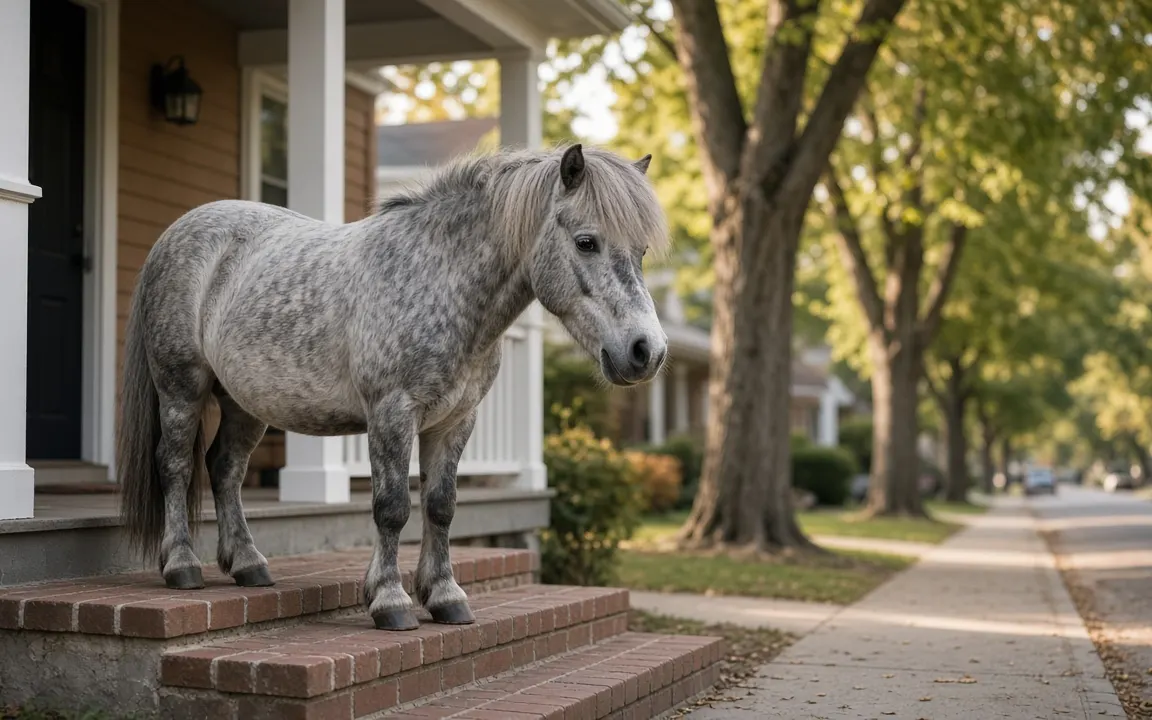
New Orleans, Louisiana
Barns, farms and distance around New Orleans
Large animals are rare in New Orleans itself, but horses still have a place in city life, from mule-drawn carriages in the French Quarter to horses in the famous parades, and horse racing has a long history here. Across Lake Pontchartrain, the north shore around Folsom in St. Tammany Parish is known for horse farms, and rural parishes raise cattle and goats.
Owners of a horse or farm animal near New Orleans usually decide between getting the ashes back from an individual cremation, a group cremation, or rendering and burial where Louisiana rules and ground conditions allow. Horse-sized cremation is specialist work in the Gulf South, and the nearest suitable facility may be some distance away, so ask early and get the full price in writing.
Horses around New Orleans tend to live on small acreages, boarding barns and hobby farms within a short drive of town. That means your vet can usually reach you quickly, but the aftercare provider may not be as close. Before anything else, find out who covers your area for large-animal collection: an equine crematory, a renderer, a fallen-stock hauler, or a local contractor with a backhoe.
New Orleans's population is around 362,154, the largest of the 17 Louisiana communities we cover.
New Orleans sits within easy reach of Kenner (12 miles), Slidell (29 miles) and St. George (64 miles). A provider based in any of them will usually collect from New Orleans; ask what the mileage adds to the bill.
46.4%[1]
The NFDA projected Louisiana's cremation rate at 46.4% for 2024.
6.6 million[2]
There were an estimated 6.6 million horses in the United States in 2023, down from 7.2 million in 2017.
$600-$1,000[3]
Cremating a 1,000-pound horse was reported to cost about $600-$1,000, depending on location and the price of propane.
3-5% of body weight[4]
Embrace notes cremated remains typically weigh about 3-5% of the pet's original body weight.
None of the figures on this this page are ours alone: they rest on Extension Horses (eXtension national Cooperative Extension) and American Horse Council.
Local attitudes to cremation and burial
Only about 46.4%[1] of people in Louisiana are cremated, so burial remains the local tradition. For horses, that often means a grave on the family farm, dug with a backhoe the same day. It's still worth knowing the cremation option, because it lets you take your horse with you if you move, and for many boarders it's the only option at all.
NFDA 2024 Cremation & Burial Report state projections (via Occasional Sage) (2024) is where the Louisiana figure comes from. It counts people; we use it because attitudes to cremating a pet in New Orleans tend to follow attitudes to cremation generally.
New Orleans weather and your horse's aftercare
Heat does help one option. A horse compost pile needs to reach about 135-140 F[5] within its first couple of weeks, according to USDA guidance, and warm months get it there faster. If you have space and a loader near New Orleans, summer composting is realistic, provided you have enough wood chips on hand before you need them.
New Orleans summers are hot, with August highs averaging about 90°F. A horse's body can't be brought indoors or cooled the way a dog's can, so in the warmer months the clock runs fast. If a death happens in the heat, call your provider straight away, ask for same-day collection and cover the body with a light-colored tarp or sheet, in shade if you can rig some.

Horse aftercare prices for New Orleans owners
Burial isn't always the cheapest route. Renting a backhoe has been reported at $250-$500[6], which is less than cremation but more than a rendering pickup, and it assumes you own suitable land. Composting a 1,200 lb horse was estimated at $170-$380[7] in materials, equipment and labor. Each route suits a different situation, and the table sets them side by side.
The full price table by size is on our Louisiana page, and the services page explains what each option includes.

Free tool
Horse aftercare cost comparison
Compare equine cremation, burial, rendering and composting side by side.
Before anyone digs: the rules in Louisiana
Paperwork matters too. In the UK and much of Europe, a horse's passport has to be returned to the organization that issued it after death, and collectors may ask to see it. In the US, a vet's note of the date and cause of death helps if an insurer, a renderer or a landfill asks. Keep those papers with your plan. Here are the local notes for Louisiana.
To find your county or city office in Louisiana, start with the official Louisiana local government directory.
Home burial and scattering are governed at the Louisiana level first; our Louisiana rules summary has the detail. Then check whether New Orleans or your HOA adds anything.
The first day, step by step
- Call the barn manager first if your horse is boarded. They control the gates, the machinery and where a truck can park.
- Check the barn's rules about which areas the vet may use and the deadline for removing a body from the yard.
- Agree who pays for what: your vet's bill, the pickup, and any tractor or skid-steer time the barn puts in.
- Contact an equine-capable provider, or ask us to find local options, and give them the barn's exact address.
- Pick a time that lets other boarders stable their horses and keeps the aisle empty.
- Leave a note at the barn office saying who is collecting, when they're expected and how to reach you by phone.
Memorials at the barn and beyond
South Louisiana heat and humidity mean a large body must be moved quickly, often within hours. Heavy rain can flood low pastures, and soft, wet ground can stop a heavy truck. Across the lake or out in the rural parishes, tell a provider about the road, the gate and the ground, so the right truck is sent the first time.
Compare every option on our services page, or see how other readers answered in our polls, browse in-depth guides or recent articles, use the free tools before you ring anyone. More local pages: Baton Rouge, Shreveport, Lafayette and Kenner, the Louisiana overview and every city in the United States.

Reader polls
What would you choose?
Vote anonymously and see how other readers answered. The results are live counts from people who visit this site, so they show real opinions, not a scientific sample.
Is your horse a senior, and have you made an aftercare plan?
Tap an answer to vote and see how others answered. Anonymous.
What worries you most about horse aftercare?
Tap an answer to vote and see how others answered. Anonymous.
If you had to decide today, which aftercare would you choose for your pet?
Tap an answer to vote and see how others answered. Anonymous.

Free tools to help you plan
Horse aftercare cost comparison
Compare equine cremation, burial, rendering and composting side by side.

Aftercare options compared
Compare private, communal and water cremation with burial on cost, timing and what comes home.

Ashes weight estimator
See roughly how much ash to expect back, by species and body weight.
Questions people ask
Why does the New Orleans page quote a human cremation rate?
Because it is the best local signal we have. NFDA 2024 Cremation & Burial Report state projections (via Occasional Sage) (2024) reports about 46.4%[1] of Louisiana residents are cremated. There is no official pet equivalent, and inventing one would be worse than quoting a real, clearly labelled number.
How does New Orleans's weather affect horse aftercare?
August is the hottest month in New Orleans, with average highs around 90°F, so prompt collection matters most then. Winters are mild, with average lows staying above freezing, so outdoor burial or scattering is usually possible year round.
Which nearby towns can I compare with New Orleans?
The closest communities we cover are Kenner (about 12 miles), Slidell (about 29 miles) and St. George (about 64 miles). Providers based in those places often serve New Orleans too. Ask each one for a written total that includes collection, so the distance is priced in.
Does equine insurance pay for horse cremation?
Usually not directly. Mortality insurance pays out on the insured value of the horse, and most policies don't cover aftercare, though some include a small disposal allowance. What matters most is timing: many insurers want to be told before the body is moved and may want an approved vet to examine your horse. Call the claims line first, then book cremation once they've agreed.
Is horse cremation common in Louisiana?
For people, about 46.4%[1] of deaths in Louisiana end in cremation, so the idea is familiar. For horses it's less common than for dogs and cats, because of cost and distance, and many owners choose burial, rendering or composting. Cremation is most common among boarders and owners who want to keep something of their horse.
How long until I get my horse's ashes back?
Longer than for a small pet. The burn phase alone takes at least 4.4 hours[8] for an 1,100 lb horse on our estimate, followed by a long cool-down and processing. Around New Orleans, distance and scheduled delivery routes add time too. Ask for an expected return date and whether the ashes will be delivered or need collecting.


Sources and our estimates
- [1] The NFDA projected Louisiana's cremation rate at 46.4% for 2024. NFDA 2024 Cremation & Burial Report state projections (via Occasional Sage), 2024.
- [2] There were an estimated 6.6 million horses in the United States in 2023, down from 7.2 million in 2017. American Horse Council - 2023 National Equine Economic Impact Study release, 2023.
- [3] Cremating a 1,000-pound horse was reported to cost about $600-$1,000, depending on location and the price of propane. Extension Horses (eXtension national Cooperative Extension) - Horse Disposal Options, 2019, 2019.
- [4] Embrace notes cremated remains typically weigh about 3-5% of the pet's original body weight. Embrace Pet Insurance - Bury or Cremate Your Dog? Costs, Pros & Cons, 2025.
- [5] A carcass compost pile should reach 135-140 F within 15 days and be held at temperature for 3-12 weeks. USDA APHIS / Center for Food Security and Public Health (Iowa State) - Disposal: Composting, Rendering & Burial handout, based on NAHEMS Disposal Guidelines (2012), 2012.
- [6] Renting a backhoe to bury a horse costs roughly $250-$500, and horse disposal in a landfill (where accepted) costs about $80-$150. Extension Horses (eXtension national Cooperative Extension) - Horse Disposal Options, 2019, 2019.
- [7] Composting a 1,200-pound horse requires about 10 cubic yards of carbon material (wood chips, sawdust), and total material, equipment, fuel and labor costs were estimated at $170-$380 per horse. Cornell Waste Management Institute & Penn State - Horse Mortality: Carcass Disposal Alternatives (2012), 2012.
- [8] At an average rate of 250 lb per hour, the burn phase for a 1,100 lb horse would take at least about 4.4 hours, not counting preheating and cool-down. Our estimate: 1,100 lb / 250 lb per hour. How we calculate.
Ask us to check providers near your barn
Tell us what you need and where you are. We'll reply by email with clear options and prices so you can decide in your own time.