Arranging horse cremation near Baton Rouge
Cremation, burial, rendering or composting: for a horse in Baton Rouge, the right choice depends on land, distance and budget. Here's how each works locally and what it usually costs.
- Honest costs for Baton Rouge horse owners
- Individual cremation, confirmed in writing
- Tail, mane and shoe keepsakes
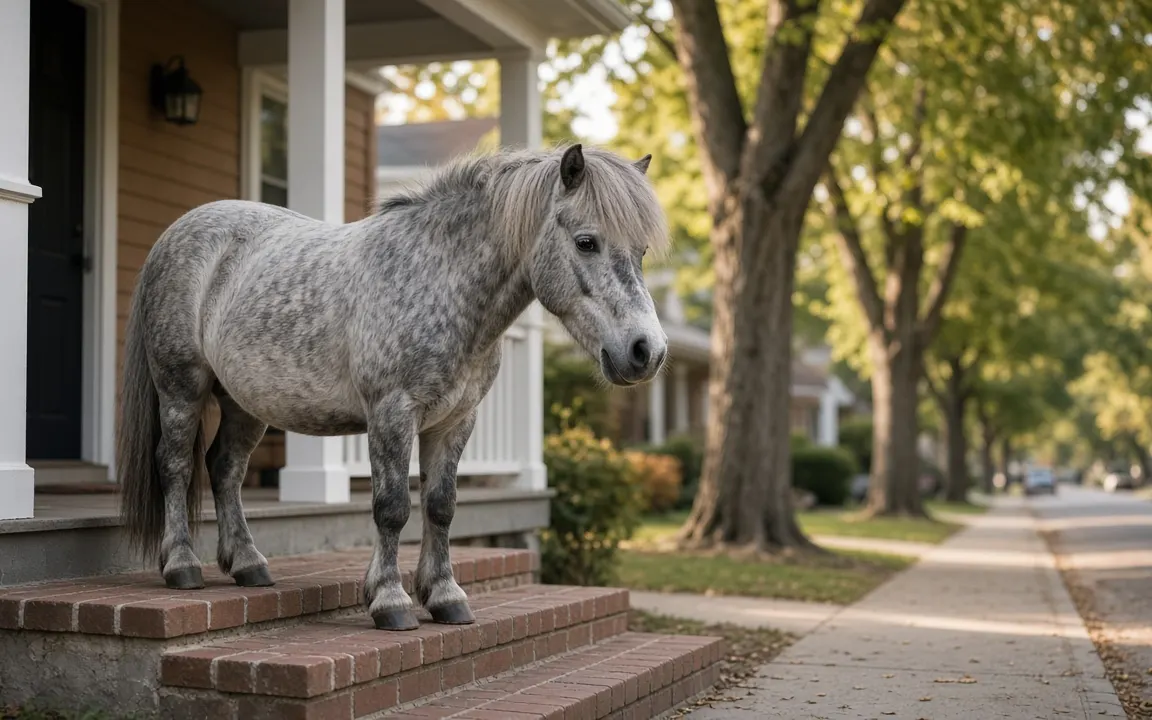
Baton Rouge, Louisiana
Where horses live around Baton Rouge, and why it matters
Heat and humidity make speed important for any large animal in south Louisiana. From May through September, a horse, cow or pig that dies outdoors should be moved into shade if possible, and collection arranged the same day. Hurricane season adds another layer: if you keep livestock, it's worth knowing ahead of time who can collect after a storm, when roads may be blocked and demand is high.
Louisiana has a strong rural tradition of burying animals on the farm, but in this part of the state the high water table and flood-prone land can make that difficult. Individual cremation with ashes returned is a practical alternative for a family horse, a show animal or a much-loved goat. For commercial livestock, disposal usually follows agricultural channels instead, so tell us which situation you're in when you ask.
Many horse owners around Baton Rouge rely on a mix of help: the vet for the goodbye, a neighbor with a tractor or skid steer to move the body a short way to where a truck can reach, and a provider for the rest. If you're lucky enough to have that neighbor, ask them now, and ask the provider whether they'd rather load from the ground or from a trailer.
Baton Rouge is home to about 222,795 people, the 2nd-largest of the 17 Louisiana communities we cover.
Baton Rouge sits within easy reach of St. George (11 miles), Central (12 miles) and Zachary (15 miles). A provider based in any of them will usually collect from Baton Rouge; ask what the mileage adds to the bill.
46.4%[1]
The NFDA projected Louisiana's cremation rate at 46.4% for 2024.
6.6 million[2]
There were an estimated 6.6 million horses in the United States in 2023, down from 7.2 million in 2017.
$600-$1,000[3]
Cremating a 1,000-pound horse was reported to cost about $600-$1,000, depending on location and the price of propane.
3-5% of body weight[4]
Embrace notes cremated remains typically weigh about 3-5% of the pet's original body weight.
The numbers above come from Embrace Pet Insurance and American Horse Council, if you'd like to read the original sources.
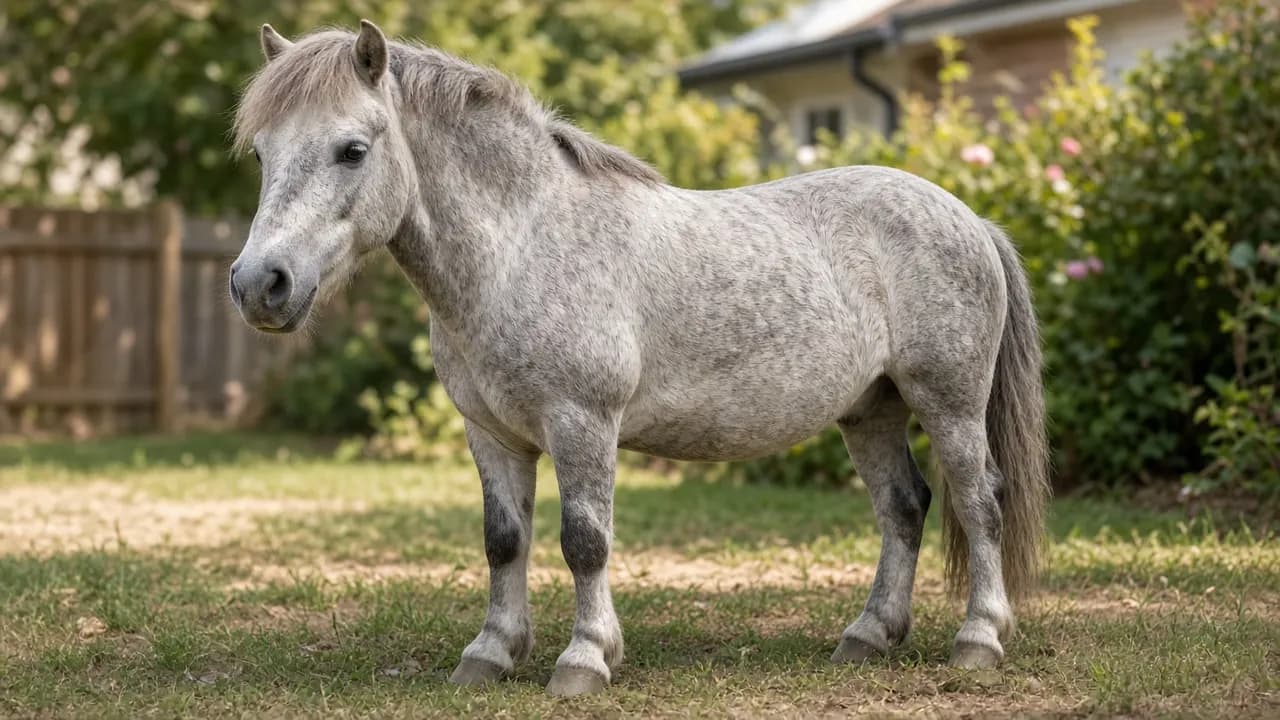
Cremation habits in Louisiana, and your horse
With about 46.4%[1] of people cremated, Louisiana is a place where burial is still common. That can mean fewer crematories overall, and fewer again that can take a horse, so expect a longer haul if you want ashes back. It also means your vet and neighbors will be used to farm burials and can tell you what the county expects.
The Louisiana figure comes from NFDA 2024 Cremation & Burial Report state projections (via Occasional Sage) (2024). It describes people, not pets, so read it as a sign of local attitudes rather than a pet statistic.
Heat, frost and mud: timing in Baton Rouge
Heat does help one option. A horse compost pile needs to reach about 135-140 F[5] within its first couple of weeks, according to USDA guidance, and warm months get it there faster. If you have space and a loader near Baton Rouge, summer composting is realistic, provided you have enough wood chips on hand before you need them.
In the hottest months (June, July, August and September), schedule a planned euthanasia for early morning. The ground is firmer, the air is cooler, the vet and the driver are fresher, and you're not racing the afternoon heat. Many owners book the truck for the same morning too, so their horse isn't left in a paddock through the hottest part of the day.

Where the money goes: haul, chamber and extras
Horse cremation costs more for a simple reason: one horse fills most of a large-animal chamber, around 73% of chamber capacity[6] on our estimate, so each horse is cremated on its own. Per pound, that works out at about $0.80/lb[7] at midpoint prices, several times the cost of rendering or composting. Ask any provider serving Baton Rouge to list the cremation and the haul separately.
We keep the detailed Louisiana price table on one page so it stays current: see Louisiana prices.

Free tool
Horse aftercare cost comparison
Compare equine cremation, burial, rendering and composting side by side.
Rules worth knowing in Louisiana
Composting is where local rules differ most. Some places encourage on-farm composting of large animals; California, for example, prohibits composting unprocessed mammal carcasses (UC ANR). Check with the agriculture department or council covering Louisiana before a pile goes in, even if a neighbor tells you it's fine.
To find your county or city office in Louisiana, start with the official Louisiana local government directory.
We keep Louisiana's burial and scattering rules in one place: the Louisiana rules summary. Before a home burial in Baton Rouge, also ask the city whether local ordinances add anything.
Step by step, from the field to the urn
- In the first hour: have your vet confirm the death, keep people safe and let your horse's companions see the body briefly.
- Before anything leaves the farm: plait the tail and cut the braid off, take some mane, remove one shoe and hold on to the halter.
- Within a few hours: choose cremation, burial, rendering or composting. A body this size can't wait long in any weather.
- Book the truck or the backhoe with clear directions, the gate width and a note on ground conditions.
- Keep the body covered and out of reach of dogs and wildlife until it's collected.
- In the days after: ask when the ashes will return, and tell the people who loved your horse: riders, the farrier, the barn.
Ways to keep your horse close
Just outside Baton Rouge you're quickly into horse and cattle country, with pastures across Livingston, Ascension and East and West Feliciana parishes. Many families keep a horse, a few goats or a pony on acreage within a short drive of the city. When a large animal dies on a rural property, give the provider clear directions, the width of your gate and a description of the ground, since soft pasture after heavy rain can stop a heavy truck.
use the free tools before you ring anyone, Our services overview lays out every option side by side, read our guides and latest articles, or see how other readers answered in our polls. Close to Baton Rouge we also cover New Orleans, Lake Charles, Kenner and St. George; the full list for Louisiana and for the United States is a click away.

Reader polls
What would you choose?
Vote anonymously and see how other readers answered. The results are live counts from people who visit this site, so they show real opinions, not a scientific sample.
Where does your horse live?
Tap an answer to vote and see how others answered. Anonymous.
If you had to decide today, what would you choose for your horse?
Tap an answer to vote and see how others answered. Anonymous.
If you had to decide today, which aftercare would you choose for your pet?
Tap an answer to vote and see how others answered. Anonymous.

Free tools to help you plan
Horse aftercare cost comparison
Compare equine cremation, burial, rendering and composting side by side.

Aftercare options compared
Compare private, communal and water cremation with burial on cost, timing and what comes home.

Ashes weight estimator
See roughly how much ash to expect back, by species and body weight.
Questions people ask
Can a provider from a neighbouring town collect from Baton Rouge?
Usually yes. St. George is about 11 miles away, Central is about 12 miles away and Zachary is about 15 miles away, all inside a normal collection radius. Get the mileage written into the quote so there is no surprise on the day.
Why does the Baton Rouge page quote a human cremation rate?
Because it is the best local signal we have. NFDA 2024 Cremation & Burial Report state projections (via Occasional Sage) (2024) reports about 46.4%[1] of Louisiana residents are cremated. There is no official pet equivalent, and inventing one would be worse than quoting a real, clearly labelled number.
Does the Baton Rouge climate change what I should do first?
Only the timing. In August, with highs near 91°F, cool the body and book collection the same day. Winters here are mild enough that burial or scattering is possible in any month.
Is horse cremation common in Louisiana?
For people, about 46.4%[1] of deaths in Louisiana end in cremation, so the idea is familiar. For horses it's less common than for dogs and cats, because of cost and distance, and many owners choose burial, rendering or composting. Cremation is most common among boarders and owners who want to keep something of their horse.
Does the euthanasia method affect what I can do afterwards?
It can. After a barbiturate euthanasia, a horse carries drug residue, so the body has to go somewhere scavengers can't reach it: deep underground, into a cremation chamber or to an approved processor; drug labels have required that warning since 2003[8]. Some renderers charge more for, or refuse, euthanized horses. If you're set on rendering, ask the renderer before the vet visit.
Does equine insurance pay for horse cremation?
Usually not directly. Mortality insurance pays out on the insured value of the horse, and most policies don't cover aftercare, though some include a small disposal allowance. What matters most is timing: many insurers want to be told before the body is moved and may want an approved vet to examine your horse. Call the claims line first, then book cremation once they've agreed.


Sources and our estimates
- [1] The NFDA projected Louisiana's cremation rate at 46.4% for 2024. NFDA 2024 Cremation & Burial Report state projections (via Occasional Sage), 2024.
- [2] There were an estimated 6.6 million horses in the United States in 2023, down from 7.2 million in 2017. American Horse Council - 2023 National Equine Economic Impact Study release, 2023.
- [3] Cremating a 1,000-pound horse was reported to cost about $600-$1,000, depending on location and the price of propane. Extension Horses (eXtension national Cooperative Extension) - Horse Disposal Options, 2019, 2019.
- [4] Embrace notes cremated remains typically weigh about 3-5% of the pet's original body weight. Embrace Pet Insurance - Bury or Cremate Your Dog? Costs, Pros & Cons, 2025.
- [5] A carcass compost pile should reach 135-140 F within 15 days and be held at temperature for 3-12 weeks. USDA APHIS / Center for Food Security and Public Health (Iowa State) - Disposal: Composting, Rendering & Burial handout, based on NAHEMS Disposal Guidelines (2012), 2012.
- [6] A 1,100 lb horse uses about 73% of a 1,500 lb animal incinerator load, so large-animal units generally cremate one horse at a time. Our estimate: 1,100 / 1,500 x 100. How we calculate.
- [7] Midpoint horse cremation cost works out to about $0.80 per pound of body weight, versus about $0.14 per pound for rendering pickup and $0.23 per pound for on-farm composting. Our estimate: cremation $800 / 1,000 lb; rendering $137.50 / 1,000 lb; composting $275 / 1,200 lb. How we calculate.
- [8] Since 2003 the FDA has required euthanasia drug labels to warn that euthanized animals must be disposed of by deep burial, incineration or another approved method to keep scavenging wildlife from eating the carcass. Cornell Waste Management Institute & Penn State - Horse Mortality: Carcass Disposal Alternatives (2012), 2003.
Get horse cremation options in Baton Rouge
Tell us what you need and where you are. We'll reply by email with clear options and prices so you can decide in your own time.