Horse aftercare near Washington: cremation, burial and more
A horse leaves around 38.5 lb[1] of ashes on our estimate, and it takes a large-animal chamber and a winch truck to get there. Here's how that works for owners in Washington.
- Help for boarders and barn managers
- Local rules on burial and setbacks
- Options for every budget
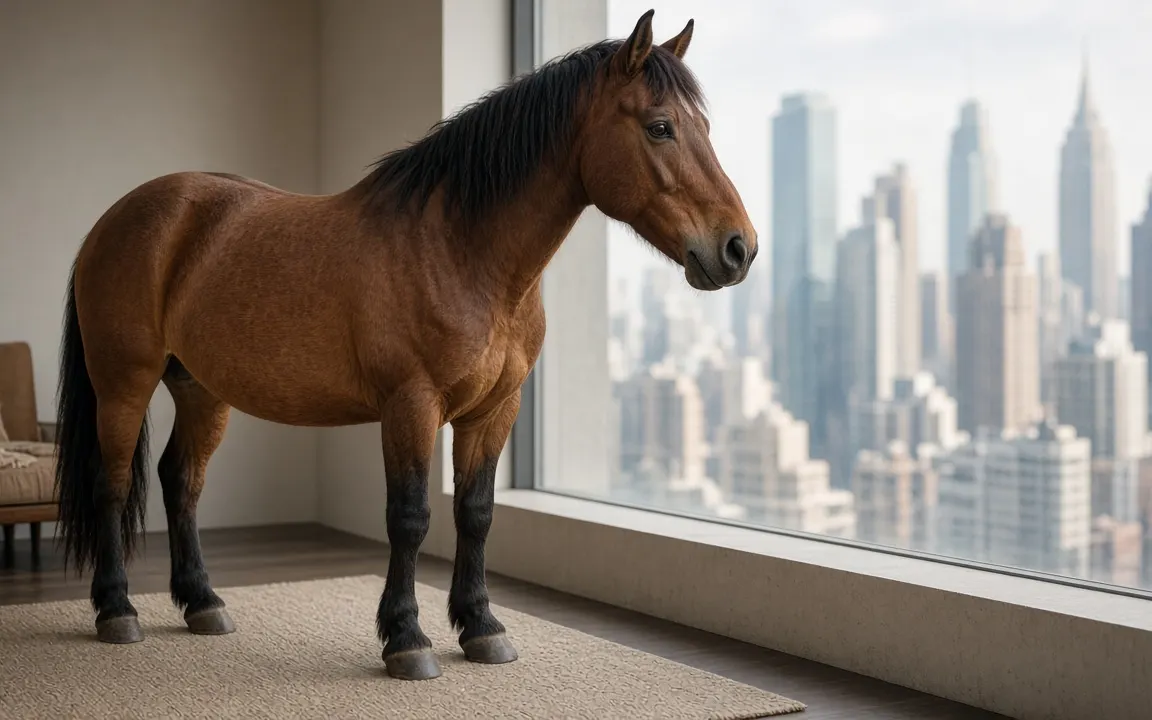
Washington, District of Columbia
Where horses live around Washington, and why it matters
Inside the District, large animals are rare: the Park Police horses, the zoo and a few urban farm programs. Just beyond the Beltway, though, Maryland's Montgomery and Howard counties and Virginia's Loudoun and Fauquier counties hold horse farms, cattle, sheep, goat dairies and farm sanctuaries. Removal there is typically arranged by the farm and its vet, and the few places able to cremate a large animal individually can be hours away.
Mid-Atlantic weather can turn pastures to mud in spring and freeze them hard in January, while summer heat brings urgency. Before calling for collection, know whether a truck with a winch can reach the horse, steer or goat, how far it lies from a paved lane and whether any gates or fences are in the way. Farms in Virginia hunt country and Maryland's Agricultural Reserve often have narrow lanes.
Barns on the edge of a metro the size of Washington often have houses, cul-de-sacs and a busy road on at least one side. Loading a horse is not something neighbors or passing children need to watch. Ask the provider to park behind the barn or indoor arena if there's room, keep a large tarp ready, and pick a quiet hour. Most drivers are used to being discreet and will welcome the request.
Washington's population is around 693,645.
If you want to compare providers, look at Arlington (4 miles), Hyattsville (6 miles) and Silver Spring (6 miles). Distance matters because pickup fees and the time until the ashes come back both grow with the drive.
56.9%[2]
The NFDA projected District of Columbia's cremation rate at 56.9% for 2024.
6.6 million[3]
There were an estimated 6.6 million horses in the United States in 2023, down from 7.2 million in 2017.
$600-$1,000[4]
Cremating a 1,000-pound horse was reported to cost about $600-$1,000, depending on location and the price of propane.
3-5% of body weight[5]
Embrace notes cremated remains typically weigh about 3-5% of the pet's original body weight.
The numbers above come from Extension Horses (eXtension national Cooperative Extension) and American Horse Council, if you'd like to read the original sources.
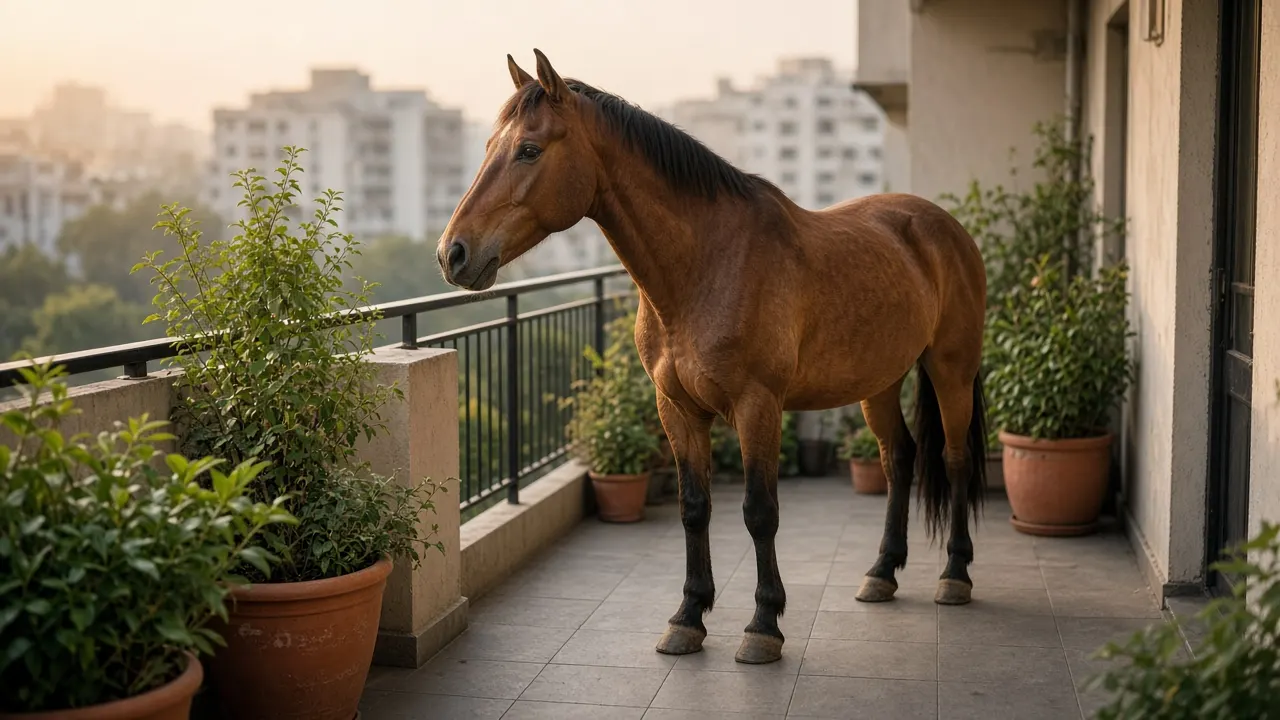
Cremation habits in District of Columbia, and your horse
Roughly 56.9%[2] of funerals in District of Columbia now end in cremation, and farm habits here have been shifting in parallel. The old answer for a dead horse, calling the renderer, is fading in many areas because fewer plants now accept horses[6]. That has nudged owners who once used the knacker's truck toward cremation, composting or burial, often without anyone quite deciding to change.
For the District of Columbia figure we rely on NFDA 2024 Cremation & Burial Report state projections (via Occasional Sage) (2024). Read it as a picture of local custom around death and remembrance in Washington rather than as pet data.
Planning around the Washington calendar
Hot, dry summers usually mean hard ground, which helps: a loaded truck is less likely to sink into a paddock in July than after a wet spell. The catch is digging. Baked clay or rocky soil can make a burial slow even with a backhoe, so if burial is your plan, ask the operator whether the ground is workable at this time of year.
In the hottest months (June, July and August), schedule a planned euthanasia for early morning. The ground is firmer, the air is cooler, the vet and the driver are fresher, and you're not racing the afternoon heat. Many owners book the truck for the same morning too, so their horse isn't left in a paddock through the hottest part of the day.

Where the money goes: haul, chamber and extras
Extension specialists have reported about $600-$1,000[4] to cremate a 1,000 lb horse, depending on location and the price of propane. That's before transport, which is often the second-biggest line on a quote in Washington because equine crematories are few and far apart. The table shows every main option, since many owners compare cremation with burial, rendering and composting before deciding.
For a line-by-line price table, see the District of Columbia overview; for what's included in each option, see our services.

Free tool
Horse aftercare cost comparison
Compare equine cremation, burial, rendering and composting side by side.
Before anyone digs: the rules in District of Columbia
Some places write very exact rules. Minnesota, for instance, wants a buried horse kept 5 feet above the high water level, under 3 feet of soil[8] (University of Minnesota Extension). Others rely on general guidance. Find out which kind District of Columbia has before anyone digs, because a precise rule is easy to break by accident.
District of Columbia Department of Public Works publishes Washington's official guidance. Note that it deals with public collection, not with booking a private cremation. District of Columbia keeps an official directory of local governments; use it to reach the county or city office that covers Washington.
Home burial and scattering are governed at the District of Columbia level first; our District of Columbia rules summary has the detail. Then check whether Washington or your HOA adds anything.
Who to call, and in what order
- Decide what you want back: the ashes, a grave on your land, or only a braid and a shoe. Answering that cuts the list right down.
- Check what exists near you: an equine crematory, a renderer or fallen-stock collector, a backhoe operator, or room to compost.
- Check the rules with your county, state or council on burying or composting at home, and do it before you decide.
- Get two written quotes for the option you prefer, each including collection from your address.
- Ask the hard questions: is the cremation individual, how is my horse identified, and do I get all of the ashes back?
- Take keepsakes before collection, whichever route you choose.
- Plan for the ashes: expect somewhere around 33 to 55 lb back from a horse, which no ordinary urn will hold.
Keeping your horse's memory close to home
Many DC residents board a horse or sponsor an animal at a farm sanctuary in Maryland or Virginia and visit on weekends, so a death may come with distance and guilt. If distance means you can't be present, the farm staff can usually keep a braid of mane, a halter, a bell or some fleece for you. A photograph of the animal in the pasture can become a lasting memorial on a city apartment wall.
For a plain comparison of the choices, open services, use the free tools before you ring anyone, look through our guides and the blog, or compare your instinct with the poll results. Every other community in District of Columbia, and all of the United States, is listed too.

Reader polls
What would you choose?
Vote anonymously and see how other readers answered. The results are live counts from people who visit this site, so they show real opinions, not a scientific sample.
If you had to decide today, what would you choose for your horse?
Tap an answer to vote and see how others answered. Anonymous.
Where would you want your horse's last moments to be?
Tap an answer to vote and see how others answered. Anonymous.
If you had to decide today, which aftercare would you choose for your pet?
Tap an answer to vote and see how others answered. Anonymous.

Free tools to help you plan
Horse aftercare cost comparison
Compare equine cremation, burial, rendering and composting side by side.

Aftercare options compared
Compare private, communal and water cremation with burial on cost, timing and what comes home.

Ashes weight estimator
See roughly how much ash to expect back, by species and body weight.
Questions people ask
Is cremation common in District of Columbia?
For people, yes: about 56.9%[2] of District of Columbia deaths end in cremation, according to NFDA 2024 Cremation & Burial Report state projections (via Occasional Sage) (2024). Nobody publishes the same figure for pets, but in our experience pet choices in Washington follow the human pattern closely, so cremation is the default most families here start from.
When is the hardest time of year to arrange a burial in Washington?
January and February: average lows are below freezing then, and frozen ground makes a home grave slow or impossible until it thaws. The other pressure point is July, when highs around 90°F mean a body needs cooling and collecting quickly.
Can a provider from a neighbouring town collect from Washington?
Usually yes. Arlington is about 4 miles away, Hyattsville is about 6 miles away and Silver Spring is about 6 miles away, all inside a normal collection radius. Get the mileage written into the quote so there is no surprise on the day.
What happens to my horse if I choose rendering?
A renderer collects the body and processes it at high heat into materials such as meal and fats. Renderers have served horse owners for 100+ years[6], but fewer plants now accept horses. Nothing is returned, so save keepsakes first. It's usually the lowest-cost option, which matters when the nearest crematory is far from Washington.
How quickly does a dead horse have to be moved in District of Columbia?
Sooner than most people expect. State rules commonly require burial or other disposal within 24-72 hours[9] of death, especially after euthanasia, and some are stricter. Check the rule for District of Columbia with your vet or the state agriculture department. In practice, aim to have your horse collected or buried within a day, and sooner in hot weather.
Can I keep my horse's tail or a shoe?
Yes, and it's worth doing before collection. Tie a length of tail tightly at the top, then cut above the tie from underneath, where it won't show, so the hair stays together. Save a lock of mane too if you'd like, and pull a shoe or ask your farrier to. Our mane and tail guide explains how to clean and store hair.


Sources and our estimates
- [1] A 1,100 lb horse would be expected to return roughly 38.5 lb of cremated remains (plausible range 33-55 lb). Our estimate: 1,100 lb x 3.5% (range 3%-5%). How we calculate.
- [2] The NFDA projected District of Columbia's cremation rate at 56.9% for 2024. NFDA 2024 Cremation & Burial Report state projections (via Occasional Sage), 2024.
- [3] There were an estimated 6.6 million horses in the United States in 2023, down from 7.2 million in 2017. American Horse Council - 2023 National Equine Economic Impact Study release, 2023.
- [4] Cremating a 1,000-pound horse was reported to cost about $600-$1,000, depending on location and the price of propane. Extension Horses (eXtension national Cooperative Extension) - Horse Disposal Options, 2019, 2019.
- [5] Embrace notes cremated remains typically weigh about 3-5% of the pet's original body weight. Embrace Pet Insurance - Bury or Cremate Your Dog? Costs, Pros & Cons, 2025.
- [6] Renderers have served horse owners for over 100 years, but regulatory changes have reduced the number of rendering plants willing to accept horses, and fees and drug-residue rules may apply. Cornell Waste Management Institute & Penn State - Horse Mortality: Carcass Disposal Alternatives (2012), 2012.
- [7] A 1,100 lb horse uses about 73% of a 1,500 lb animal incinerator load, so large-animal units generally cremate one horse at a time. Our estimate: 1,100 / 1,500 x 100. How we calculate.
- [8] Minnesota Board of Animal Health rules require buried horses to be 5 feet above the high water level, covered with 3 feet of soil, and in soils more than 10 feet from bedrock. University of Minnesota Extension - Horse carcass disposal (Martinson & Wilson, reviewed 2022), 2022.
- [9] State rules commonly require dead animals to be buried within 24 to 72 hours of death, especially when euthanized. Cornell Waste Management Institute & Penn State - Horse Mortality: Carcass Disposal Alternatives (2012), 2012.
Tell us about your horse
Tell us what you need and where you are. We'll reply by email with clear options and prices so you can decide in your own time.