Horse Cremation in District of Columbia
Cremating a 1,000 lb horse has been reported at about $600-$1,000[1] before transport. We explain the haul, farm access and the alternatives for owners in District of Columbia, and can email you local options.
- Straight answers on trucks, gates and ground
- Written totals that include the haul
- Keepsakes saved before collection
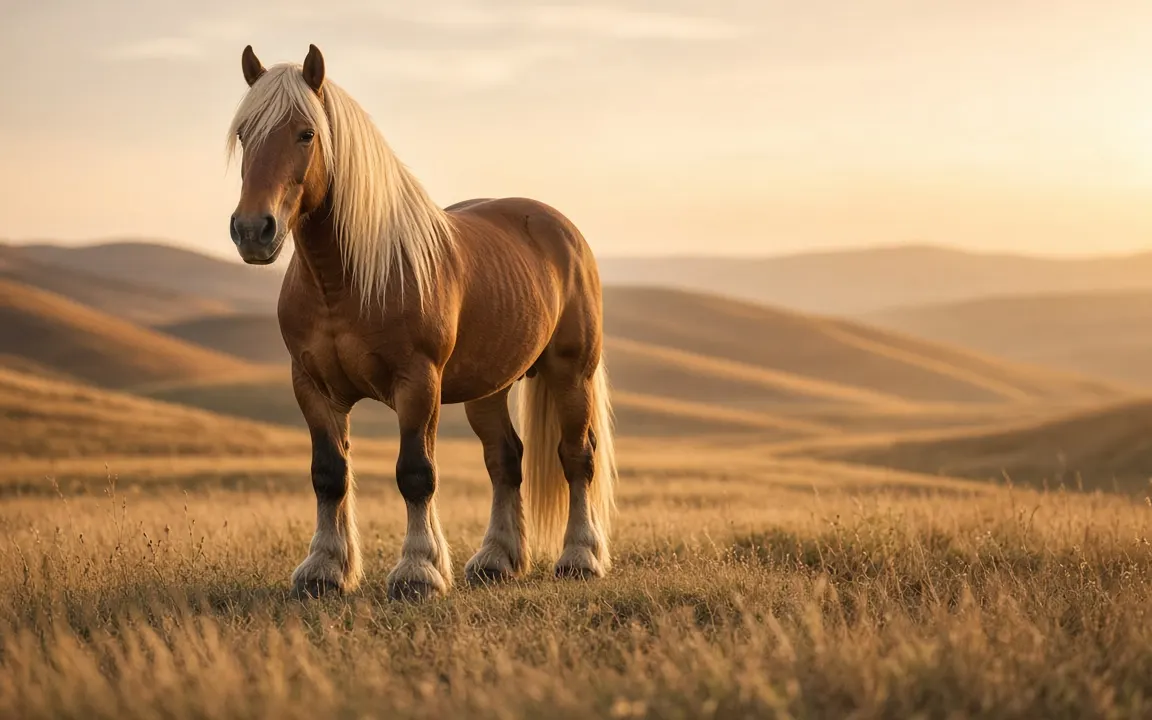
District of Columbia, the United States
Horse Cremation in District of Columbia: what to know
District of Columbia spans a real range of weather. Washington sees summer highs around 90°F, while winter lows in Washington average about 30°F. A horse that dies in the heat needs collection within hours, while one that dies in deep cold may wait longer but be much harder to reach. Your city page gives the local detail.
Many horse owners in District of Columbia board rather than keep horses at home, especially near the bigger towns. Boarding changes the plan: the barn owner controls the gates, the equipment and whether burial is allowed at all. If that's you, the most useful thing you can do today is ask your barn manager what happens when a horse dies there.
We cover 1 community in District of Columbia, from Washington.
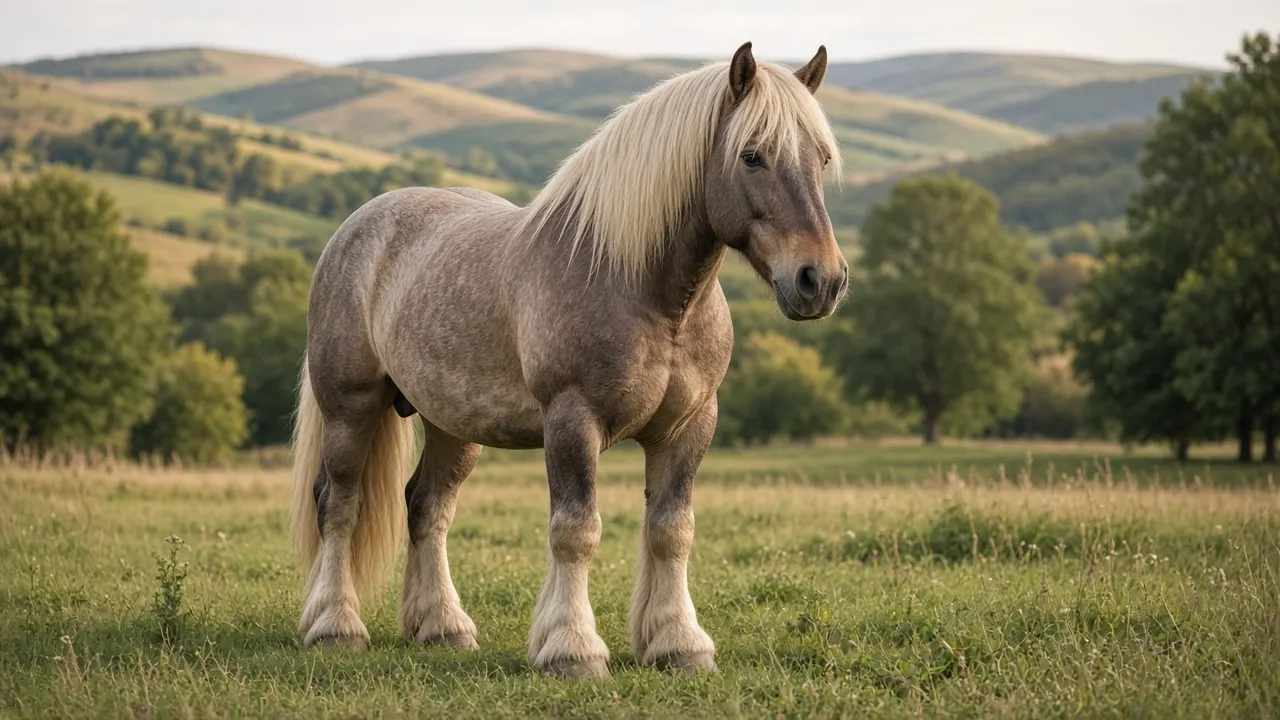

Every District of Columbia community we cover
Choose your city or town for local prices, weather and timing, and rules. 1 communities in District of Columbia, largest first below.
Cremation habits in District of Columbia, and your horse
With cremation at about 56.9%[2] for people in District of Columbia and burial still common, many families here have sat through both kinds of service. That familiarity makes a small ceremony for a horse feel natural: a few words at the paddock gate, a ride past by friends, a favorite song. It can happen before collection or months later with the ashes.
Source for the District of Columbia figure: NFDA 2024 Cremation & Burial Report state projections (via Occasional Sage) (2024). It describes human funerals and is here as context, not as a count of pets.
Where the money goes: haul, chamber and extras
The prices below are national extension figures, not quotes from local providers, and they haven't been adjusted for inflation, so treat them as a floor. Fuel, distance and weekend calls all push totals up. A written quote from your barn's address, listing collection, cremation and the container, is the only number worth relying on.
Extension specialists have reported about $600-$1,000[1] to cremate a 1,000 lb horse, depending on location and the price of propane. That's before transport, which is often the second-biggest line on a quote in District of Columbia because equine crematories are few and far apart. The table shows every main option, since many owners compare cremation with burial, rendering and composting before deciding.
| Option | Typical cost | What comes back |
|---|---|---|
| Private cremation | $600-$1,000[1], plus the haul | Your horse's ashes |
| Rendering pickup | $75-$200[3] | Nothing returned |
| Burial with a rented backhoe | $250-$500[4] | A grave on your land |
| On-farm composting (1,200 lb horse) | $170-$380[5] | Compost, after many months |
| Landfill, where accepted | $80 to $150[4] | Nothing returned |
| Source | Extension Horses: horse disposal options | Euthanasia and transport are extra |
If a number here surprises you, the primary material is Extension Horses (eXtension national Cooperative Extension) and Cornell Waste Management Institute & Penn State; we only apply it to this.

Free tool
Horse aftercare cost comparison
Compare equine cremation, burial, rendering and composting side by side.
Before anyone digs: the rules in District of Columbia
Before anyone digs, check the rules for District of Columbia. Burying a large animal commonly comes with conditions on soil cover, clearance above groundwater and setbacks from wells, streams and property lines, and counties or councils can add their own. A horse grave is big, around 9 ft deep[7] under US extension guidance, so the site matters as much as the permission.
- Burial at home: Confirm the rule for the actual parcel and proposed burial with the local authority and property owner.
- Scattering ashes: Ask the exact land manager about scattering before making arrangements; a general gathering permission is a separate matter.
- Who oversees it: the authority responsible for the specific activity and location; this guide does not identify a universal permit or licensing rule
- Worth knowing: Record the service method, release authority, identification and return instructions in writing.
A city's population does not establish which aftercare activities are allowed at an address. Check the actual site and activity before proceeding.
County and city offices set many of the local rules. To find yours, start with the official District of Columbia local government directory.
Who to call, and in what order
- Tell your child plainly and gently, and say "died" or "dead" instead of softer phrases such as "went away" or "put to sleep".
- Let them choose whether to say goodbye, and give them a job if they want one: brushing the mane or picking a ribbon to braid in.
- Save something just for them: a braid of tail, a small shoe, the rosettes from the last show.
- Say goodbye before the truck arrives. Most children do better somewhere else while the pony is loaded.
- Plan a small ritual for when the ashes come home, such as scattering a handful in the paddock or planting a shrub.
- Let the pony club, the instructor and the school know, so friends and teachers understand if your child is quiet.
- Leave talk of a new pony until your child raises it.
Ways to keep your horse close
A braided tail made into a bracelet or a framed plait, a last shoe mounted on a board with your horse's name, the stall nameplate on the tack room wall: these cost little and mean a great deal. They have to be saved before collection, so if you're reading this ahead of time, tell the barn now.
The services page compares what each option includes, the planning tools turn your animal's details into figures, and the poll results show what other families chose. All locations lists every region we cover.

Reader polls
What would you choose?
Vote anonymously and see how other readers answered. The results are live counts from people who visit this site, so they show real opinions, not a scientific sample.
Is your horse a senior, and have you made an aftercare plan?
Tap an answer to vote and see how others answered. Anonymous.
What would you most want to keep from your horse?
Tap an answer to vote and see how others answered. Anonymous.
If you had to decide today, which aftercare would you choose for your pet?
Tap an answer to vote and see how others answered. Anonymous.

Free tools to help you plan
Horse aftercare cost comparison
Compare equine cremation, burial, rendering and composting side by side.

Aftercare options compared
Compare private, communal and water cremation with burial on cost, timing and what comes home.

Ashes weight estimator
See roughly how much ash to expect back, by species and body weight.
Questions people ask
Is there an equine crematory in District of Columbia?
There may be one or more, but large-animal chambers are few and far apart, and the nearest to your farm may be across a state or regional border. Tell us where your horse is and we'll look for providers that can take a full-size horse and reach you, wherever they're based.
How much does horse cremation cost in District of Columbia?
Extension figures put cremation of a 1,000 lb horse at about $600-$1,000[1], before transport. Across District of Columbia, the haul varies most: an owner near an equine crematory may pay little for collection, while one several hours away pays much more. Ask each provider for a written total from your farm's or barn's address.
Can a boarding barn refuse to allow burial?
Yes. The landowner decides what happens on their property, and many boarding barns don't allow burial because of space, wells and neighbors. Most will help with access for a collection truck. If your horse is boarded anywhere in District of Columbia, ask the barn manager what their usual arrangement is before you need it.
What if my horse dies in the heat?
Call for collection straight away, cover the body with a light-colored tarp and keep other animals away. A horse can't be cooled like a small pet, so same-day pickup matters. In Washington, the hottest place we cover in District of Columbia, summer highs average about 90°F, and prompt collection is essential there.
Does winter affect horse aftercare in District of Columbia?
In the colder parts of District of Columbia, yes. Frozen ground can rule out burial for months, and icy lanes can stop a collection truck. Among the communities we cover, Washington has the coldest winter lows, averaging about 30°F. Many owners in cold areas cremate in winter and bury or scatter the ashes in spring.
Is rendering available in District of Columbia?
Only about 50%[8] of US states have rendering plants, mostly in the Midwest, and some plants no longer accept horses or charge more for euthanized ones. Where a renderer serves your area, pickup typically costs $75-$200[3]. Your vet or the state agriculture department can tell you whether one operates in your part of District of Columbia.

Sources and our estimates
- [1] Cremating a 1,000-pound horse was reported to cost about $600-$1,000, depending on location and the price of propane. Extension Horses (eXtension national Cooperative Extension) - Horse Disposal Options, 2019, 2019.
- [2] The NFDA projected District of Columbia's cremation rate at 56.9% for 2024. NFDA 2024 Cremation & Burial Report state projections (via Occasional Sage), 2024.
- [3] Rendering companies typically charge a pickup fee of $75-$200 to remove a horse carcass, depending on location. Extension Horses (eXtension national Cooperative Extension) - Horse Disposal Options, 2019, 2019.
- [4] Renting a backhoe to bury a horse costs roughly $250-$500, and horse disposal in a landfill (where accepted) costs about $80-$150. Extension Horses (eXtension national Cooperative Extension) - Horse Disposal Options, 2019, 2019.
- [5] Composting a 1,200-pound horse requires about 10 cubic yards of carbon material (wood chips, sawdust), and total material, equipment, fuel and labor costs were estimated at $170-$380 per horse. Cornell Waste Management Institute & Penn State - Horse Mortality: Carcass Disposal Alternatives (2012), 2012.
- [6] A 1,100 lb horse uses about 73% of a 1,500 lb animal incinerator load, so large-animal units generally cremate one horse at a time. Our estimate: 1,100 / 1,500 x 100. How we calculate.
- [7] Extension guidance recommends a horse burial trench about 7 feet wide and 9 feet deep, covered by 3-4 feet of soil, and no fewer than 100 yards from wells and streams. Extension Horses (eXtension national Cooperative Extension) - Horse Disposal Options, 2019, 2019.
- [8] Only about 50% of U.S. states have rendering plants, most of them concentrated in the Midwest. Extension Horses (eXtension national Cooperative Extension) - Horse Disposal Options, 2019, 2019.
Find an equine provider that reaches you
Tell us what you need and where you are. We'll reply by email with clear options and prices so you can decide in your own time.