Arranging horse cremation near Mesa
Whether your horse is at home, at a boarding barn or at an equine hospital, you have more choices than you might think in Mesa. This page explains each one in plain English.
- Providers that can take a full-size horse
- Collection priced from your barn's address
- Burial, rendering and compost explained too
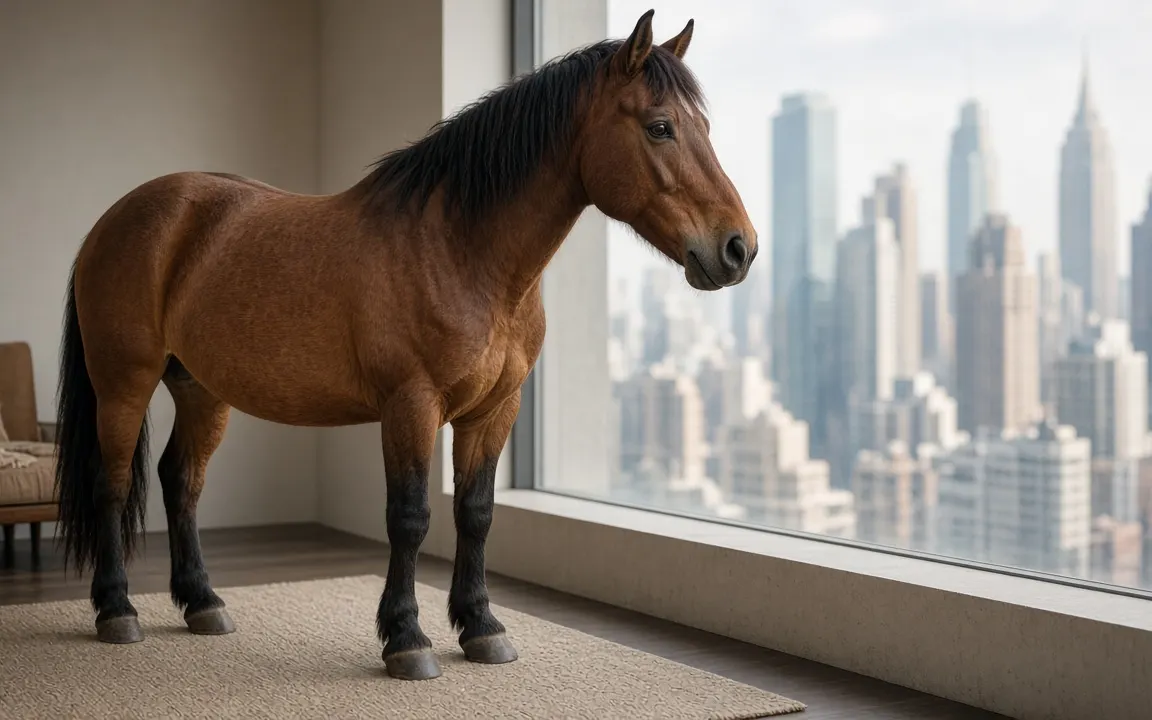
Mesa, Arizona
Finding horse aftercare that reaches Mesa
Large-animal aftercare around Mesa usually comes down to a removal or rendering service, burial on your land if county rules allow, or a private cremation of the individual animal with the ashes returned, which only some providers can do for a horse. Caliche and rocky desert ground can make burial impossible without a backhoe. Check the rules with Maricopa County or your vet, and ask for a written total that includes collection.
East Mesa and the neighbouring areas toward Queen Creek and the Superstition foothills still have horse property, with backyard corrals, riding arenas and small ranches. Goats, chickens and other livestock are also common on larger lots. When a large animal dies here, heat is the urgent factor for much of the year, so tell providers the animal's weight and how a truck can reach it.
Traffic matters more than people expect. A winch truck coming from a crematory well outside Mesa may have to cross half the metro, and some providers only run into the suburbs on set days or charge extra for weekend calls. Ask for a price from the barn's exact address and for a realistic arrival window, so you can plan the vet's visit around it rather than leaving your horse waiting.
With roughly 513,656 residents, Mesa is the 3rd-largest of the 29 Arizona communities we cover.
For a second opinion on price, Gilbert (5 miles), Tempe (6 miles) and Chandler (8 miles) are close enough that their providers cover Mesa routinely. Two written quotes tell you more than any price list.
80.7%[1]
The NFDA projected Arizona's cremation rate at 80.7% for 2024.
6.6 million[2]
There were an estimated 6.6 million horses in the United States in 2023, down from 7.2 million in 2017.
$600-$1,000[3]
Cremating a 1,000-pound horse was reported to cost about $600-$1,000, depending on location and the price of propane.
3-5% of body weight[4]
Embrace notes cremated remains typically weigh about 3-5% of the pet's original body weight.
To check the figures yourself, see Extension Horses (eXtension national Cooperative Extension) and American Horse Council.
Cremation in Arizona, and where horses fit
About 80.7%[1] of people in Arizona are cremated, so cremation is an ordinary, familiar choice here. That familiarity carries over to animals, but horses are a special case. A dog's cremation is a quick errand; a horse's involves a large-animal chamber, a winch truck and often a long haul. Plenty of local owners still choose it, especially boarders with no land for burial who want something to bring home.
For the Arizona figure we rely on NFDA 2024 Cremation & Burial Report state projections (via Occasional Sage) (2024). Read it as a picture of local custom around death and remembrance in Mesa rather than as pet data.
What the seasons mean for a horse in Mesa
Mesa summers are hot, with July highs averaging about 107°F. A horse's body can't be brought indoors or cooled the way a dog's can, so in the warmer months the clock runs fast. If a death happens in the heat, call your provider straight away, ask for same-day collection and cover the body with a light-colored tarp or sheet, in shade if you can rig some.
Keep a spare tarp, an old halter you don't mind parting with and the numbers of your vet and one collection service on a card in the barn office. In a Mesa summer, when highs sit around 107°F, you don't want to lose an hour hunting for any of them while the day warms up.

Cremation, burial or rendering: the costs
Extension specialists have reported about $600-$1,000[3] to cremate a 1,000 lb horse, depending on location and the price of propane. That's before transport, which is often the second-biggest line on a quote in Mesa because equine crematories are few and far apart. The table shows every main option, since many owners compare cremation with burial, rendering and composting before deciding.
For a line-by-line price table, see the Arizona overview; for what's included in each option, see our services.

Free tool
Horse aftercare cost comparison
Compare equine cremation, burial, rendering and composting side by side.
Before anyone digs: the rules in Arizona
Some places write very exact rules. Minnesota, for instance, wants a buried horse kept 5 feet above the high water level, under 3 feet of soil[6] (University of Minnesota Extension). Others rely on general guidance. Find out which kind Arizona has before anyone digs, because a precise rule is easy to break by accident.
Mesa's own guidance is published by City of Mesa Police Department; it covers public collection, which is separate from arranging a private cremation. Not sure which office covers Mesa? The Arizona local government directory is the official list.
Start with the Arizona rules, which cover burial, scattering and oversight for the whole state, and treat Mesa's local ordinances as a possible extra layer.
The first day, step by step
- Decide what you want back: the ashes, a grave on your land, or only a braid and a shoe. Answering that cuts the list right down.
- Check what exists near you: an equine crematory, a renderer or fallen-stock collector, a backhoe operator, or room to compost.
- Check the rules with your county, state or council on burying or composting at home, and do it before you decide.
- Get two written quotes for the option you prefer, each including collection from your address.
- Ask the hard questions: will my horse be cremated alone, what tag or record follows the body, and will every bit of ash come home?
- Take keepsakes before collection, whichever route you choose.
- Plan for the ashes: a horse returns roughly 33 to 55 lb, far more than a standard urn holds.
Tail braids, shoes and scattering the ashes
Summer monsoon storms around Mesa bring dust storms, sudden downpours and flooded washes, which can block dirt roads to corrals and small ranches. If you are caring for an ageing horse or older livestock, plan with your vet ahead of time: where a vehicle can reach, which option you would choose, and who to call. That removes stress on a hard day.
use the free tools before you ring anyone, the guides answer the longer questions and the blog the newer ones, or compare your instinct with the poll results, Our services overview lays out every option side by side. More local pages: Tucson, Gilbert, Glendale and Chandler, the Arizona overview and every city in the United States.

Reader polls
What would you choose?
Vote anonymously and see how other readers answered. The results are live counts from people who visit this site, so they show real opinions, not a scientific sample.
If you had to decide today, what would you choose for your horse?
Tap an answer to vote and see how others answered. Anonymous.
Is your horse a senior, and have you made an aftercare plan?
Tap an answer to vote and see how others answered. Anonymous.
If you had to decide today, which aftercare would you choose for your pet?
Tap an answer to vote and see how others answered. Anonymous.

Free tools to help you plan
Horse aftercare cost comparison
Compare equine cremation, burial, rendering and composting side by side.

Aftercare options compared
Compare private, communal and water cremation with burial on cost, timing and what comes home.

Ashes weight estimator
See roughly how much ash to expect back, by species and body weight.
Questions people ask
When is the hardest time of year to arrange a burial in Mesa?
There is no frozen-ground season here; average lows stay above freezing all year. The other pressure point is July, when highs around 107°F mean a body needs cooling and collecting quickly.
Which nearby towns can I compare with Mesa?
The closest communities we cover are Gilbert (about 5 miles), Tempe (about 6 miles) and Chandler (about 8 miles). Providers based in those places often serve Mesa too. Ask each one for a written total that includes collection, so the distance is priced in.
How do Arizona attitudes to cremation compare?
NFDA 2024 Cremation & Burial Report state projections (via Occasional Sage) (2024) puts the Arizona human cremation rate at about 80.7%[1]. We show it on the Mesa page because pet aftercare choices tend to track it: where cremation is normal for people, communal and private pet cremation are both easy to find.
What if I can't afford horse cremation?
You have lower-cost options that are still respectful. Rendering pickup typically runs $75-$200[7], and by our estimate composting saves about $525[5] over cremation at midpoint prices. Ask your vet whether they know of a payment plan, and whether a rescue or a vet school program operates nearby. Whatever you choose, save some tail hair and a shoe before collection.
Does it matter where the euthanasia happens?
It matters a great deal for what comes next. Choose a level, firm spot near a gate, the barn or the lane, where a truck can get close. If you plan to bury, choose a place a backhoe can reach from the grave site. Talk it through with your vet; they'll help you pick somewhere gentle for your horse and practical afterwards.
Is rendering available near Mesa?
It depends on where you are. Only about 50%[8] of US states have rendering plants, most of them in the Midwest, and some no longer accept horses or charge more for euthanized ones because of drug residues. Where it's available, pickup typically costs $75-$200[7]. Ask your vet or the state agriculture office whether a renderer serves Mesa.


Sources and our estimates
- [1] The NFDA projected Arizona's cremation rate at 80.7% for 2024. NFDA 2024 Cremation & Burial Report state projections (via Occasional Sage), 2024.
- [2] There were an estimated 6.6 million horses in the United States in 2023, down from 7.2 million in 2017. American Horse Council - 2023 National Equine Economic Impact Study release, 2023.
- [3] Cremating a 1,000-pound horse was reported to cost about $600-$1,000, depending on location and the price of propane. Extension Horses (eXtension national Cooperative Extension) - Horse Disposal Options, 2019, 2019.
- [4] Embrace notes cremated remains typically weigh about 3-5% of the pet's original body weight. Embrace Pet Insurance - Bury or Cremate Your Dog? Costs, Pros & Cons, 2025.
- [5] Choosing on-farm composting instead of cremation saves a horse owner roughly $525 at midpoint prices (2012-2019 extension figures, not inflation-adjusted). Our estimate: $800 cremation midpoint - $275 composting midpoint. How we calculate.
- [6] Minnesota Board of Animal Health rules require buried horses to be 5 feet above the high water level, covered with 3 feet of soil, and in soils more than 10 feet from bedrock. University of Minnesota Extension - Horse carcass disposal (Martinson & Wilson, reviewed 2022), 2022.
- [7] Rendering companies typically charge a pickup fee of $75-$200 to remove a horse carcass, depending on location. Extension Horses (eXtension national Cooperative Extension) - Horse Disposal Options, 2019, 2019.
- [8] Only about 50% of U.S. states have rendering plants, most of them concentrated in the Midwest. Extension Horses (eXtension national Cooperative Extension) - Horse Disposal Options, 2019, 2019.
Tell us about your horse
Tell us what you need and where you are. We'll reply by email with clear options and prices so you can decide in your own time.