Horse cremation and aftercare in Chandler
Cremation, burial, rendering or composting: for a horse in Chandler, the right choice depends on land, distance and budget. Here's how each works locally and what it usually costs.
- Straight answers on trucks, gates and ground
- Written totals that include the haul
- Keepsakes saved before collection
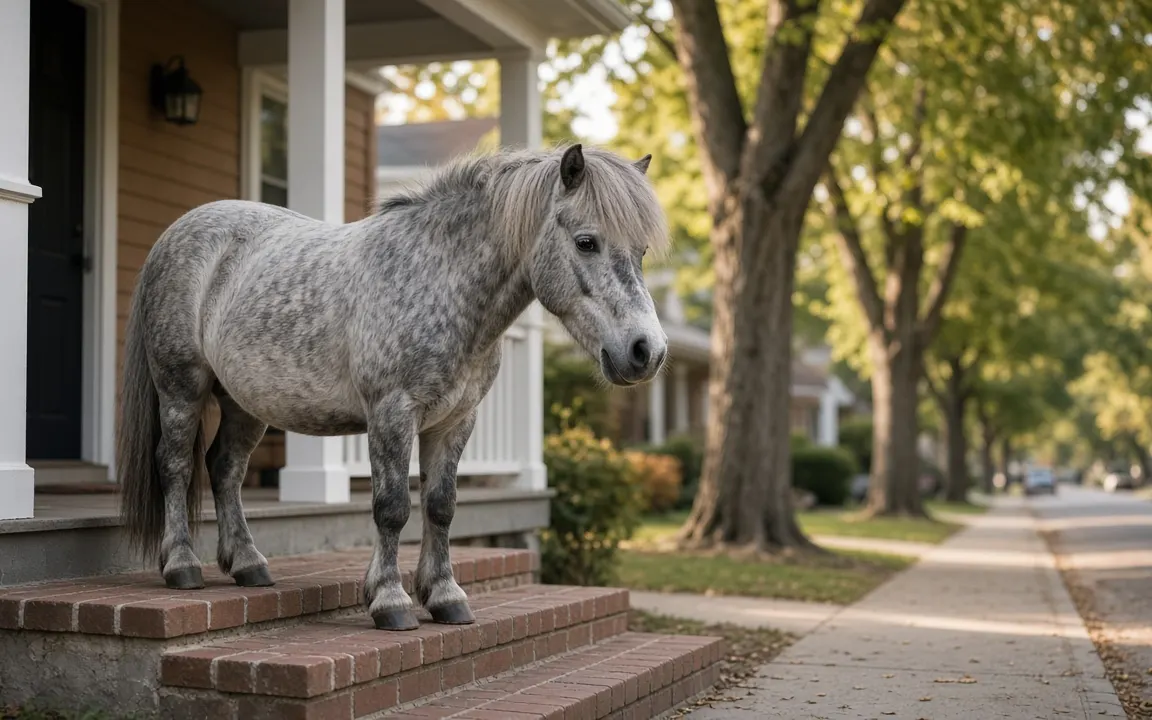
Chandler, Arizona
Horse aftercare in Chandler: the local picture
Heat is the main practical concern for large animals in the Phoenix area. A horse or cow that dies in summer needs attention within hours, and burying one is difficult in caliche soil and often not allowed on smaller lots. When you ask for options, describe where the animal is lying, the gate width and whether a truck can reach it.
Arizona's strong horse culture means many East Valley families keep horses for trail riding, rodeo or showing, along with goats, pigs and sheep for 4-H. Having a horse cremated alone, with the ashes returned, is possible in the Valley but limited and costly. Planning ahead takes pressure off the day itself. Make it clear from the outset if you'd like the ashes returned.
If you keep your horse at home near Chandler, you may have more choices than a boarder: burial might be possible, composting might be possible, and you choose the spot for the goodbye. Each comes with conditions. Burial needs a very large hole, suitable soil and distance from wells; composting needs space, carbon material and most of a year. Cremation needs only a truck that can reach you and a budget for it.
With roughly 278,748 residents, Chandler is the 5th-largest of the 29 Arizona communities we cover. The nearest larger centre is Gilbert, about 4 miles (7 km) away, which is where some providers serving Chandler are based.
Our pages for Gilbert (4 miles), Mesa (8 miles) and Tempe (10 miles) describe the same choices from those towns' point of view, and the providers overlap, so a quote from one often covers Chandler as well.
80.7%[1]
The NFDA projected Arizona's cremation rate at 80.7% for 2024.
6.6 million[2]
There were an estimated 6.6 million horses in the United States in 2023, down from 7.2 million in 2017.
$600-$1,000[3]
Cremating a 1,000-pound horse was reported to cost about $600-$1,000, depending on location and the price of propane.
3-5% of body weight[4]
Embrace notes cremated remains typically weigh about 3-5% of the pet's original body weight.
We built the this numbers from Embrace Pet Insurance and American Horse Council, and both are worth a look if you want the detail.
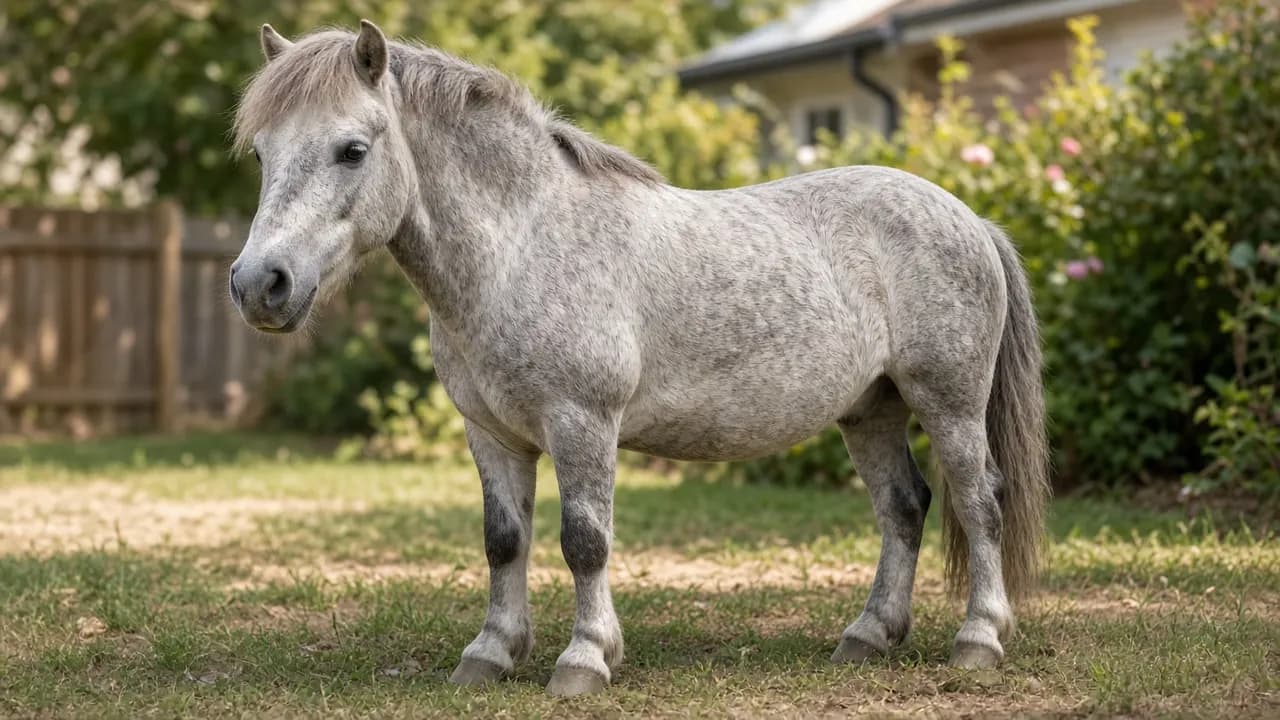
Farm burial, cremation and local habits
In Arizona, about 80.7%[1] of people are cremated, one of the higher rates around. Families here rarely need convincing that cremation is a dignified choice. For a horse, the harder questions are practical: is there an equine-capable chamber within reach, what will the haul cost, and would you rather scatter the ashes over a favorite field or keep a small urn in the tack room?
We take the Arizona rate from NFDA 2024 Cremation & Burial Report state projections (via Occasional Sage) (2024). It is a human statistic; there is no equivalent pet figure for Chandler, and we would rather show a real number than invent one.
Weather, ground and truck access in Chandler
Keep other horses away from the body once they've had a few minutes to see it, and keep dogs away altogether. If your horse was put to sleep with a barbiturate, the body stays toxic to scavengers; US drug labels have carried that warning since 2003[5]. In hot weather especially, never leave a horse uncovered overnight while you wait for a truck.
In the hottest months (April, May, June, July, August, September and October), schedule a planned euthanasia for early morning. The ground is firmer, the air is cooler, the vet and the driver are fresher, and you're not racing the afternoon heat. Many owners book the truck for the same morning too, so their horse isn't left in a paddock through the hottest part of the day.

Cremation, burial or rendering: the costs
The prices below are national extension figures, not quotes from local providers, and they haven't been adjusted for inflation, so treat them as a floor. Fuel, distance and weekend calls all push totals up. A written quote from your barn's address, listing collection, cremation and the container, is the only number worth relying on.
For a line-by-line price table, see the Arizona overview; for what's included in each option, see our services.

Free tool
Horse aftercare cost comparison
Compare equine cremation, burial, rendering and composting side by side.
Before anyone digs: the rules in Arizona
Distance from water is the detail regulators care about most, and the numbers differ more than people expect. England asks for at least 50 m between a buried horse and any well, borehole or spring (GOV.UK), which is about 164 ft[7] by our estimate, while US extension guidance talks of 100 yards from wells and streams[8]. Here's what applies in Arizona.
To find your county or city office in Arizona, start with the official Arizona local government directory.
Start with the Arizona rules, which cover burial, scattering and oversight for the whole state, and treat Chandler's local ordinances as a possible extra layer.
A plan you can leave at the barn
- Tell your child plainly and gently, and say "died" or "dead" instead of softer phrases such as "went away" or "put to sleep".
- Let them choose whether to say goodbye, then offer a small task if they'd like one, such as grooming the mane or choosing a ribbon for the tail.
- Save something just for them: a braid of tail, a small shoe, the rosettes from the last show.
- Say goodbye before the truck arrives. Most children do better somewhere else while the pony is loaded.
- Plan a small ritual for when the ashes come home, perhaps a handful scattered in the field or a shrub planted in the pony's memory.
- Let the pony club, the instructor and the school know, then the adults around your child can make sense of a quiet few weeks.
- Leave talk of a new pony aside until your child brings it up.
Ashes, keepsakes and a place to visit
Chandler grew up as a farm town, with cotton fields and dairies, and it still holds an annual Ostrich Festival that recalls its ostrich-ranching past. Today most farmland has become neighborhoods, but horse properties and small acreages remain on the city's southern edges and in nearby communities. If your horse, goat, pig or other large animal is kept there, tell us the address and describe the access.
use the free tools before you ring anyone, the guides answer the longer questions and the blog the newer ones, Compare every option on our services page, or compare your instinct with the poll results. More local pages: Scottsdale, Mesa, Glendale and Gilbert, the Arizona overview and every city in the United States.

Reader polls
What would you choose?
Vote anonymously and see how other readers answered. The results are live counts from people who visit this site, so they show real opinions, not a scientific sample.
Where would you want your horse's last moments to be?
Tap an answer to vote and see how others answered. Anonymous.
If you had to decide today, what would you choose for your horse?
Tap an answer to vote and see how others answered. Anonymous.
If you had to decide today, which aftercare would you choose for your pet?
Tap an answer to vote and see how others answered. Anonymous.

Free tools to help you plan
Horse aftercare cost comparison
Compare equine cremation, burial, rendering and composting side by side.

Aftercare options compared
Compare private, communal and water cremation with burial on cost, timing and what comes home.

Ashes weight estimator
See roughly how much ash to expect back, by species and body weight.
Questions people ask
Will I have to travel to Gilbert to arrange things?
Not usually. Providers based in Gilbert (roughly 4 miles from Chandler) collect from here as a matter of routine, and the paperwork is done by email or phone. If you want to be present for a witnessed cremation, that is when the drive matters.
How does Chandler's weather affect horse aftercare?
July is the hottest month in Chandler, with average highs around 107°F, so prompt collection matters most then. Winters are mild, with average lows staying above freezing, so outdoor burial or scattering is usually possible year round.
How do Arizona attitudes to cremation compare?
NFDA 2024 Cremation & Burial Report state projections (via Occasional Sage) (2024) puts the Arizona human cremation rate at about 80.7%[1]. We show it on the Chandler page because pet aftercare choices tend to track it: where cremation is normal for people, communal and private pet cremation are both easy to find.
Which nearby towns can I compare with Chandler?
The closest communities we cover are Gilbert (about 4 miles), Mesa (about 8 miles) and Tempe (about 10 miles). Providers based in those places often serve Chandler too. Ask each one for a written total that includes collection, so the distance is priced in.
Who collects a dead horse near Chandler?
It depends on what operates locally: an equine crematory, a renderer or fallen-stock hauler, a contractor with a backhoe for burial, or sometimes a landfill that accepts horses. Your large-animal vet will know which of these actually come out to farms around Chandler. Ask them now, while there's no hurry, and keep the numbers in the barn office.
Will I get all of my horse's ashes back?
Ask, because practices differ. A horse's cremated remains weigh roughly 3-5% of body weight[4], so an 1,100 lb horse leaves around 33 to 55 lb. Some providers return everything; others return a set portion and scatter the rest. Get the answer in writing, along with how your horse is identified from collection to return.


Sources and our estimates
- [1] The NFDA projected Arizona's cremation rate at 80.7% for 2024. NFDA 2024 Cremation & Burial Report state projections (via Occasional Sage), 2024.
- [2] There were an estimated 6.6 million horses in the United States in 2023, down from 7.2 million in 2017. American Horse Council - 2023 National Equine Economic Impact Study release, 2023.
- [3] Cremating a 1,000-pound horse was reported to cost about $600-$1,000, depending on location and the price of propane. Extension Horses (eXtension national Cooperative Extension) - Horse Disposal Options, 2019, 2019.
- [4] Embrace notes cremated remains typically weigh about 3-5% of the pet's original body weight. Embrace Pet Insurance - Bury or Cremate Your Dog? Costs, Pros & Cons, 2025.
- [5] Since 2003 the FDA has required euthanasia drug labels to warn that euthanized animals must be disposed of by deep burial, incineration or another approved method to keep scavenging wildlife from eating the carcass. Cornell Waste Management Institute & Penn State - Horse Mortality: Carcass Disposal Alternatives (2012), 2003.
- [6] At an average rate of 250 lb per hour, the burn phase for a 1,100 lb horse would take at least about 4.4 hours, not counting preheating and cool-down. Our estimate: 1,100 lb / 250 lb per hour. How we calculate.
- [7] England's 50 m well setback for burying a horse equals about 164 feet, 1.6 times Pennsylvania's 100-foot minimum setback from wells. Our estimate: 50 m x 3.2808 ft/m; 164 / 100. How we calculate.
- [8] Extension guidance recommends a horse burial trench about 7 feet wide and 9 feet deep, covered by 3-4 feet of soil, and no fewer than 100 yards from wells and streams. Extension Horses (eXtension national Cooperative Extension) - Horse Disposal Options, 2019, 2019.
Tell us about your horse
Tell us what you need and where you are. We'll reply by email with clear options and prices so you can decide in your own time.