Horse Cremation in England
Whether your horse is at home, at a boarding barn or at an equine hospital, you have more choices than you might think in England. This page explains each one in plain English.
- Plan ahead for a senior horse
- Weather and timing advice for England
- Options when the nearest chamber is far
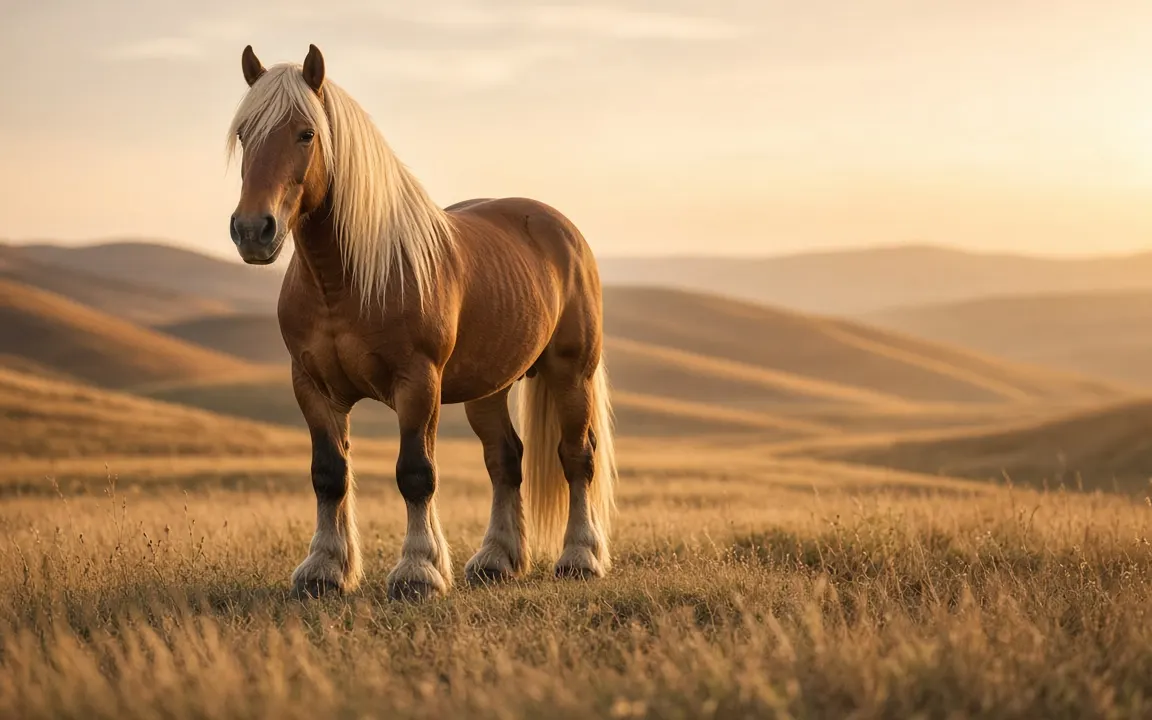
England, the United Kingdom
Horse Cremation in England: what to know
Horse aftercare across England depends more on geography than on anything else. Owners near a large-animal crematory can have a horse collected the same day; owners a few hours away may wait for a scheduled route, or choose burial, rendering or composting instead. This page gives you the picture for England as a whole, and each city page adds local weather, costs and access advice.
Many horse owners in England board rather than keep horses at home, especially near the bigger towns. Boarding changes the plan: the barn owner controls the gates, the equipment and whether burial is allowed at all. If that's you, the most useful thing you can do today is ask your barn manager what happens when a horse dies there.
We cover 33 communities in England, from London, Birmingham and Leeds to smaller towns.
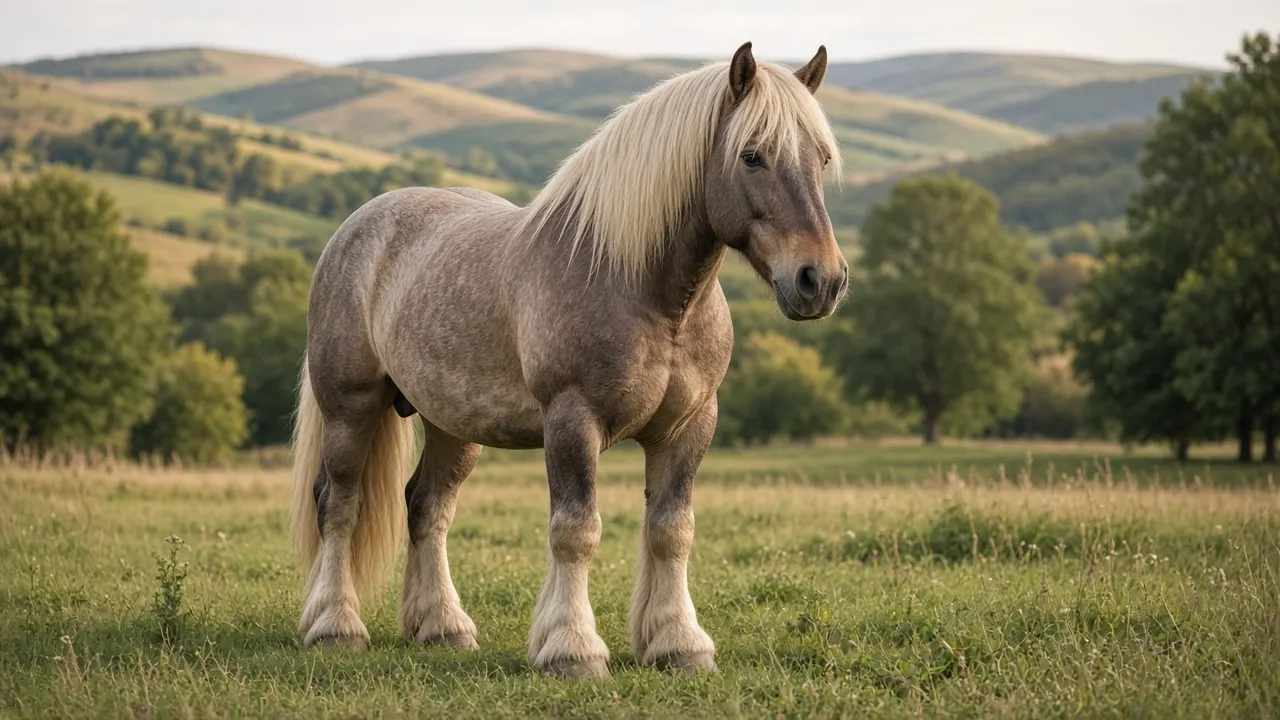

Every England community we cover
Choose your city or town for local prices, weather and timing, and rules. 33 communities in England, largest first below.
Cremation habits in England, and your horse
In England, where about 83.0%[1] of people are cremated, most families have collected an urn from a funeral home at some point and have a picture of how it goes. A horse's return is heavier and slower. Expect a sizable container rather than a small box, a longer wait than for a dog, and possibly a drive to pick it up. Knowing that ahead of time avoids a jolt on the day.
Federation of Burial and Cremation Authorities (FBCA) death & cremation statistics (2024) publishes the England rate we quote. Read it as the local custom around cremation rather than as pet data.
Where the money goes: haul, chamber and extras
In the UK, collection distance drives the price as much as the cremation does. An equine crematorium may be a long way from your yard, and some collect only in set areas. When you ask for a quote, give the yard's postcode, your horse's approximate weight and whether a lorry can get close. The table shows the routes available in England and what the rules say.
Before you compare a cremation quote near England, it helps to know the cheaper routes the law allows. In England you can bury a pet horse at home if the site meets the groundwater rules (GOV.UK), so the cost is digger hire and your time. A fallen-stock collector costs less again, but returns nothing.
| Route | What the rules and prices say | What comes back |
|---|---|---|
| Individual cremation | Quoted per horse; UK pet cremation overall runs GBP 50 to GBP 300+[2], and a horse costs well above that | Your horse's ashes |
| Fallen-stock collection (knacker, hunt kennel, renderer) | One of 5 approved routes[3] in England | Nothing returned |
| Burial of a pet horse at home | Allowed in England[4], at least 50 m from any well, borehole or spring[5] | A grave on your land |
| Source | GOV.UK: fallen stock | GOV.UK: animal burials |
None of the figures on this this page are ours alone: they rest on GOV.UK (Defra/APHA) and UK Competition and Markets Authority.

Free tool
Horse aftercare cost comparison
Compare equine cremation, burial, rendering and composting side by side.
Rules worth knowing in England
Horses are treated differently from dogs and cats in most places. Burying or disposing of a body this size is usually covered by agricultural or environmental rules, not just pet guidance, and those set depth, distance from water and how quickly it must happen. Cremation itself needs no permit from you; burial, composting and scattering are where local rules come in. Here's what we know for England.
In England, pet and non-pet horses may be buried at home, unlike fallen farm stock[4], as long as the grave is at least 50 m from any well, borehole or spring[5]. If you'd rather not bury, the approved fallen-stock routes include knackers, hunt kennels and renderers, and the National Fallen Stock Company arranges collections for horse owners[3]. Scotland, Wales and Northern Ireland have their own rules, so check locally before deciding.
- Burial at home: Confirm the rule for the actual parcel and proposed burial with the local authority and property owner.
- Scattering ashes: Ask the exact land manager about scattering before making arrangements; a general gathering permission is a separate matter.
- Who oversees it: the authority responsible for the specific activity and location; this guide does not identify a universal permit or licensing rule
- Worth knowing: Record the service method, release authority, identification and return instructions in writing.
A city's population does not establish which aftercare activities are allowed at an address. Check the actual site and activity before proceeding.
If it happened tomorrow: a checklist
- Tell your child plainly and gently, using the words "died" and "dead" rather than "put to sleep" or "went away".
- Let them choose whether to say goodbye, and give them a job if they want one: brushing the mane or picking a ribbon to braid in.
- Save something just for them: one little shoe, a plait of tail hair, the ribbons from their final show.
- Say goodbye before the truck arrives. It's usually kinder for a child to be away from the yard during loading.
- Plan a small ritual for when the ashes come home, perhaps a handful scattered in the field or a shrub planted in the pony's memory.
- Let the pony club, the instructor and the school know, so friends and teachers understand if your child is quiet.
- Leave talk of a new pony aside until your child brings it up.
Ashes, keepsakes and a place to visit
Some owners mark the anniversary with a memorial class at a local show, a trophy in the horse's name for the pony club, or a gift to a rescue or a vet school's equine program. It keeps your horse's name spoken in barns around England long after the stall has a new occupant, and it gives other riders a reason to remember too.
The services page compares what each option includes, the planning tools turn your animal's details into figures, and the poll results show what other families chose. All locations lists every region we cover.

Reader polls
What would you choose?
Vote anonymously and see how other readers answered. The results are live counts from people who visit this site, so they show real opinions, not a scientific sample.
Is your horse a senior, and have you made an aftercare plan?
Tap an answer to vote and see how others answered. Anonymous.
If you had to decide today, what would you choose for your horse?
Tap an answer to vote and see how others answered. Anonymous.
If you had to decide today, which aftercare would you choose for your pet?
Tap an answer to vote and see how others answered. Anonymous.

Free tools to help you plan
Horse aftercare cost comparison
Compare equine cremation, burial, rendering and composting side by side.

Aftercare options compared
Compare private, communal and water cremation with burial on cost, timing and what comes home.

Ashes weight estimator
See roughly how much ash to expect back, by species and body weight.
Questions people ask
Who should I call first if my horse dies in England?
Your equine vet, even if the death is obvious. They can confirm it, advise on whether a post-mortem is worthwhile and often suggest who collects locally. Next, call your insurer if your horse is covered, then the barn if your horse is boarded. Only then book the provider, giving them your exact address and a description of the access.
What are the options for a horse in England?
In England, pet horses may be buried at home if the grave is at least 50 m from any well, borehole or spring[5]. Fallen-stock collectors, including knackers, hunt kennels and renderers, offer a lower-cost route that returns nothing, and specialist equine crematoria offer individual cremation. Scotland, Wales and Northern Ireland have their own rules.
Is there an equine crematory in England?
There may be one or more, but large-animal chambers are few and far apart, and the nearest to your farm may be across a state or regional border. Tell us where your horse is and we'll look for providers that can take a full-size horse and reach you, wherever they're based.
Should I plan ahead for an older horse?
It helps a great deal. Choose a provider now, check that a truck can reach your barn in every season, note your budget and whether you want the tail and a shoe saved, and leave the plan with whoever cares for your horse day to day. Horses aged 20 and over have the highest yearly death rate in USDA data, 3.1%[7].
Can a boarding barn refuse to allow burial?
Yes. The landowner decides what happens on their property, and many boarding barns don't allow burial because of space, wells and neighbors. Most will help with access for a collection truck. If your horse is boarded anywhere in England, ask the barn manager what their usual arrangement is before you need it.
Do I have to notify anyone when my horse dies in England?
Usually yes, if your horse has official identification. Across much of Europe and the UK, the passport must be returned to the body that issued it, and some countries record equine deaths centrally. Your vet will know what applies in England and who needs to be told.

Sources and our estimates
- [1] In 2024, 83.0% of deaths in England & Wales ended in cremation. Federation of Burial and Cremation Authorities (FBCA) death & cremation statistics, 2024.
- [2] UK cremation prices range from about GBP 50 for a communal cremation of a small pet to over GBP 300 for an individual cremation of a large pet (CMA). UK Competition and Markets Authority - Veterinary services for household pets, Provisional decision report Part A (Oct 2025), 2025.
- [3] England's approved routes for fallen stock are knackers, hunt kennels, maggot farms, incinerators and renderers; the not-for-profit National Fallen Stock Company runs collections for farmers and horse owners. GOV.UK (Defra/APHA) - Fallen stock guidance, 2024.
- [4] England bans the burial or open burning of fallen farm stock, but pet animals may be buried, and England (unlike Scotland and Wales) allows burial of both pet and non-pet horses. GOV.UK (Defra/APHA) - Fallen stock guidance, 2024.
- [5] In England, a buried horse or other large pet must be at least 50 m from any well, borehole or spring; most other animal burials need 250 m from drinking-water sources, 30 m from watercourses and 10 m from field drains. GOV.UK (Environment Agency) - Animal burials: prevent groundwater pollution, 2024.
- [6] At an average rate of 250 lb per hour, the burn phase for a 1,100 lb horse would take at least about 4.4 hours, not counting preheating and cool-down. Our estimate: 1,100 lb / 250 lb per hour. How we calculate.
- [7] Equids aged 20 years or older had a 3.1% annual mortality rate in the 2015 NAHMS study, the highest of any age group. USDA APHIS NAHMS - Equine Mortality in the United States, 2015 (published Feb 2017), 2015.
Get horse cremation options in England
Tell us what you need and where you are. We'll reply by email with clear options and prices so you can decide in your own time.