Horse aftercare near Mississauga: cremation, burial and more
Losing a horse is a practical emergency as well as a heartbreak. This guide for Mississauga covers the first hours, the truck, the costs and the keepsakes you'll want to save.
- Straight answers on trucks, gates and ground
- Written totals that include the haul
- Keepsakes saved before collection
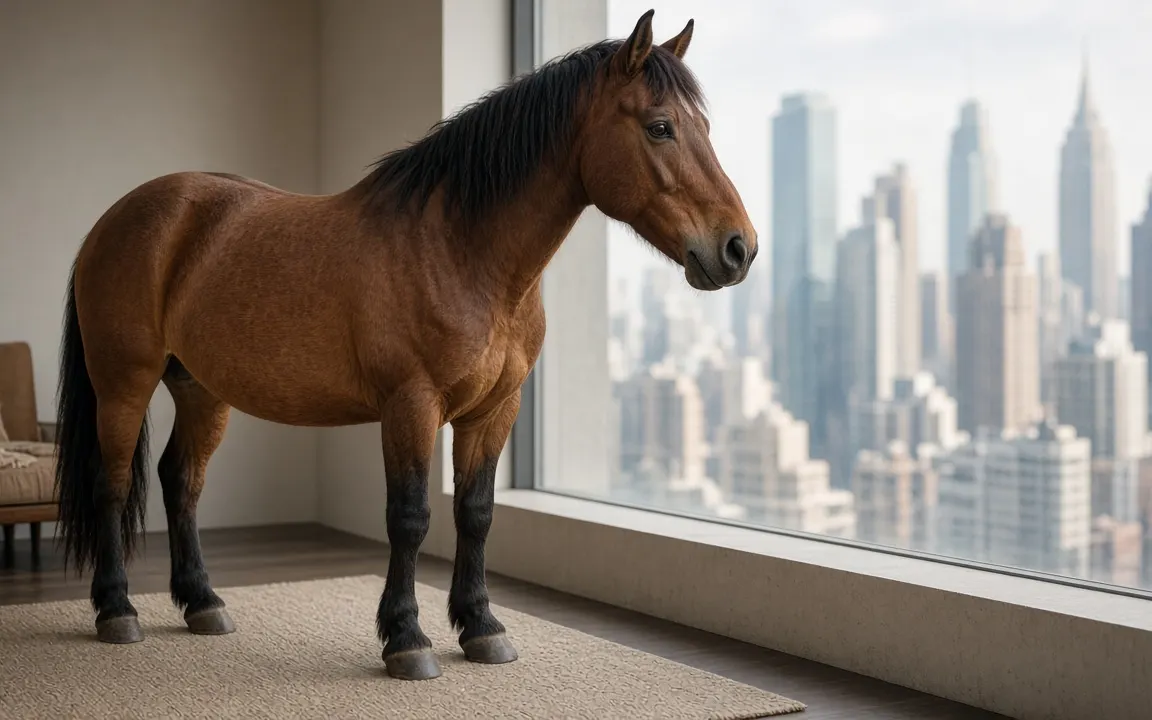
Mississauga, Ontario
Horse aftercare in Mississauga: the local picture
Snow and frozen ground in winter, followed by muddy spring thaw, can make it hard for a truck to reach a large animal on a farm north of Mississauga. When arranging collection, explain whether the horse, cow or goat is in a barn or out in a field, the distance from a paved lane and the condition of gates. Quick action matters more in humid summer heat.
Mississauga itself is almost entirely urban, but Caledon to the north is one of Ontario's best-known horse areas, and Caledon and Halton Hills together hold beef and sheep farms, hobby farms with goats and alpacas, and a few farm sanctuaries. A death on one of those properties is normally handled by the farm owner with advice from a large-animal vet. Individual cremation is limited and may involve travel.
Suburban boarding barns near Mississauga rarely have room, or permission, for a burial. Paddocks are small, wells and neighbors are close, and the land usually belongs to someone else. That's why cremation, rendering or a fallen-stock collection are the realistic choices for most city-based owners. If keeping your horse near you matters, cremation is the only route that brings something home to an apartment or a townhouse.
With roughly 721,000 residents, Mississauga is the 3rd-largest of the 15 Ontario communities we cover.
For a second opinion on price, Oakville (9 miles), Brampton (11 miles) and Toronto (14 miles, a larger centre) are close enough that their providers cover Mississauga routinely. Two written quotes tell you more than any price list.
81.1%[1]
CANA projects the Canadian cremation rate will reach 81.1% by 2030.
6.6 million[2]
There were an estimated 6.6 million horses in the United States in 2023, down from 7.2 million in 2017.
$600-$1,000[3]
Cremating a 1,000-pound horse was reported to cost about $600-$1,000, depending on location and the price of propane.
3-5% of body weight[4]
Embrace notes cremated remains typically weigh about 3-5% of the pet's original body weight.
If a number here surprises you, the primary material is American Horse Council and Embrace Pet Insurance; we only apply it to this.
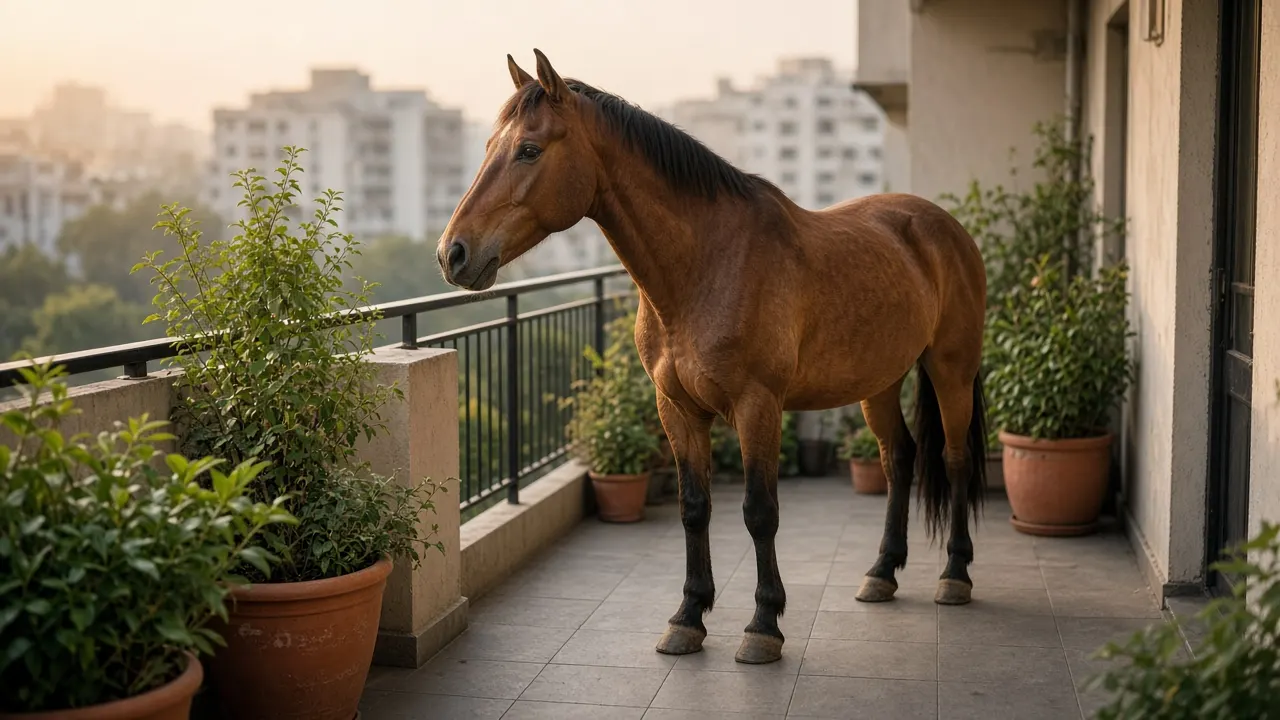
What owners in Canada tend to choose
Cremation is the norm for about 81.1%[1] of people in Canada, so plenty of families have already used a local pet crematory for a dog or cat, and it's the first number they ring when the horse dies. Most will kindly say they can't help, because their chamber is far too small. They'll often know who can, though, so the call isn't wasted.
For the Canada figure we rely on CANA Industry Statistical Information (2030). Read it as a picture of local custom around death and remembrance in Mississauga rather than as pet data.
How the season changes your options in Mississauga
Weather affects two things for horse owners in Mississauga: how quickly the body must be moved, and whether a truck or backhoe can reach it. Heat shortens the time; rain and snow soften or block the route. Your provider will know local conditions well, so ask what they'd suggest at this time of year.

How much to budget, including the haul
If Mississauga is close to the US border, a US provider may be the nearest large-animal chamber on the map. Moving a carcass between countries brings animal-health paperwork, though, so a Canadian provider is almost always the practical choice. Ask for a total in CAD with GST or HST included, and whether winter access adds anything.
We keep the detailed Ontario price table on one page so it stays current: see Ontario prices.

Free tool
Horse aftercare cost comparison
Compare equine cremation, burial, rendering and composting side by side.
Setbacks, depth and timing in Ontario
Paperwork matters too. In the UK and much of Europe, a horse's passport has to be returned to the organization that issued it after death, and collectors may ask to see it. In the US, a vet's note of the date and cause of death helps if an insurer, a renderer or a landfill asks. Keep those papers with your plan. Here are the local notes for Ontario.
In Canada, rules on burying or disposing of a horse are set by provinces and municipalities, and deadstock collection operates in some regions but not others. Winter is the big factor: frozen ground can rule out burial for months across much of the country. Ask your equine vet which large-animal crematories and collectors actually reach your area, and what they charge for the haul.
For Ontario's rules on burying a pet at home or scattering ashes, see the Ontario guide. Local rules in Mississauga can be stricter than the state's, especially in homeowners' associations and rentals.
Who to call, and in what order
- Check from a distance first when you discover your horse on the ground. Watch the flank for breath before you approach, and stay clear of the legs.
- Call the vet even when death is obvious. An unexplained death may be worth a post-mortem, and your vet can say whether it is.
- Ring your insurer before the body leaves, if your horse has mortality cover. Many policies want to hear first and may ask for an examination.
- Take a few photos showing the position and the place, for the vet and the insurer, and only then cover the body.
- Move the other horses to a stable or far field once they've spent a few minutes with their companion.
- Ask how a post-mortem affects getting the ashes back, since a diagnostic lab may arrange disposal on its own.
- Book collection once those decisions are made, and give the driver a firm route to the spot.
Ashes, keepsakes and a place to visit
Families who keep animals in Caledon or Halton Hills often have years of shows, 4-H projects and farm chores behind them. Before the truck comes, set aside what you want to keep, perhaps a braid of mane, the fair halter, an ear tag or a cow bell. Some owners also sponsor a bench or plant a tree on the property. A framed ribbon from a favorite fair also makes a fitting memento.
or compare your instinct with the poll results, For a plain comparison of the choices, open services, look through our guides and the blog, run the numbers with the free planning tools. Close to Mississauga we also cover Hamilton, Markham, Toronto and Brampton; the full list for Ontario and for Canada is a click away.

Reader polls
What would you choose?
Vote anonymously and see how other readers answered. The results are live counts from people who visit this site, so they show real opinions, not a scientific sample.
Where would you want your horse's last moments to be?
Tap an answer to vote and see how others answered. Anonymous.
What worries you most about horse aftercare?
Tap an answer to vote and see how others answered. Anonymous.
If you had to decide today, which aftercare would you choose for your pet?
Tap an answer to vote and see how others answered. Anonymous.

Free tools to help you plan
Horse aftercare cost comparison
Compare equine cremation, burial, rendering and composting side by side.

Aftercare options compared
Compare private, communal and water cremation with burial on cost, timing and what comes home.

Ashes weight estimator
See roughly how much ash to expect back, by species and body weight.
Questions people ask
How do Canada attitudes to cremation compare?
CANA Industry Statistical Information (2030) puts the Canada human cremation rate at about 81.1%[1]. We show it on the Mississauga page because pet aftercare choices tend to track it: where cremation is normal for people, communal and private pet cremation are both easy to find.
Can a provider from a neighbouring town collect from Mississauga?
Usually yes. Oakville is about 9 miles away, Brampton is about 11 miles away and Toronto is about 14 miles away, all inside a normal collection radius. Get the mileage written into the quote so there is no surprise on the day.
What does a collection truck need to reach my horse?
A firm, reasonably level route, a gate wide enough for the vehicle and space to get within winch range of your horse. Soft pasture, steep slopes, low branches and tight turns cause most of the problems. Measure your narrowest gate and describe ground conditions on the day. Our farm access guide covers the details.
Does it matter where the euthanasia happens?
It matters a great deal for what comes next. Choose a level, firm spot near a gate, the barn or the lane, where a truck can get close. If you plan to bury, choose a place a backhoe can reach from the grave site. Talk it through with your vet; they'll help you pick somewhere gentle for your horse and practical afterwards.
How long until I get my horse's ashes back?
Longer than for a small pet. The burn phase alone takes at least 4.4 hours[6] for an 1,100 lb horse on our estimate, followed by a long cool-down and processing. Around Mississauga, distance and scheduled delivery routes add time too. Ask for an expected return date and whether the ashes will be delivered or need collecting.
My horse is at a boarding barn near Mississauga. Who decides what happens?
You do, as the owner, but the barn owner controls the property. They'll have a say on where euthanasia happens, whether their tractor or skid steer can help, and how quickly the body must leave. Many suburban barns won't allow burial on site. Talk to the barn manager early and leave written instructions with the office.


Sources and our estimates
- [1] CANA projects the Canadian cremation rate will reach 81.1% by 2030. CANA Industry Statistical Information, 2030.
- [2] There were an estimated 6.6 million horses in the United States in 2023, down from 7.2 million in 2017. American Horse Council - 2023 National Equine Economic Impact Study release, 2023.
- [3] Cremating a 1,000-pound horse was reported to cost about $600-$1,000, depending on location and the price of propane. Extension Horses (eXtension national Cooperative Extension) - Horse Disposal Options, 2019, 2019.
- [4] Embrace notes cremated remains typically weigh about 3-5% of the pet's original body weight. Embrace Pet Insurance - Bury or Cremate Your Dog? Costs, Pros & Cons, 2025.
- [5] A 1,100 lb horse uses about 73% of a 1,500 lb animal incinerator load, so large-animal units generally cremate one horse at a time. Our estimate: 1,100 / 1,500 x 100. How we calculate.
- [6] At an average rate of 250 lb per hour, the burn phase for a 1,100 lb horse would take at least about 4.4 hours, not counting preheating and cool-down. Our estimate: 1,100 lb / 250 lb per hour. How we calculate.
Get Mississauga horse aftercare prices by email
Tell us what you need and where you are. We'll reply by email with clear options and prices so you can decide in your own time.