Horse cremation in Renton
Losing a horse is a practical emergency as well as a heartbreak. This guide for Renton covers the first hours, the truck, the costs and the keepsakes you'll want to save.
- Plan ahead for a senior horse
- Weather and timing advice for Renton
- Options when the nearest chamber is far
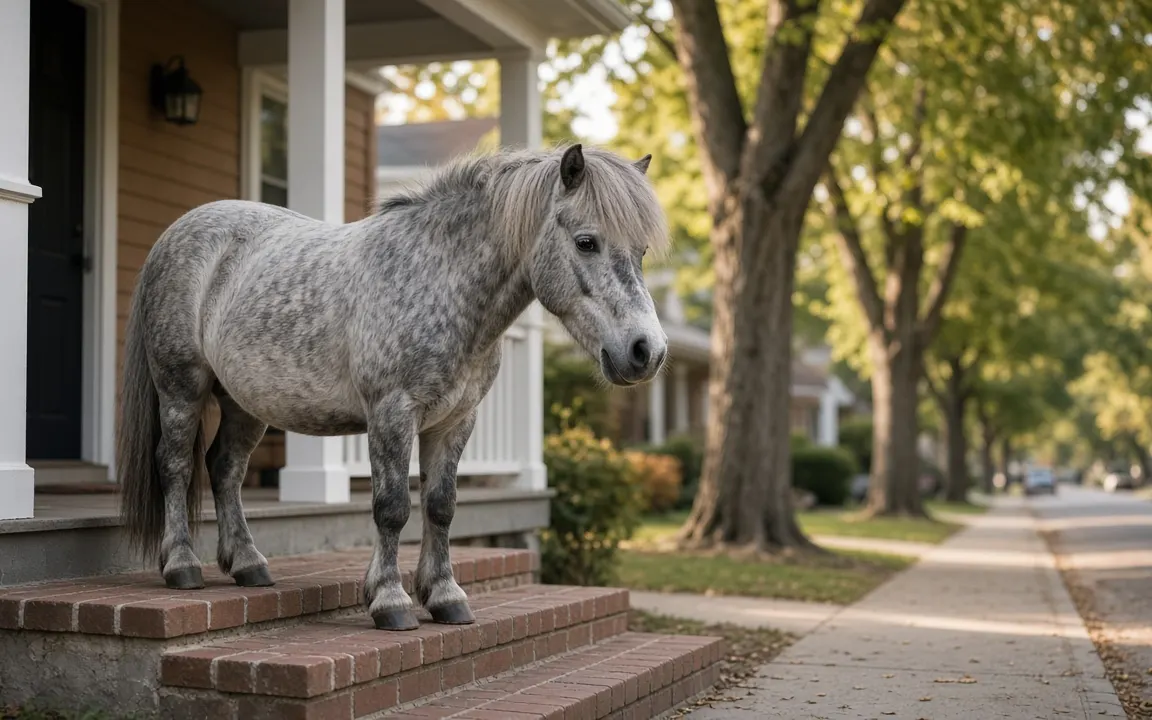
Renton, Washington
Where horses live around Renton, and why it matters
Few large animals live inside Renton itself, but head southeast toward Maple Valley, Hobart and the Enumclaw plateau and the land opens into horse acreage, small hay farms and backyard flocks. Anyone stabling a mare out that way, or raising goats on a few acres, should ask the barn or a regional hauler ahead of time who handles large-animal removal in south King County and what a winch truck costs to call out.
Private cremation of a horse, pig or alpaca is handled by only a small number of crematories around Puget Sound, and fees climb with weight and mileage. Owners often weigh it against a shared cremation or having a renderer collect, and some look into interment on their acreage under King County's rules. Saving the stall's nameplate or a clipping of forelock hair costs nothing, and it keeps a daily routine in memory.
The county extension office serving Renton is one of the most useful calls you can make, and one of the least known. Extension agents field questions about livestock burial, composting and rendering every week, and they usually know which services still operate in the county. The call is free, and they'll tell you plainly what the local rules expect of a horse owner.
About 104,975 people live in Renton, which makes it the 9th-largest of the 67 Washington communities we cover. Some of the providers who serve Renton are based about 10 miles away in Seattle, the nearest larger centre, so collection times reflect that drive.
Families in Renton often end up using a provider from Tukwila (3 miles), SeaTac (5 miles) and Burien (6 miles). That is normal: crematories serve a radius, not a single town, and the drive is priced into collection.
79.1%[1]
Washington had a 79.1% cremation rate in 2024, among the highest in the US.
6.6 million[2]
There were an estimated 6.6 million horses in the United States in 2023, down from 7.2 million in 2017.
$600-$1,000[3]
Cremating a 1,000-pound horse was reported to cost about $600-$1,000, depending on location and the price of propane.
3-5% of body weight[4]
Embrace notes cremated remains typically weigh about 3-5% of the pet's original body weight.
Where these figures come from: Embrace Pet Insurance and American Horse Council.
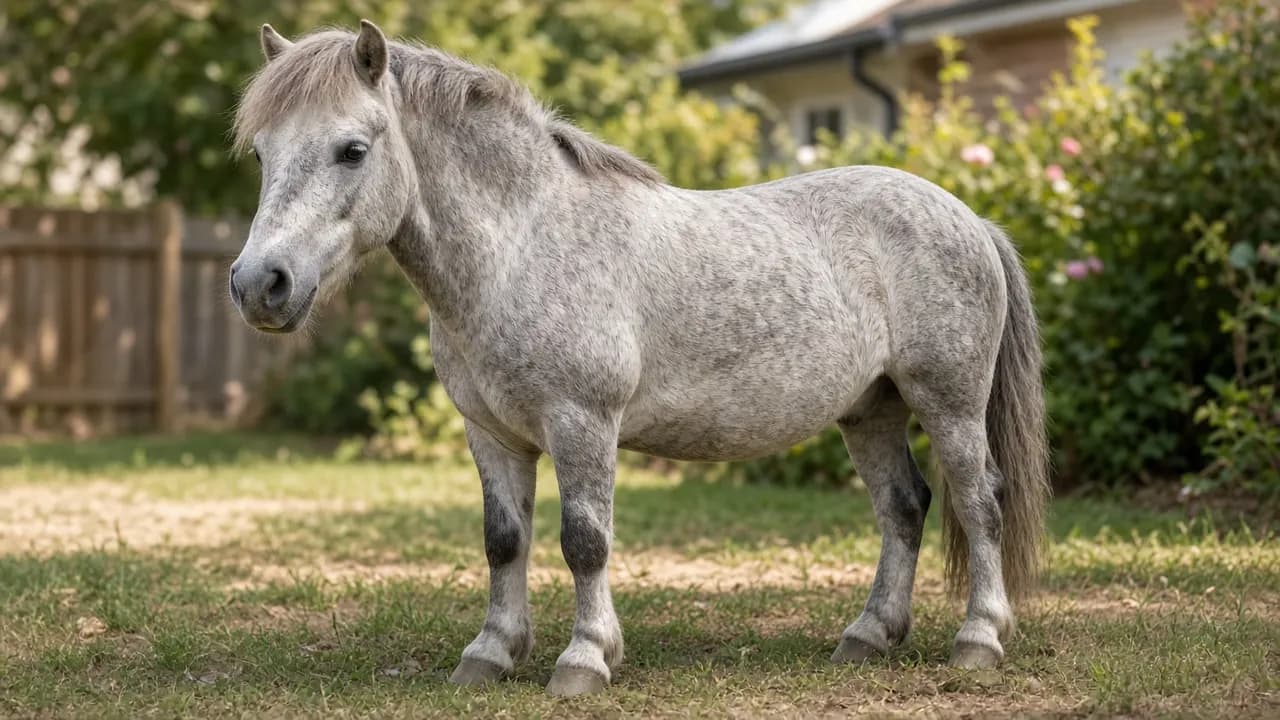
What owners in Washington tend to choose
In Washington, about 79.1%[1] of people are cremated, one of the higher rates around. Families here rarely need convincing that cremation is a dignified choice. For a horse, the harder questions are practical: is there an equine-capable chamber within reach, what will the haul cost, and would you rather scatter the ashes over a favorite field or keep a small urn in the tack room?
The Washington percentage above is from Direct Cremate (citing CANA) (2024) and refers to human funerals. Treat it as context for Renton, not as a count of pets.
Renton weather and your horse's aftercare
Mild winters mean burial may be possible year-round, if the rules and your land allow it, which is a real advantage over colder regions. Remember that winter rain raises the water table in many places, and burial rules usually set a minimum distance above it, so a site that works in August may not work in November.
Even in a mild place, the warmest weeks deserve care. In August, keep the body shaded and covered, keep other animals away and ask for collection that day. For the rest of the year, a covered body in a cool, shaded spot can usually wait until the next morning's collection without distress to anyone.

How much to budget, including the haul
Cost is often what tips the decision, so it helps to see the gap plainly. By our estimate, choosing on-farm composting over cremation saves roughly $525[5] at midpoint extension prices (Cornell Waste Management Institute). That saving comes with months of waiting and the need for land. Cremation costs more but brings your horse home in a form you can keep.
The Washington price table breaks costs down by size; our services page explains what sits behind each line.

Free tool
Horse aftercare cost comparison
Compare equine cremation, burial, rendering and composting side by side.
Setbacks, depth and timing in Washington
Before anyone digs, check the rules for Washington. Burying a large animal commonly comes with conditions on soil cover, clearance above groundwater and setbacks from wells, streams and property lines, and counties or councils can add their own. A horse grave is big, around 9 ft deep[7] under US extension guidance, so the site matters as much as the permission.
Washington keeps an official directory of local governments; use it to reach the county or city office that covers Renton.
Start with the Washington rules, which cover burial, scattering and oversight for the whole state, and treat Renton's local ordinances as a possible extra layer.
If it happened tomorrow: a checklist
- Book the vet and the collection together, ideally early on the same day, so your horse isn't left waiting for hours afterwards.
- Choose the spot with the truck in mind: level, firm ground near a gate, the lane or the barn, never the far corner of a wet field.
- Measure the narrowest gate on the route and note any low branches, tight turns or soft patches.
- Give your horse a good last morning: grass, a favorite treat, a long groom. Take photos if you'd like them.
- Save tail, mane and a shoe before the vet arrives, because it's far easier to do now than with shaking hands afterwards.
- Decide who stays for loading. Many owners say goodbye and step away; a friend or the barn manager can stay with the driver.
- Confirm when and how the ashes come back, plus whether the full amount is returned to you.
Memorials at the barn and beyond
Western Washington's long wet season is the main challenge for large-animal recovery. From November through April, paddocks can turn to deep mud that swallows tires, and pastures along the river valleys sometimes flood. Choose a firm, gravelled area near the barn where a crew can load safely. In a rare snow event, steep rural roads east of Renton can close for a day.
try the free planning tools, read our guides and latest articles, For a plain comparison of the choices, open services, or compare your instinct with the poll results. You can also browse every city in the United States. Nearby, we also cover Vancouver, Kent, Tacoma and Spokane, and every city in Washington.

Reader polls
What would you choose?
Vote anonymously and see how other readers answered. The results are live counts from people who visit this site, so they show real opinions, not a scientific sample.
Is your horse a senior, and have you made an aftercare plan?
Tap an answer to vote and see how others answered. Anonymous.
If you had to decide today, what would you choose for your horse?
Tap an answer to vote and see how others answered. Anonymous.
If you had to decide today, which aftercare would you choose for your pet?
Tap an answer to vote and see how others answered. Anonymous.

Free tools to help you plan
Horse aftercare cost comparison
Compare equine cremation, burial, rendering and composting side by side.

Aftercare options compared
Compare private, communal and water cremation with burial on cost, timing and what comes home.

Ashes weight estimator
See roughly how much ash to expect back, by species and body weight.
Questions people ask
Where are the providers that serve Renton actually based?
Some are local, and some run from Seattle, about 10 miles away. That is normal for a city this size. What matters is the collection time they quote for Renton and whether the drive is priced into the total, so ask both up front.
Which nearby towns can I compare with Renton?
The closest communities we cover are Tukwila (about 3 miles), SeaTac (about 5 miles) and Burien (about 6 miles). Providers based in those places often serve Renton too. Ask each one for a written total that includes collection, so the distance is priced in.
How does Renton's weather affect horse aftercare?
August is the hottest month in Renton, with average highs around 78°F, so prompt collection matters most then. Winters are mild, with average lows staying above freezing, so outdoor burial or scattering is usually possible year round.
Is cremation common in Washington?
For people, yes: about 79.1%[1] of Washington deaths end in cremation, according to Direct Cremate (citing CANA) (2024). Nobody publishes the same figure for pets, but in our experience pet choices in Renton follow the human pattern closely, so cremation is the default most families here start from.
Can I keep my horse's tail or a shoe?
Yes, and it's worth doing before collection. Tie a length of tail tightly at the top, then cut above the tie from underneath, where it won't show, so the hair stays together. Save a lock of mane too if you'd like, and pull a shoe or ask your farrier to. Our mane and tail guide explains how to clean and store hair.
What happens to my horse if I choose rendering?
A renderer collects the body and processes it at high heat into materials such as meal and fats. Renderers have served horse owners for 100+ years[8], but fewer plants now accept horses. Nothing is returned, so save keepsakes first. It's usually the lowest-cost option, which matters when the nearest crematory is far from Renton.


Sources and our estimates
- [1] Washington had a 79.1% cremation rate in 2024, among the highest in the US. Direct Cremate (citing CANA), 2024.
- [2] There were an estimated 6.6 million horses in the United States in 2023, down from 7.2 million in 2017. American Horse Council - 2023 National Equine Economic Impact Study release, 2023.
- [3] Cremating a 1,000-pound horse was reported to cost about $600-$1,000, depending on location and the price of propane. Extension Horses (eXtension national Cooperative Extension) - Horse Disposal Options, 2019, 2019.
- [4] Embrace notes cremated remains typically weigh about 3-5% of the pet's original body weight. Embrace Pet Insurance - Bury or Cremate Your Dog? Costs, Pros & Cons, 2025.
- [5] Choosing on-farm composting instead of cremation saves a horse owner roughly $525 at midpoint prices (2012-2019 extension figures, not inflation-adjusted). Our estimate: $800 cremation midpoint - $275 composting midpoint. How we calculate.
- [6] A 1,100 lb horse uses about 73% of a 1,500 lb animal incinerator load, so large-animal units generally cremate one horse at a time. Our estimate: 1,100 / 1,500 x 100. How we calculate.
- [7] Extension guidance recommends a horse burial trench about 7 feet wide and 9 feet deep, covered by 3-4 feet of soil, and no fewer than 100 yards from wells and streams. Extension Horses (eXtension national Cooperative Extension) - Horse Disposal Options, 2019, 2019.
- [8] Renderers have served horse owners for over 100 years, but regulatory changes have reduced the number of rendering plants willing to accept horses, and fees and drug-residue rules may apply. Cornell Waste Management Institute & Penn State - Horse Mortality: Carcass Disposal Alternatives (2012), 2012.
Find an equine provider that reaches you
Tell us what you need and where you are. We'll reply by email with clear options and prices so you can decide in your own time.