Saying goodbye to your horse in Virginia Beach
Losing a horse is a practical emergency as well as a heartbreak. This guide for Virginia Beach covers the first hours, the truck, the costs and the keepsakes you'll want to save.
- Providers that can take a full-size horse
- Collection priced from your barn's address
- Burial, rendering and compost explained too
Virginia Beach, Virginia
What arranging horse cremation near Virginia Beach is like
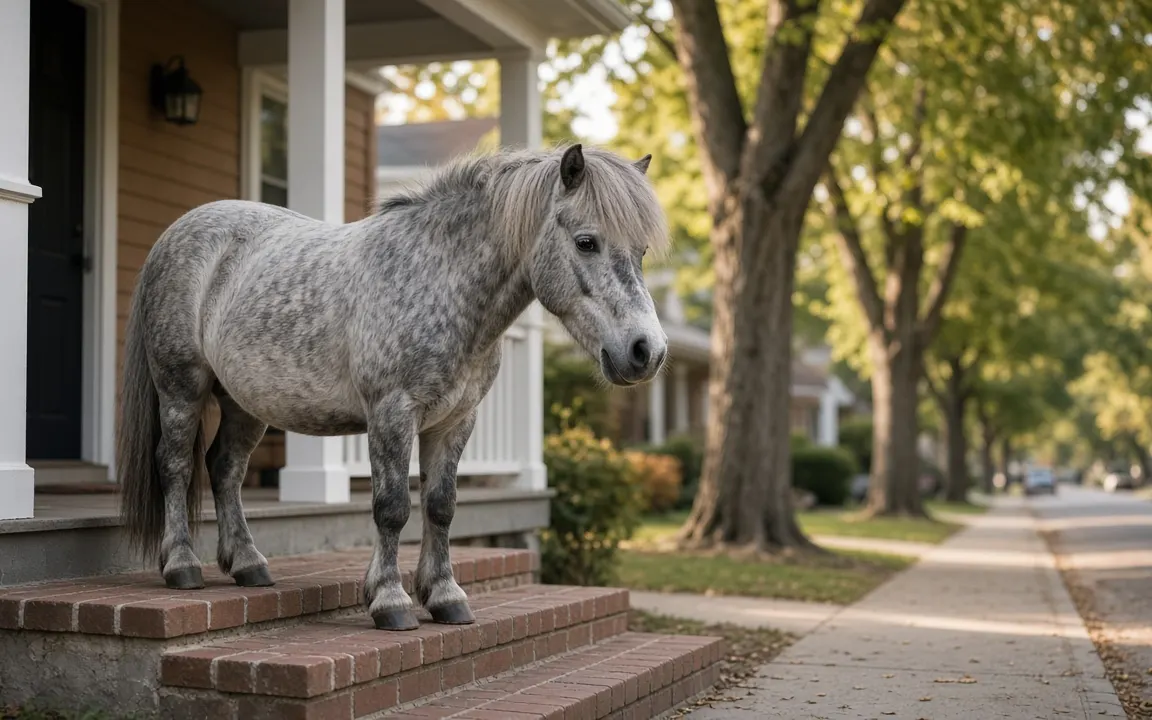
Southern Virginia Beach, around Pungo, Blackwater and Creeds, is surprisingly rural, with farms, horse properties and small livestock operations, and the area is known for its strawberry fields and farm stands in spring. Neighbouring Chesapeake and North Carolina's Currituck County add more farmland. If you keep a horse, goats, pigs or cattle here, tell providers the animal's weight and how a truck can reach your barn or pasture.
Hurricanes and nor'easters can flood low-lying farmland in southern Virginia Beach and block rural roads such as those around Back Bay for days. If you care for an older horse or livestock, include aftercare in your storm plan, and talk to your vet about where a vehicle could reach the animal and what you would do if it died while roads were closed or the power was out.
Collection is the part that decides the plan around Virginia Beach. A truck with a winch needs to back within reach of your horse on firm ground, and that shapes where a planned euthanasia should happen. A level spot near the barn or a wide gate is kindest to everyone. If your horse lives in a far paddock or a sloping field, say so on the first call, not when the truck arrives.
With roughly 453,737 residents, Virginia Beach is the largest of the 32 Virginia communities we cover.
Families in Virginia Beach often end up using a provider from Norfolk (16 miles), Portsmouth (21 miles) and Chesapeake (22 miles). That is normal: crematories serve a radius, not a single town, and the drive is priced into collection.
55.6%[1]
The NFDA projected Virginia's cremation rate at 55.6% for 2024.
6.6 million[2]
There were an estimated 6.6 million horses in the United States in 2023, down from 7.2 million in 2017.
$600-$1,000[3]
Cremating a 1,000-pound horse was reported to cost about $600-$1,000, depending on location and the price of propane.
3-5% of body weight[4]
Embrace notes cremated remains typically weigh about 3-5% of the pet's original body weight.
If a number here surprises you, the primary material is American Horse Council and Extension Horses (eXtension national Cooperative Extension); we only apply it to this.
How Virginia thinks about cremation
Cremation is common in Virginia, at about 55.6%[1], and so is burial, which leaves room for a middle route: a pet cemetery that accepts large animals. Few do, and a horse-sized plot costs far more than one for a dog, but it gives owners without land a grave they can visit. Ask about access, maintenance and what happens if the cemetery ever closes.
For the Virginia figure we rely on NFDA 2024 Cremation & Burial Report state projections (via Occasional Sage) (2024). Read it as a picture of local custom around death and remembrance in Virginia Beach rather than as pet data.
Planning around the Virginia Beach calendar
Virginia Beach summers are hot, with July highs averaging about 89°F. A horse's body can't be brought indoors or cooled the way a dog's can, so in the warmer months the clock runs fast. If a death happens in the heat, call your provider straight away, ask for same-day collection and cover the body with a light-colored tarp or sheet, in shade if you can rig some.
Keep a spare tarp, an old halter you don't mind parting with and the numbers of your vet and one collection service on a card in the barn office. In a Virginia Beach summer, when highs sit around 89°F, you don't want to lose an hour hunting for any of them while the day warms up.

Budgeting for your horse's aftercare near Virginia Beach
Budget for three things: the vet's euthanasia visit, collection from the farm or barn, and the aftercare itself. Rendering pickup is typically $75-$200[5], while cremation runs several hundred dollars more. If the nearest crematory is a long drive away, the haul can move the total a long way, so ask whether they run scheduled routes through your area.
For a line-by-line price table, see the Virginia overview; for what's included in each option, see our services.

Free tool
Horse aftercare cost comparison
Compare equine cremation, burial, rendering and composting side by side.
Setbacks, depth and timing in Virginia
Before anyone digs, check the rules for Virginia. Burying a large animal commonly comes with conditions on soil cover, clearance above groundwater and setbacks from wells, streams and property lines, and counties or councils can add their own. A horse grave is big, around 9 ft deep[7] under US extension guidance, so the site matters as much as the permission.
Virginia keeps an official directory of local governments; use it to reach the county or city office that covers Virginia Beach.
We keep Virginia's burial and scattering rules in one place: the Virginia rules summary. Before a home burial in Virginia Beach, also ask the city whether local ordinances add anything.
A plan you can leave at the barn
- Check from a distance first if you find your horse down in the morning. Look for breathing before you go near the legs.
- Call the vet even when death is obvious. If there's no clear cause, a post-mortem might be worthwhile, and that's a judgement your vet can make.
- Ring your insurer before the body leaves, assuming your horse was covered for mortality. Plenty of policies require notice in advance and can insist on an examination.
- Take a few photos showing the position and the place, for the vet and the insurer, and only then cover the body.
- Move the other horses to a stable or far field once they've spent a few minutes with their companion.
- Ask how a post-mortem affects getting the ashes back, because some diagnostic labs handle disposal themselves.
- Book collection after you've settled those questions, and describe exactly how the driver reaches the body.
Keeping your horse's memory close to home
Large-animal aftercare around Virginia Beach usually means a removal or rendering service, burial on your own land where rules allow, or having the animal cremated on its own with the ashes returned, which fewer providers can do for a horse. Low, wet ground and a high water table can make burial on farmland in the southern part of the city difficult. Make sure the written quote covers the trip to your property.
try the free planning tools, read our guides and latest articles, Compare every option on our services page, or look at how readers voted in our polls. If you live between Virginia Beach and Norfolk, Richmond, Alexandria and Newport News, either page applies. Every other community in Virginia, and all of the United States, is listed too.

Reader polls
What would you choose?
Vote anonymously and see how other readers answered. The results are live counts from people who visit this site, so they show real opinions, not a scientific sample.
Where would you want your horse's last moments to be?
Tap an answer to vote and see how others answered. Anonymous.
What worries you most about horse aftercare?
Tap an answer to vote and see how others answered. Anonymous.
If you had to decide today, which aftercare would you choose for your pet?
Tap an answer to vote and see how others answered. Anonymous.

Free tools to help you plan
Horse aftercare cost comparison
Compare equine cremation, burial, rendering and composting side by side.

Aftercare options compared
Compare private, communal and water cremation with burial on cost, timing and what comes home.

Ashes weight estimator
See roughly how much ash to expect back, by species and body weight.
Questions people ask
When is the hardest time of year to arrange a burial in Virginia Beach?
There is no frozen-ground season here; average lows stay above freezing all year. The other pressure point is July, when highs around 89°F mean a body needs cooling and collecting quickly.
Is cremation common in Virginia?
For people, yes: about 55.6%[1] of Virginia deaths end in cremation, according to NFDA 2024 Cremation & Burial Report state projections (via Occasional Sage) (2024). Nobody publishes the same figure for pets, but in our experience pet choices in Virginia Beach follow the human pattern closely, so cremation is the default most families here start from.
Which nearby towns can I compare with Virginia Beach?
The closest communities we cover are Norfolk (about 16 miles), Portsmouth (about 21 miles) and Chesapeake (about 22 miles). Providers based in those places often serve Virginia Beach too. Ask each one for a written total that includes collection, so the distance is priced in.
How long until I get my horse's ashes back?
Longer than for a small pet. The burn phase alone takes at least 4.4 hours[8] for an 1,100 lb horse on our estimate, followed by a long cool-down and processing. Around Virginia Beach, distance and scheduled delivery routes add time too. Ask for an expected return date and whether the ashes will be delivered or need collecting.
Can I be present at my horse's cremation near Virginia Beach?
Some large-animal crematories allow owners to attend the start of the cremation or to spend time with their horse before it, but not all can, and the drive may be long. Ask when you first call, and ask what attending involves, since loading into a large chamber uses machinery. Many owners prefer to say goodbye at home and simply be told when it's done.
What if I can't afford horse cremation?
You have lower-cost options that are still respectful. Rendering pickup typically runs $75-$200[5], and by our estimate composting saves about $525[9] over cremation at midpoint prices. Ask your vet whether they know of a payment plan, and whether a rescue or a vet school program operates nearby. Whatever you choose, save some tail hair and a shoe before collection.


Sources and our estimates
- [1] The NFDA projected Virginia's cremation rate at 55.6% for 2024. NFDA 2024 Cremation & Burial Report state projections (via Occasional Sage), 2024.
- [2] There were an estimated 6.6 million horses in the United States in 2023, down from 7.2 million in 2017. American Horse Council - 2023 National Equine Economic Impact Study release, 2023.
- [3] Cremating a 1,000-pound horse was reported to cost about $600-$1,000, depending on location and the price of propane. Extension Horses (eXtension national Cooperative Extension) - Horse Disposal Options, 2019, 2019.
- [4] Embrace notes cremated remains typically weigh about 3-5% of the pet's original body weight. Embrace Pet Insurance - Bury or Cremate Your Dog? Costs, Pros & Cons, 2025.
- [5] Rendering companies typically charge a pickup fee of $75-$200 to remove a horse carcass, depending on location. Extension Horses (eXtension national Cooperative Extension) - Horse Disposal Options, 2019, 2019.
- [6] About 92,400 U.S. horses would be expected to die or be euthanized each year (6.6 million horses x 1.4% annual mortality). Our estimate: 6,600,000 x 1.4%. How we calculate.
- [7] Extension guidance recommends a horse burial trench about 7 feet wide and 9 feet deep, covered by 3-4 feet of soil, and no fewer than 100 yards from wells and streams. Extension Horses (eXtension national Cooperative Extension) - Horse Disposal Options, 2019, 2019.
- [8] At an average rate of 250 lb per hour, the burn phase for a 1,100 lb horse would take at least about 4.4 hours, not counting preheating and cool-down. Our estimate: 1,100 lb / 250 lb per hour. How we calculate.
- [9] Choosing on-farm composting instead of cremation saves a horse owner roughly $525 at midpoint prices (2012-2019 extension figures, not inflation-adjusted). Our estimate: $800 cremation midpoint - $275 composting midpoint. How we calculate.
Ask us to check providers near your barn
Tell us what you need and where you are. We'll reply by email with clear options and prices so you can decide in your own time.