Horse aftercare near Charleston: cremation, burial and more
Whether your horse is at home, at a boarding barn or at an equine hospital, you have more choices than you might think in Charleston. This page explains each one in plain English.
- Providers that can take a full-size horse
- Collection priced from your barn's address
- Burial, rendering and compost explained too
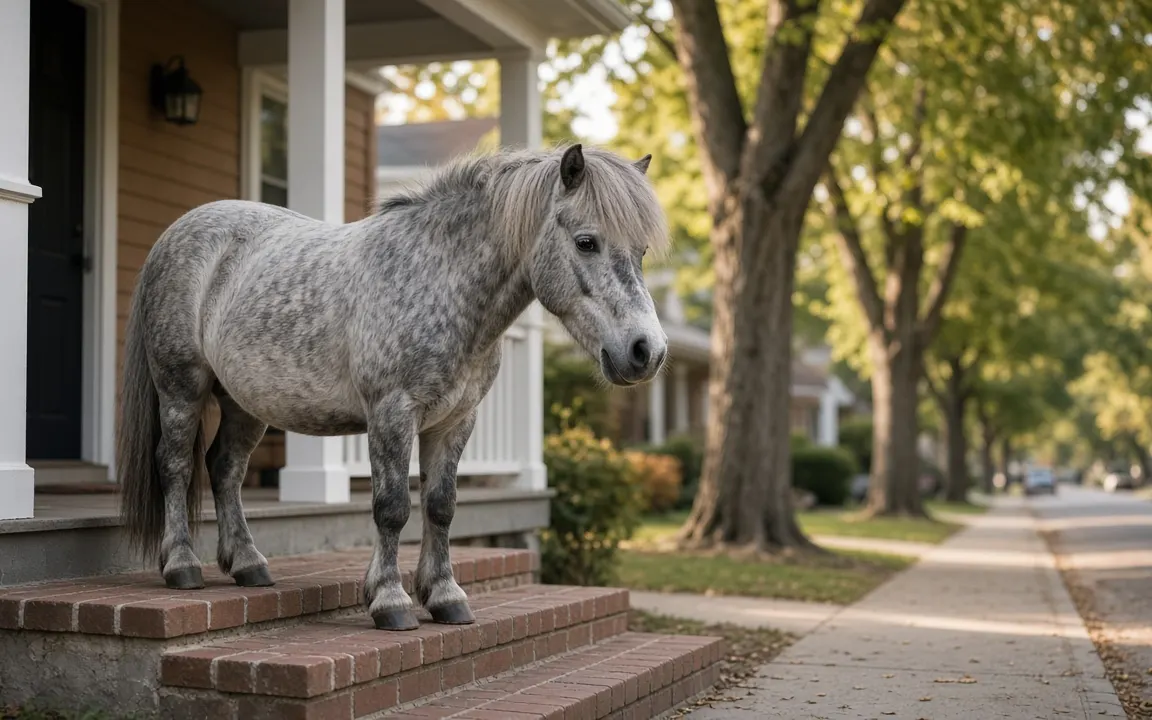
Charleston, South Carolina
What arranging horse cremation near Charleston is like
Heat, humidity and storms shape large-animal aftercare in the Lowcountry. A large body needs collecting fast in summer, and hurricane season can bring flooding that cuts off farm roads for days. If you keep an older horse or livestock animal, make a plan before storm season, including how a vehicle would reach the animal and what you'd do if roads close.
Burial of large animals in the Lowcountry is limited by high water tables and sandy, wet soils in many spots, so owners often turn to rendering or individual cremation with ashes returned. Cremation for a horse costs more than for a pet because of size and transport. Ask for a written quote that covers collection from the farm and whether you can be present.
The county extension office serving Charleston is one of the most useful calls you can make, and one of the least known. Extension agents field questions about livestock burial, composting and rendering every week, and they usually know which services still operate in the county. The call is free, and they'll tell you plainly what the local rules expect of a horse owner.
With roughly 159,423 residents, Charleston is the largest of the 29 South Carolina communities we cover.
Charleston sits within easy reach of Mount Pleasant (7 miles), Hanahan (11 miles) and North Charleston (12 miles). A provider based in any of them will usually collect from Charleston; ask what the mileage adds to the bill.
56.1%[1]
The NFDA projected South Carolina's cremation rate at 56.1% for 2024.
6.6 million[2]
There were an estimated 6.6 million horses in the United States in 2023, down from 7.2 million in 2017.
$600-$1,000[3]
Cremating a 1,000-pound horse was reported to cost about $600-$1,000, depending on location and the price of propane.
3-5% of body weight[4]
Embrace notes cremated remains typically weigh about 3-5% of the pet's original body weight.
None of the figures on this this page are ours alone: they rest on American Horse Council and Extension Horses (eXtension national Cooperative Extension).
What owners in South Carolina tend to choose
Roughly 56.1%[1] of funerals in South Carolina now end in cremation, and farm habits here have been shifting in parallel. The old answer for a dead horse, calling the renderer, is fading in many areas because fewer plants now accept horses[5]. That has nudged owners who once used the knacker's truck toward cremation, composting or burial, often without anyone quite deciding to change.
For the South Carolina figure we rely on NFDA 2024 Cremation & Burial Report state projections (via Occasional Sage) (2024). Read it as a picture of local custom around death and remembrance in Charleston rather than as pet data.
How the season changes your options in Charleston
Charleston's climate is fairly mild, which gives you a little breathing room after a death. You still can't keep a horse's body cool for long, so aim for collection the same day or the next morning, but you're unlikely to be racing extreme heat or frozen ground. Use the time to save a tail braid, take off the halter and say goodbye properly.
A dry day in Charleston doesn't always mean dry ground. Early-morning dew on a sloping paddock can be enough to make a loaded truck slide, and irrigated pasture stays soft long after the rain stops. When you tell a provider about access, mention slopes and sprinklers as well as recent weather.

How much to budget, including the haul
Extension specialists have reported about $600-$1,000[3] to cremate a 1,000 lb horse, depending on location and the price of propane. That's before transport, which is often the second-biggest line on a quote in Charleston because equine crematories are few and far apart. The table shows every main option, since many owners compare cremation with burial, rendering and composting before deciding.
The full price table by size is on our South Carolina page, and the services page explains what each option includes.

Free tool
Horse aftercare cost comparison
Compare equine cremation, burial, rendering and composting side by side.
Burial and disposal rules in South Carolina
Horses are treated differently from dogs and cats in most places. Burying or disposing of a body this size is usually covered by agricultural or environmental rules, not just pet guidance, and those set depth, distance from water and how quickly it must happen. Cremation itself needs no permit from you; burial, composting and scattering are where local rules come in. Here's what we know for South Carolina.
Not sure which office covers Charleston? The South Carolina local government directory is the official list.
Start with the South Carolina rules, which cover burial, scattering and oversight for the whole state, and treat Charleston's local ordinances as a possible extra layer.
Step by step, from the field to the urn
- Check from a distance first if you find your horse down in the morning. Look for breathing before you go near the legs.
- Call the vet even when death is obvious. An unexplained death may be worth a post-mortem, and your vet can say whether it is.
- Ring your insurer before the body leaves, assuming your horse was covered for mortality. Plenty of policies require notice in advance and can insist on an examination.
- Take a few photos of where and how you found your horse, for the vet and any insurer, then cover the body.
- Move the other horses to a stable or far field once they've spent a few minutes with their companion.
- Ask how a post-mortem affects getting the ashes back, since a diagnostic lab may arrange disposal on its own.
- Book collection once those decisions are made, and give the driver a firm route to the spot.
Keeping your horse's memory close to home
Charleston's most visible large animals are the horses and mules that pull carriages through the historic district, but the Lowcountry beyond the city has horse farms, small cattle herds and hobby farms on Johns Island, Wadmalaw and inland toward Summerville and the rural counties. When a large animal dies, give clear directions, the gate width and how close a truck can get on sandy or soft ground.
run the numbers with the free planning tools, browse in-depth guides or recent articles, or compare your instinct with the poll results, Compare every option on our services page. More local pages: Summerville, Mount Pleasant, Columbia and Rock Hill, the South Carolina overview and every city in the United States.

Reader polls
What would you choose?
Vote anonymously and see how other readers answered. The results are live counts from people who visit this site, so they show real opinions, not a scientific sample.
What would you most want to keep from your horse?
Tap an answer to vote and see how others answered. Anonymous.
Where would you want your horse's last moments to be?
Tap an answer to vote and see how others answered. Anonymous.
If you had to decide today, which aftercare would you choose for your pet?
Tap an answer to vote and see how others answered. Anonymous.

Free tools to help you plan
Horse aftercare cost comparison
Compare equine cremation, burial, rendering and composting side by side.

Aftercare options compared
Compare private, communal and water cremation with burial on cost, timing and what comes home.

Ashes weight estimator
See roughly how much ash to expect back, by species and body weight.
Questions people ask
Can a provider from a neighbouring town collect from Charleston?
Usually yes. Mount Pleasant is about 7 miles away, Hanahan is about 11 miles away and North Charleston is about 12 miles away, all inside a normal collection radius. Get the mileage written into the quote so there is no surprise on the day.
How does Charleston's weather affect horse aftercare?
July is the hottest month in Charleston, with average highs around 88°F, so prompt collection matters most then. Winters are mild, with average lows staying above freezing, so outdoor burial or scattering is usually possible year round.
Is cremation common in South Carolina?
For people, yes: about 56.1%[1] of South Carolina deaths end in cremation, according to NFDA 2024 Cremation & Burial Report state projections (via Occasional Sage) (2024). Nobody publishes the same figure for pets, but in our experience pet choices in Charleston follow the human pattern closely, so cremation is the default most families here start from.
Should I plan ahead if my horse is getting old?
Yes, quietly. Horses aged 20 and over have the highest yearly death rate in USDA data, 3.1%[7], and a plan made in calm conditions is kinder than one made in a crisis. Choose a provider, check access to the barn, note your budget and keepsake wishes, and leave a copy with whoever looks after your horse day to day.
How long until I get my horse's ashes back?
Longer than for a small pet. The burn phase alone takes at least 4.4 hours[8] for an 1,100 lb horse on our estimate, followed by a long cool-down and processing. Around Charleston, distance and scheduled delivery routes add time too. Ask for an expected return date and whether the ashes will be delivered or need collecting.
How quickly does a dead horse have to be moved in South Carolina?
Sooner than most people expect. State rules commonly require burial or other disposal within 24-72 hours[9] of death, especially after euthanasia, and some are stricter. Check the rule for South Carolina with your vet or the state agriculture department. In practice, aim to have your horse collected or buried within a day, and sooner in hot weather.


Sources and our estimates
- [1] The NFDA projected South Carolina's cremation rate at 56.1% for 2024. NFDA 2024 Cremation & Burial Report state projections (via Occasional Sage), 2024.
- [2] There were an estimated 6.6 million horses in the United States in 2023, down from 7.2 million in 2017. American Horse Council - 2023 National Equine Economic Impact Study release, 2023.
- [3] Cremating a 1,000-pound horse was reported to cost about $600-$1,000, depending on location and the price of propane. Extension Horses (eXtension national Cooperative Extension) - Horse Disposal Options, 2019, 2019.
- [4] Embrace notes cremated remains typically weigh about 3-5% of the pet's original body weight. Embrace Pet Insurance - Bury or Cremate Your Dog? Costs, Pros & Cons, 2025.
- [5] Renderers have served horse owners for over 100 years, but regulatory changes have reduced the number of rendering plants willing to accept horses, and fees and drug-residue rules may apply. Cornell Waste Management Institute & Penn State - Horse Mortality: Carcass Disposal Alternatives (2012), 2012.
- [6] Choosing on-farm composting instead of cremation saves a horse owner roughly $525 at midpoint prices (2012-2019 extension figures, not inflation-adjusted). Our estimate: $800 cremation midpoint - $275 composting midpoint. How we calculate.
- [7] Equids aged 20 years or older had a 3.1% annual mortality rate in the 2015 NAHMS study, the highest of any age group. USDA APHIS NAHMS - Equine Mortality in the United States, 2015 (published Feb 2017), 2015.
- [8] At an average rate of 250 lb per hour, the burn phase for a 1,100 lb horse would take at least about 4.4 hours, not counting preheating and cool-down. Our estimate: 1,100 lb / 250 lb per hour. How we calculate.
- [9] State rules commonly require dead animals to be buried within 24 to 72 hours of death, especially when euthanized. Cornell Waste Management Institute & Penn State - Horse Mortality: Carcass Disposal Alternatives (2012), 2012.
Find an equine provider that reaches you
Tell us what you need and where you are. We'll reply by email with clear options and prices so you can decide in your own time.