Horse aftercare near Providence: cremation, burial and more
A horse leaves around 38.5 lb[1] of ashes on our estimate, and it takes a large-animal chamber and a winch truck to get there. Here's how that works for owners in Providence.
- Honest costs for Providence horse owners
- Individual cremation, confirmed in writing
- Tail, mane and shoe keepsakes
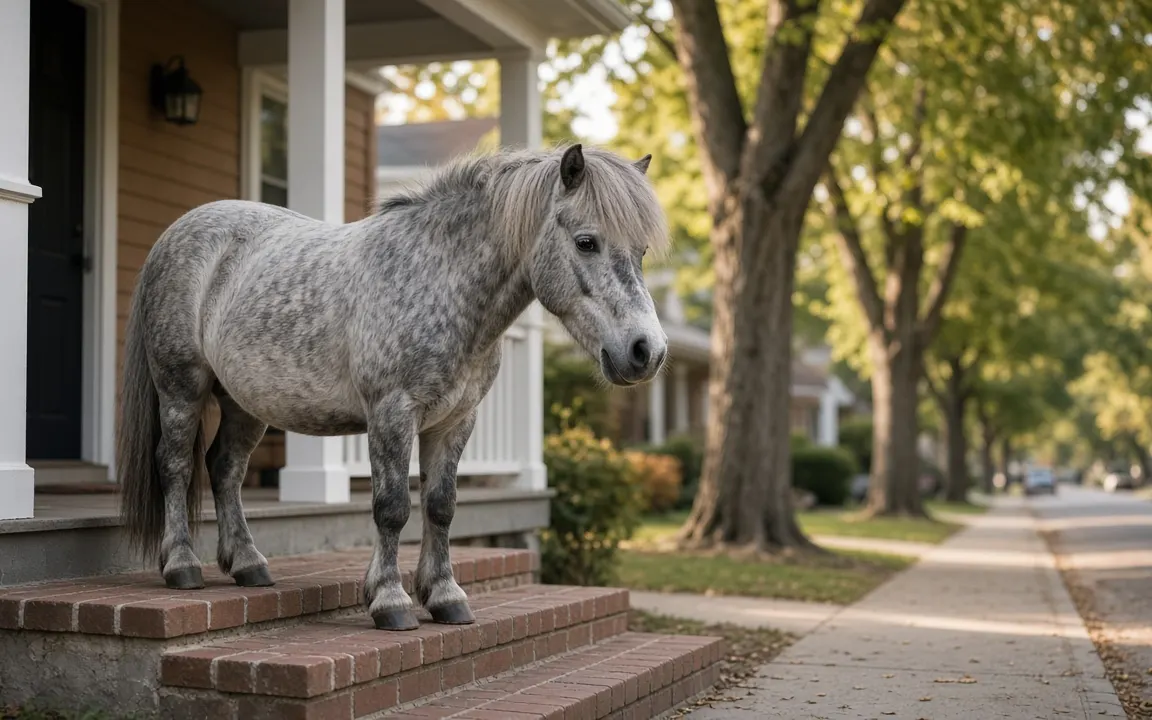
Providence, Rhode Island
Where horses live around Providence, and why it matters
Commercial livestock in Rhode Island is limited, and farm animals usually go through rendering or approved disposal. A horse, donkey, alpaca or pet goat is often cremated individually so the family can keep the ashes. Options for large-animal cremation in the region may involve travel to Massachusetts or Connecticut, so tell us which situation you're in. That helps us send you providers who can handle the animal's size.
Providence itself has few large animals, but western and southern Rhode Island, in towns like Scituate, Foster, Exeter and Richmond, have horse farms, riding stables and hobby farms with goats, sheep and alpacas. Rhode Island is small, so distances are short. Should a large animal die, note the location, any locked gates and how close a vehicle can park, since many properties have stone walls and narrow lanes.
The county extension office serving Providence is one of the most useful calls you can make, and one of the least known. Extension agents field questions about livestock burial, composting and rendering every week, and they usually know which services still operate in the county. The call is free, and they'll tell you plainly what the local rules expect of a horse owner.
Providence's population is around 195,310, the largest of the 8 Rhode Island communities we cover. Worcester, roughly 36 miles off, is the closest larger centre, and a share of the providers who cover Providence run from there.
Our pages for East Providence (3 miles), Pawtucket (4 miles) and Central Falls (5 miles) describe the same choices from those towns' point of view, and the providers overlap, so a quote from one often covers Providence as well.
60.1%[2]
The NFDA projected Rhode Island's cremation rate at 60.1% for 2024.
6.6 million[3]
There were an estimated 6.6 million horses in the United States in 2023, down from 7.2 million in 2017.
$600-$1,000[4]
Cremating a 1,000-pound horse was reported to cost about $600-$1,000, depending on location and the price of propane.
3-5% of body weight[5]
Embrace notes cremated remains typically weigh about 3-5% of the pet's original body weight.
Where these figures come from: American Horse Council and Extension Horses (eXtension national Cooperative Extension).
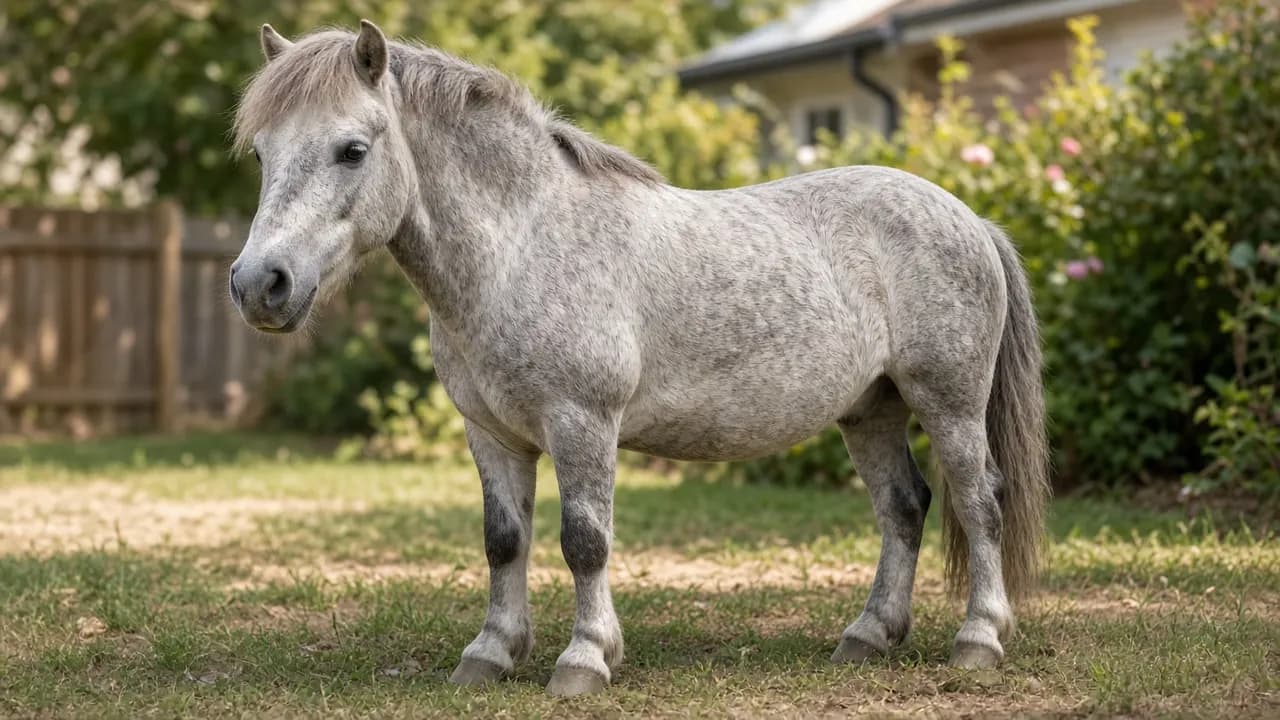
Cremation habits in Rhode Island, and your horse
Horse people have customs of their own that sit alongside local ones. Some famous racehorses were buried with only the head, heart and hooves, a tradition meant to honor what made them great. Most owners in Rhode Island, where cremation accounts for about 60.1%[2] of human deaths, choose something simpler, but it's a reminder that there's no single proper way to lay a horse to rest.
For the Rhode Island figure we rely on NFDA 2024 Cremation & Burial Report state projections (via Occasional Sage) (2024). Read it as a picture of local custom around death and remembrance in Providence rather than as pet data.
How the season changes your options in Providence
Providence winters are cold, with average lows at or below freezing in January, February, March and December. Cold buys you time after a death, often enough to wait for a daytime collection, but it takes burial off the table for much of the season. Digging a trench about 9 ft deep[6], as extension guidance suggests for a horse, is slow and costly in frozen ground, so winter deaths here usually mean cremation or a collection service.
With 4 freezing months in a normal year, the thaw matters as much as the frost. A lane that held a truck in January can turn to mud in March. When you describe access to a provider around Providence, describe the conditions today, not the ones you remember from summer.

Where the money goes: haul, chamber and extras
Budget for three things: the vet's euthanasia visit, collection from the farm or barn, and the aftercare itself. Rendering pickup is typically $75-$200[7], while cremation runs several hundred dollars more. If the nearest crematory is a long drive away, the haul can move the total a long way, so ask whether they run scheduled routes through your area.
The Rhode Island price table breaks costs down by size; our services page explains what sits behind each line.

Free tool
Horse aftercare cost comparison
Compare equine cremation, burial, rendering and composting side by side.
Paperwork and permission in Rhode Island
Moving a horse's body along a public road can fall under animal by-product or transport rules, which is one reason licensed collectors do most of this work. If you plan to trailer your horse to a provider yourself, ask the provider and the agriculture office in Rhode Island whether you need anything in writing first. Cremation itself asks nothing of you.
The official Rhode Island local government directory lists every county and city office, which is the quickest way to find who to ask in Providence.
Home burial and scattering are governed at the Rhode Island level first; our Rhode Island rules summary has the detail. Then check whether Providence or your HOA adds anything.
Who to call, and in what order
- Let the other horses see the body briefly; owners often say survivors calm down more quickly when they have.
- Don't leave a lone survivor for long. A horse suddenly on its own may pace, call or try to jump out, so borrow a companion if you can.
- Keep the remaining horses well away from the truck and winch during loading, ideally shut in the barn.
- If two elderly horses are near the end together, find out if one run can take both, since that can cut the transport cost.
- Confirm each horse is cremated separately and labelled with its own name, so the ashes can't be mixed.
- Watch the survivor's eating, drinking and droppings closely for several days, and ring the vet at the first sign of something different.
Remembering your horse in Providence
Winter can make large-animal aftercare difficult around Providence. Frozen ground rules out burial for months, and nor'easters can block farm lanes. Muggy August days along the bay make timing urgent in the other direction. If you keep an older horse or livestock as pets in western Rhode Island, it's worth asking ahead what collection from your property would involve, so you're prepared if the time comes in the middle of a storm.
the planning tools turn your pet's details into figures, or look at how readers voted in our polls, the guides answer the longer questions and the blog the newer ones, See what each option includes on our services page. You can also browse every city in the United States. Nearby, we also cover Pawtucket, East Providence, Cranston and Warwick, and every city in Rhode Island.

Reader polls
What would you choose?
Vote anonymously and see how other readers answered. The results are live counts from people who visit this site, so they show real opinions, not a scientific sample.
What would you most want to keep from your horse?
Tap an answer to vote and see how others answered. Anonymous.
If you had to decide today, what would you choose for your horse?
Tap an answer to vote and see how others answered. Anonymous.
If you had to decide today, which aftercare would you choose for your pet?
Tap an answer to vote and see how others answered. Anonymous.

Free tools to help you plan
Horse aftercare cost comparison
Compare equine cremation, burial, rendering and composting side by side.

Aftercare options compared
Compare private, communal and water cremation with burial on cost, timing and what comes home.

Ashes weight estimator
See roughly how much ash to expect back, by species and body weight.
Questions people ask
How do Rhode Island attitudes to cremation compare?
NFDA 2024 Cremation & Burial Report state projections (via Occasional Sage) (2024) puts the Rhode Island human cremation rate at about 60.1%[2]. We show it on the Providence page because pet aftercare choices tend to track it: where cremation is normal for people, communal and private pet cremation are both easy to find.
Where are the providers that serve Providence actually based?
Some are local, and some run from Worcester, about 36 miles away. That is normal for a city this size. What matters is the collection time they quote for Providence and whether the drive is priced into the total, so ask both up front.
Does the Providence climate change what I should do first?
Only the timing. In July, with highs near 84°F, cool the body and book collection the same day. In January, February, March and December, when lows sit below freezing, a home burial may have to wait for a thaw, so cremation with ashes returned keeps your options open.
Can a provider from a neighbouring town collect from Providence?
Usually yes. East Providence is about 3 miles away, Pawtucket is about 4 miles away and Central Falls is about 5 miles away, all inside a normal collection radius. Get the mileage written into the quote so there is no surprise on the day.
Is horse cremation common in Rhode Island?
For people, about 60.1%[2] of deaths in Rhode Island end in cremation, so the idea is familiar. For horses it's less common than for dogs and cats, because of cost and distance, and many owners choose burial, rendering or composting. Cremation is most common among boarders and owners who want to keep something of their horse.
Can I bury my horse on my own land in Rhode Island?
Often yes, with conditions. Rules usually cover depth, soil cover, distance from wells, streams and property lines, and how quickly burial must happen. National extension guidance suggests a trench about 9 ft deep[6]. Check with your county or the Rhode Island agriculture department before digging, and remember that you can't take a grave with you if you ever sell the land.


Sources and our estimates
- [1] A 1,100 lb horse would be expected to return roughly 38.5 lb of cremated remains (plausible range 33-55 lb). Our estimate: 1,100 lb x 3.5% (range 3%-5%). How we calculate.
- [2] The NFDA projected Rhode Island's cremation rate at 60.1% for 2024. NFDA 2024 Cremation & Burial Report state projections (via Occasional Sage), 2024.
- [3] There were an estimated 6.6 million horses in the United States in 2023, down from 7.2 million in 2017. American Horse Council - 2023 National Equine Economic Impact Study release, 2023.
- [4] Cremating a 1,000-pound horse was reported to cost about $600-$1,000, depending on location and the price of propane. Extension Horses (eXtension national Cooperative Extension) - Horse Disposal Options, 2019, 2019.
- [5] Embrace notes cremated remains typically weigh about 3-5% of the pet's original body weight. Embrace Pet Insurance - Bury or Cremate Your Dog? Costs, Pros & Cons, 2025.
- [6] Extension guidance recommends a horse burial trench about 7 feet wide and 9 feet deep, covered by 3-4 feet of soil, and no fewer than 100 yards from wells and streams. Extension Horses (eXtension national Cooperative Extension) - Horse Disposal Options, 2019, 2019.
- [7] Rendering companies typically charge a pickup fee of $75-$200 to remove a horse carcass, depending on location. Extension Horses (eXtension national Cooperative Extension) - Horse Disposal Options, 2019, 2019.
- [8] At an average rate of 250 lb per hour, the burn phase for a 1,100 lb horse would take at least about 4.4 hours, not counting preheating and cool-down. Our estimate: 1,100 lb / 250 lb per hour. How we calculate.
Get horse cremation options in Providence
Tell us what you need and where you are. We'll reply by email with clear options and prices so you can decide in your own time.