Horse cremation in Albuquerque
Cremating a 1,000 lb horse has been reported at about $600-$1,000[1] before transport. We explain the haul, farm access and the alternatives for owners in Albuquerque, and can email you local options.
- Honest costs for Albuquerque horse owners
- Individual cremation, confirmed in writing
- Tail, mane and shoe keepsakes
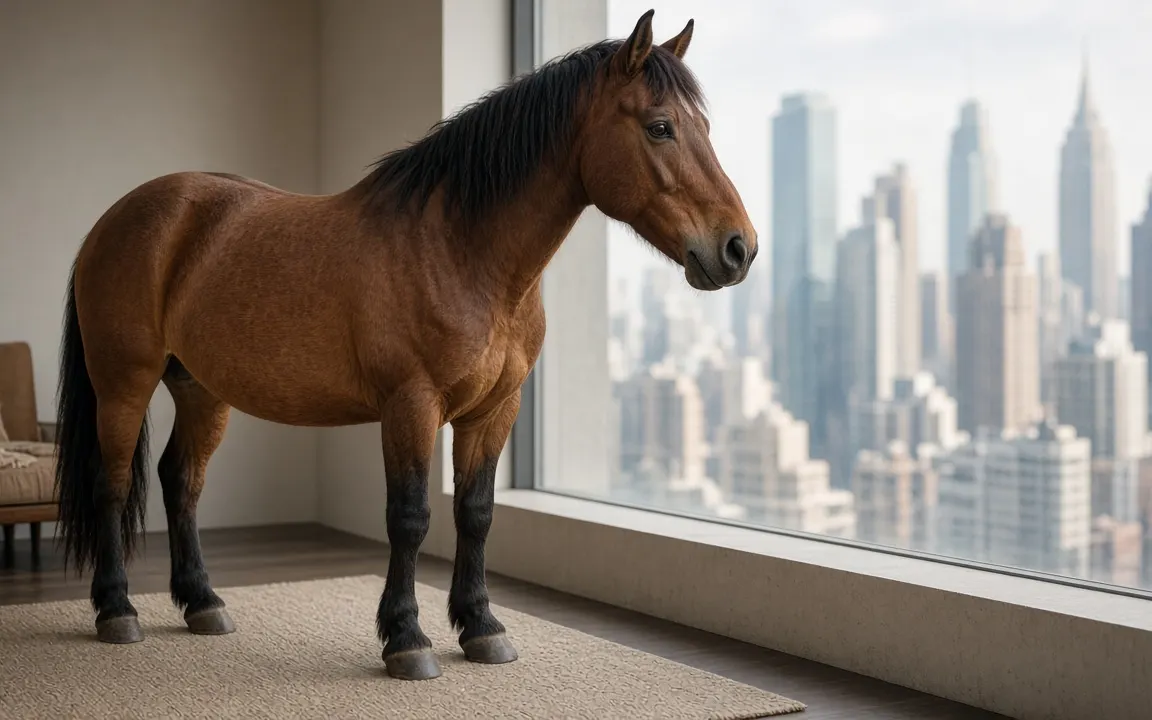
Albuquerque, New Mexico
Finding horse aftercare that reaches Albuquerque
Albuquerque still has real horse and livestock country in and around it, in the North and South Valleys, Corrales, Los Ranchos and the East Mountains, where families keep horses, goats, sheep, cattle and chickens on acequia-irrigated lots. Beyond the city, ranchland stretches for miles. When a large animal dies, owners weigh burial on their property where allowed, rendering and individual cremation. Share your location and access when you ask.
For many New Mexico families, a horse, a burro or a small herd of goats is part of a long tradition of rural life, and losing one is losing a family member. When the usual rendering route feels wrong, ask your vet about individual cremation while the animal is still well, and ask how a truck would get down your dirt road after a monsoon downpour. Spring winds and monsoon storms in July and August can both complicate the day, so having a plan helps.
Albuquerque's size can work in your favor on price but against you on speed. Demand for large-animal collection is spread across a wide ring of suburbs, hobby farms and equestrian centers, and a single truck may be covering all of it. If the goodbye is planned, book the collection when you book the vet, for the same morning, rather than calling around once it's over.
About 556,588 people live in Albuquerque, which makes it the largest of the 11 New Mexico communities we cover.
Our pages for Rio Rancho (15 miles), Los Lunas (22 miles) and Santa Fe (56 miles) describe the same choices from those towns' point of view, and the providers overlap, so a quote from one often covers Albuquerque as well.
70.5%[2]
The NFDA projected New Mexico's cremation rate at 70.5% for 2024.
6.6 million[3]
There were an estimated 6.6 million horses in the United States in 2023, down from 7.2 million in 2017.
$600-$1,000[1]
Cremating a 1,000-pound horse was reported to cost about $600-$1,000, depending on location and the price of propane.
3-5% of body weight[4]
Embrace notes cremated remains typically weigh about 3-5% of the pet's original body weight.
The published sources behind those figures are Extension Horses (eXtension national Cooperative Extension) and American Horse Council.
Cremation habits in New Mexico, and your horse
Cremation is the usual choice for people in New Mexico, where about 70.5%[2] are cremated, and you'll hear it discussed openly at the barn. Even so, many horse owners here weigh it against burial, rendering and composting on cost alone, and that's a fair thing to do. US extension figures put cremating a 1,000 lb horse at about $600-$1,000[1], several times the cost of the other routes.
The New Mexico figure comes from NFDA 2024 Cremation & Burial Report state projections (via Occasional Sage) (2024). It describes people, not pets, so read it as a sign of local attitudes rather than a pet statistic.
Weather, ground and truck access in Albuquerque
The season can change the bill as well as the plan. A July death may mean paying for a weekend or after-hours collection so your horse isn't left in the heat; a January one may mean paying someone to plow the lane or pull a truck out of a drift. In an Albuquerque year with both extremes, it's worth asking providers about both kinds of extra charge.
The seasons here decide which option is even possible. Burial works best in late spring and autumn, when the ground can be dug and is dry enough for a backhoe. Cremation and rendering work year-round if a truck can reach you. If you're set on burial, think about what you'd do if your horse died in January instead.

Cremation, burial or rendering: the costs
Burial isn't always the cheapest route. Renting a backhoe has been reported at $250-$500[5], which is less than cremation but more than a rendering pickup, and it assumes you own suitable land. Composting a 1,200 lb horse was estimated at $170-$380[6] in materials, equipment and labor. Each route suits a different situation, and the table sets them side by side.
Prices for Albuquerque track the wider New Mexico market, so use the New Mexico price table as your baseline and the services page to see what is included.

Free tool
Horse aftercare cost comparison
Compare equine cremation, burial, rendering and composting side by side.
Burial and disposal rules in New Mexico
Rules for horses are often written for livestock, even when your horse is a much-loved pet. That's why a call to the agriculture department, county or local council is worth making before a burial or a compost pile goes in. Cremation and licensed collection avoid most of that paperwork. Here's the picture for New Mexico.
City of Albuquerque Solid Waste Management publishes Albuquerque's official guidance. Note that it deals with public collection, not with booking a private cremation.
Home burial and scattering are governed at the New Mexico level first; our New Mexico rules summary has the detail. Then check whether Albuquerque or your HOA adds anything.
Who to call, and in what order
- Let the other horses see the body briefly; owners often say survivors calm down more quickly when they have.
- Don't leave a lone survivor for long. A horse suddenly on its own may pace, call or try to jump out, so borrow a companion if you can.
- Keep the remaining horses well away while the body is winched aboard, preferably stabled with the doors closed.
- If two elderly horses are near the end together, find out if one run can take both, since that can cut the transport cost.
- Confirm each horse is cremated separately and labelled with its own name, so the ashes can't be mixed.
- Watch the survivor's eating, drinking and droppings closely for several days, and ring the vet at the first sign of something different.
Ways to keep your horse close
Burial of a large animal around Albuquerque is harder than it sounds: caliche and rocky ground often need a backhoe, and some lots are too small or too close to wells. In summer heat, a horse, cow or llama cannot wait long. When you ask for help, describe the property, the gate width and whether a truck with a winch can reach the animal on dirt roads.
Compare every option on our services page, or compare your instinct with the poll results, use the free tools before you ring anyone, look through our guides and the blog. More local pages: Santa Fe, Clovis, Rio Rancho and Roswell, the New Mexico overview and every city in the United States.

Reader polls
What would you choose?
Vote anonymously and see how other readers answered. The results are live counts from people who visit this site, so they show real opinions, not a scientific sample.
Is your horse a senior, and have you made an aftercare plan?
Tap an answer to vote and see how others answered. Anonymous.
What would you most want to keep from your horse?
Tap an answer to vote and see how others answered. Anonymous.
If you had to decide today, which aftercare would you choose for your pet?
Tap an answer to vote and see how others answered. Anonymous.

Free tools to help you plan
Horse aftercare cost comparison
Compare equine cremation, burial, rendering and composting side by side.

Aftercare options compared
Compare private, communal and water cremation with burial on cost, timing and what comes home.

Ashes weight estimator
See roughly how much ash to expect back, by species and body weight.
Questions people ask
Which nearby towns can I compare with Albuquerque?
The closest communities we cover are Rio Rancho (about 15 miles), Los Lunas (about 22 miles) and Santa Fe (about 56 miles). Providers based in those places often serve Albuquerque too. Ask each one for a written total that includes collection, so the distance is priced in.
When is the hardest time of year to arrange a burial in Albuquerque?
January, February and December: average lows are below freezing then, and frozen ground makes a home grave slow or impossible until it thaws. The other pressure point is July, when highs around 91°F mean a body needs cooling and collecting quickly.
Why does the Albuquerque page quote a human cremation rate?
Because it is the best local signal we have. NFDA 2024 Cremation & Burial Report state projections (via Occasional Sage) (2024) reports about 70.5%[2] of New Mexico residents are cremated. There is no official pet equivalent, and inventing one would be worse than quoting a real, clearly labelled number.
My horse is at a boarding barn near Albuquerque. Who decides what happens?
You do, as the owner, but the barn owner controls the property. They'll have a say on where euthanasia happens, whether their tractor or skid steer can help, and how quickly the body must leave. Many suburban barns won't allow burial on site. Talk to the barn manager early and leave written instructions with the office.
Can I be present at my horse's cremation near Albuquerque?
Some large-animal crematories allow owners to attend the start of the cremation or to spend time with their horse before it, but not all can, and the drive may be long. Ask when you first call, and ask what attending involves, since loading into a large chamber uses machinery. Many owners prefer to say goodbye at home and simply be told when it's done.
Can a pet crematory in Albuquerque cremate my horse?
Almost certainly not. City pet crematories are built for dogs, cats and animals up to a few hundred pounds. A full-size horse needs a large-animal chamber, which agricultural units size at up to a 1,500 lb load[8], plus a truck with a winch to load it. Ask any provider directly for the heaviest horse they can take and whether yours would be cremated alone.


Sources and our estimates
- [1] Cremating a 1,000-pound horse was reported to cost about $600-$1,000, depending on location and the price of propane. Extension Horses (eXtension national Cooperative Extension) - Horse Disposal Options, 2019, 2019.
- [2] The NFDA projected New Mexico's cremation rate at 70.5% for 2024. NFDA 2024 Cremation & Burial Report state projections (via Occasional Sage), 2024.
- [3] There were an estimated 6.6 million horses in the United States in 2023, down from 7.2 million in 2017. American Horse Council - 2023 National Equine Economic Impact Study release, 2023.
- [4] Embrace notes cremated remains typically weigh about 3-5% of the pet's original body weight. Embrace Pet Insurance - Bury or Cremate Your Dog? Costs, Pros & Cons, 2025.
- [5] Renting a backhoe to bury a horse costs roughly $250-$500, and horse disposal in a landfill (where accepted) costs about $80-$150. Extension Horses (eXtension national Cooperative Extension) - Horse Disposal Options, 2019, 2019.
- [6] Composting a 1,200-pound horse requires about 10 cubic yards of carbon material (wood chips, sawdust), and total material, equipment, fuel and labor costs were estimated at $170-$380 per horse. Cornell Waste Management Institute & Penn State - Horse Mortality: Carcass Disposal Alternatives (2012), 2012.
- [7] At an average rate of 250 lb per hour, the burn phase for a 1,100 lb horse would take at least about 4.4 hours, not counting preheating and cool-down. Our estimate: 1,100 lb / 250 lb per hour. How we calculate.
- [8] An animal incinerator sized for agricultural and animal-control use holds up to 1,500 lb per load with a maximum burn rate of 250 lb per hour (manufacturer specification). B&L Cremation Systems (manufacturer) - BLI-1500 Animal Incinerator specifications.
Ask us to check providers near your barn
Tell us what you need and where you are. We'll reply by email with clear options and prices so you can decide in your own time.