Horse Cremation in Montana
A horse leaves around 38.5 lb[1] of ashes on our estimate, and it takes a large-animal chamber and a winch truck to get there. Here's how that works for owners in Montana.
- Plan ahead for a senior horse
- Weather and timing advice for Montana
- Options when the nearest chamber is far
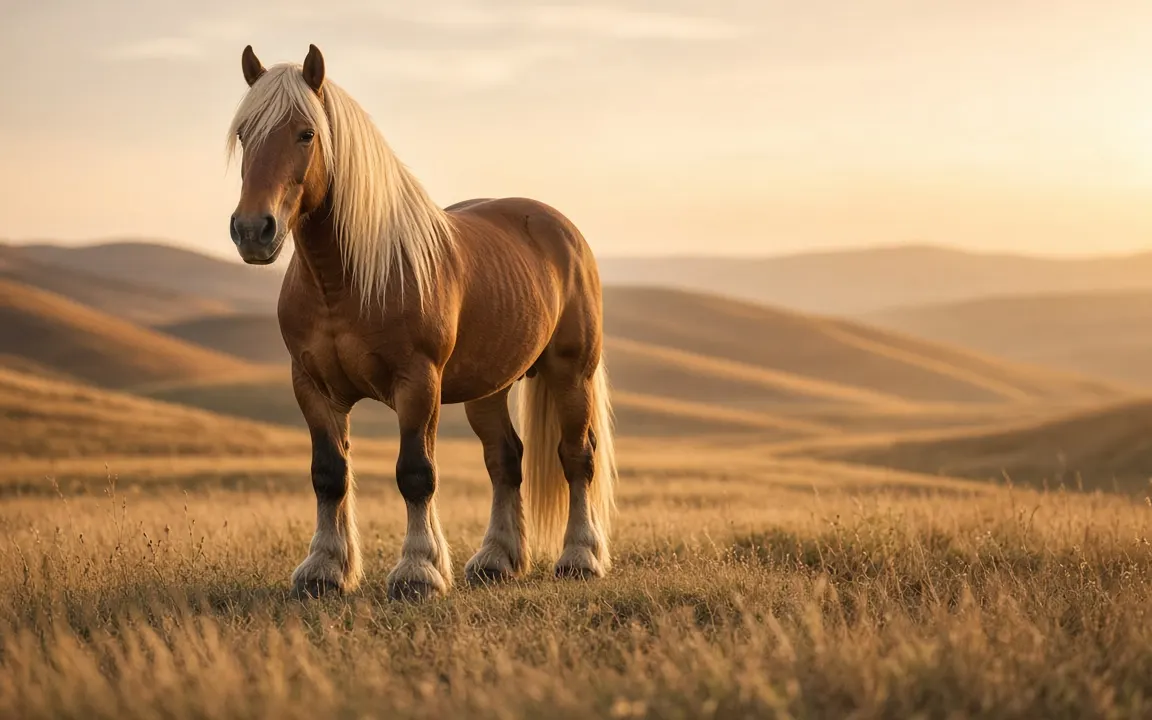
Montana, the United States
Horse Cremation in Montana: what to know
Whether you're near Billings, Missoula and Great Falls or on a ranch road miles from anywhere, the questions to ask are the same: can you take a full-size horse, will mine be cremated alone, what's the total including the haul, and do I get all the ashes back? This guide covers the Montana picture; your city page goes deeper.
Horse owners in Montana have more aftercare routes than most pet owners: individual cremation with the ashes returned, burial on your own land, rendering or a fallen-stock collector, and on-farm composting where it's allowed. They differ hugely in cost and in what comes back. Local rules and what exists near your farm decide which ones are realistic.
We cover 10 communities in Montana, from Billings, Missoula and Great Falls to smaller towns. Conditions vary a lot across Montana: summer highs reach about 87°F in Billings, while winter lows average 10°F in Belgrade. In 100% of the Montana communities we cover, average lows drop below freezing for three months or more, which matters for home burial.

Every Montana community we cover
Choose your city or town for local prices, weather and timing, and rules. 10 communities in Montana, largest first below.
How Montana thinks about cremation
Cremation is the norm for about 73.4%[2] of people in Montana, so plenty of families have already used a local pet crematory for a dog or cat, and it's the first number they ring when the horse dies. Most will kindly say they can't help, because their chamber is far too small. They'll often know who can, though, so the call isn't wasted.
Direct Cremate (citing CANA) (2024) publishes the Montana rate we quote. Read it as the local custom around cremation rather than as pet data.
Horse aftercare prices for Montana owners
The headline price is rarely the whole bill. Watch for the vet's farm call and euthanasia, weekend or after-hours collection, a tractor or skid-steer fee at a boarding barn, a larger urn or chest, and at renderers, possible surcharges for horses that were put to sleep[3]. In Minnesota, the University of Minnesota reported rendering at $150+[4] per pickup (UMN Extension), above the national low end.
Why are equine crematories so scarce around Montana? Partly because the market is small. By our estimate, if every US horse that died in a year were cremated at the $800 midpoint, total spending would be only about $74 million[5], too little to put a large chamber in every county. That's why the haul so often decides the price.
| Option | Typical cost | What comes back |
|---|---|---|
| Private cremation | $600-$1,000[6], plus the haul | Your horse's ashes |
| Rendering pickup | $75-$200[7] | Nothing returned |
| Burial with a rented backhoe | $250-$500[8] | A grave on your land |
| On-farm composting (1,200 lb horse) | $170-$380[9] | Compost, after many months |
| Landfill, where accepted | $80 to $150[8] | Nothing returned |
| Source | Extension Horses: horse disposal options | Euthanasia and transport are extra |
None of the figures on this this page are ours alone: they rest on Extension Horses (eXtension national Cooperative Extension) and Cornell Waste Management Institute & Penn State.

Free tool
Horse aftercare cost comparison
Compare equine cremation, burial, rendering and composting side by side.
Setbacks, depth and timing in Montana
Moving a horse's body along a public road can fall under animal by-product or transport rules, which is one reason licensed collectors do most of this work. If you plan to trailer your horse to a provider yourself, ask the provider and the agriculture office in Montana whether you need anything in writing first. Cremation itself asks nothing of you.
- Burial at home: Confirm the rule for the actual parcel and proposed burial with the local authority and property owner.
- Scattering ashes: Ask the exact land manager about scattering before making arrangements; a general gathering permission is a separate matter.
- Who oversees it: the authority responsible for the specific activity and location; this guide does not identify a universal permit or licensing rule
- Worth knowing: Record the service method, release authority, identification and return instructions in writing.
A city's population does not establish which aftercare activities are allowed at an address. Check the actual site and activity before proceeding.
County and city offices set many of the local rules. To find yours, start with the official Montana local government directory.
A plan you can leave at the barn
- Call the barn manager first when your horse lives at livery. Access, tractor use and parking for the truck are all their call.
- Check the barn's rules about which areas the vet may use and the deadline for removing a body from the yard.
- Agree who pays for what: the vet, any tractor or skid-steer help from the barn, and the collection.
- Contact an equine-capable provider yourself, or ask us to find local options, and pass on the barn's full address.
- Pick a time that lets other boarders stable their horses and keeps the aisle empty.
- Leave a note at the barn office with the provider's name, the pickup time and your phone number.
Remembering your horse in Montana
Ribbons, a favorite bridle, the last set of photos and a lock of mane can go into a shadow box that tells your horse's story better than any urn. If you'd like a memorial stone for the field or the barn wall, an engraver can add both the show name and the barn name.
From here: services and prices, the free tools, what readers voted in the polls, or the map of every location.

Reader polls
What would you choose?
Vote anonymously and see how other readers answered. The results are live counts from people who visit this site, so they show real opinions, not a scientific sample.
If you had to decide today, what would you choose for your horse?
Tap an answer to vote and see how others answered. Anonymous.
What would you most want to keep from your horse?
Tap an answer to vote and see how others answered. Anonymous.
If you had to decide today, which aftercare would you choose for your pet?
Tap an answer to vote and see how others answered. Anonymous.

Free tools to help you plan
Horse aftercare cost comparison
Compare equine cremation, burial, rendering and composting side by side.

Aftercare options compared
Compare private, communal and water cremation with burial on cost, timing and what comes home.

Ashes weight estimator
See roughly how much ash to expect back, by species and body weight.
Questions people ask
Can I compost a horse in Montana?
Possibly. On-farm composting of a horse is legal in many US states and costs far less than cremation, but some states restrict it; California bans composting of unprocessed mammal tissue. Expect the process to take about 9-10 months[11] for a whole horse. Ask the Montana agriculture department or your extension office before you start a pile.
Can I bury a horse on my land in Montana?
Often yes, with conditions on depth, soil cover, distance from wells, streams and property lines, and timing. Counties can add their own rules. National extension guidance suggests a trench about 9 ft deep[12] for a horse. Check with the state agriculture department or your county before digging, and think about whether you'll keep the land.
What if my horse dies in the heat?
Call for collection straight away, cover the body with a light-colored tarp and keep other animals away. A horse can't be cooled like a small pet, so same-day pickup matters. In Billings, the hottest place we cover in Montana, summer highs average about 87°F, and prompt collection is essential there.
Is scattering horse ashes on public land allowed in Montana?
Rules differ between parks, forests, beaches and council land, and many want you to ask first. Scatter thinly, away from water sources and busy areas. Land you own, or a friend's with their say-so, is easiest, and many owners scatter at a barn, a trail they rode or a friend's farm instead.
Is there an equine crematory in Montana?
There may be one or more, but large-animal chambers are few and far apart, and the nearest to your farm may be across a state or regional border. Tell us where your horse is and we'll look for providers that can take a full-size horse and reach you, wherever they're based.
Can a boarding barn refuse to allow burial?
Yes. The landowner decides what happens on their property, and many boarding barns don't allow burial because of space, wells and neighbors. Most will help with access for a collection truck. If your horse is boarded anywhere in Montana, ask the barn manager what their usual arrangement is before you need it.

Sources and our estimates
- [1] A 1,100 lb horse would be expected to return roughly 38.5 lb of cremated remains (plausible range 33-55 lb). Our estimate: 1,100 lb x 3.5% (range 3%-5%). How we calculate.
- [2] Montana had a 73.4% cremation rate in 2024, among the highest in the US. Direct Cremate (citing CANA), 2024.
- [3] Renderers have served horse owners for over 100 years, but regulatory changes have reduced the number of rendering plants willing to accept horses, and fees and drug-residue rules may apply. Cornell Waste Management Institute & Penn State - Horse Mortality: Carcass Disposal Alternatives (2012), 2012.
- [4] University of Minnesota Extension reports rendering services cost $150 or more per pickup for a horse. University of Minnesota Extension - Horse carcass disposal (Martinson & Wilson, reviewed 2022), 2022.
- [5] If every U.S. horse that dies in a year were cremated at the $800 midpoint, total spending would be about $74 million; rendering them all would cost about $12.7 million. Our estimate: 92,400 horses x $800; 92,400 x $137.50. How we calculate.
- [6] Cremating a 1,000-pound horse was reported to cost about $600-$1,000, depending on location and the price of propane. Extension Horses (eXtension national Cooperative Extension) - Horse Disposal Options, 2019, 2019.
- [7] Rendering companies typically charge a pickup fee of $75-$200 to remove a horse carcass, depending on location. Extension Horses (eXtension national Cooperative Extension) - Horse Disposal Options, 2019, 2019.
- [8] Renting a backhoe to bury a horse costs roughly $250-$500, and horse disposal in a landfill (where accepted) costs about $80-$150. Extension Horses (eXtension national Cooperative Extension) - Horse Disposal Options, 2019, 2019.
- [9] Composting a 1,200-pound horse requires about 10 cubic yards of carbon material (wood chips, sawdust), and total material, equipment, fuel and labor costs were estimated at $170-$380 per horse. Cornell Waste Management Institute & Penn State - Horse Mortality: Carcass Disposal Alternatives (2012), 2012.
- [10] At an average rate of 250 lb per hour, the burn phase for a 1,100 lb horse would take at least about 4.4 hours, not counting preheating and cool-down. Our estimate: 1,100 lb / 250 lb per hour. How we calculate.
- [11] An intact horse carcass takes approximately 9-10 months to compost, and piles should reach at least 130 F. Extension Horses (eXtension national Cooperative Extension) - Horse Disposal Options, 2019, 2019.
- [12] Extension guidance recommends a horse burial trench about 7 feet wide and 9 feet deep, covered by 3-4 feet of soil, and no fewer than 100 yards from wells and streams. Extension Horses (eXtension national Cooperative Extension) - Horse Disposal Options, 2019, 2019.
Find an equine provider that reaches you
Tell us what you need and where you are. We'll reply by email with clear options and prices so you can decide in your own time.