Horse aftercare near Pueblo: cremation, burial and more
Cremation, burial, rendering or composting: for a horse in Pueblo, the right choice depends on land, distance and budget. Here's how each works locally and what it usually costs.
- Straight answers on trucks, gates and ground
- Written totals that include the haul
- Keepsakes saved before collection
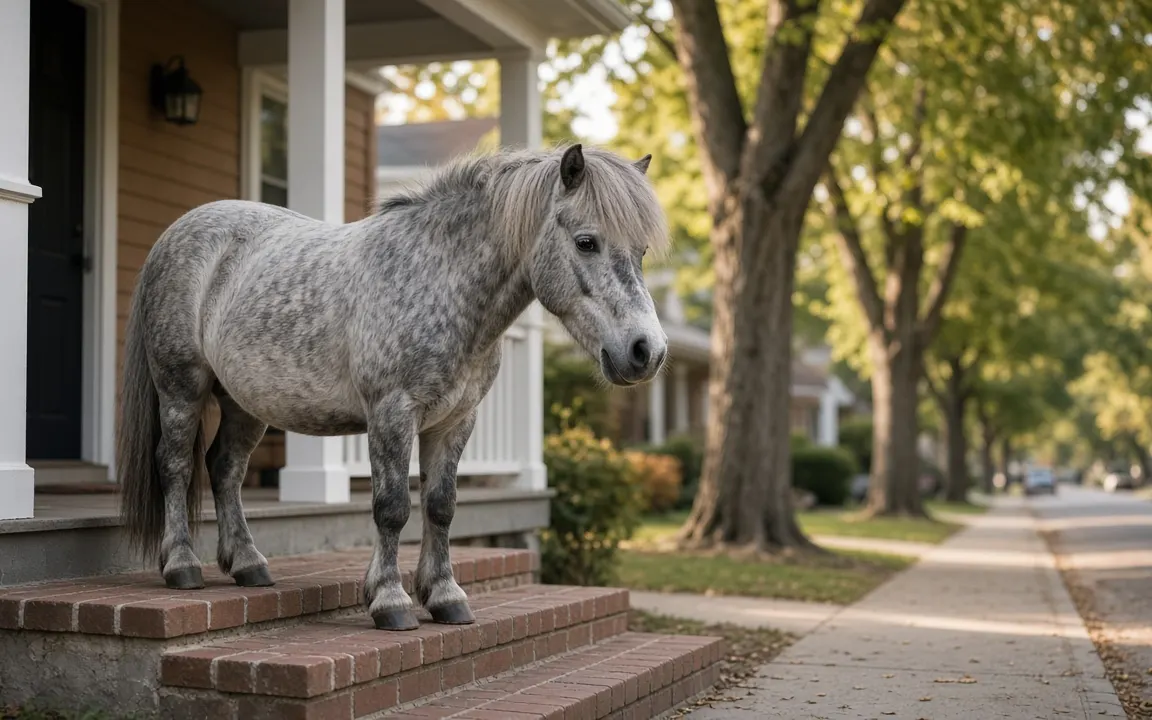
Pueblo, Colorado
Finding horse aftercare that reaches Pueblo
Summer heat and dry wind in Pueblo County mean a large animal's body should be dealt with quickly, ideally within a day. Winter brings frozen ground, which makes burial on your own land difficult even where it is allowed. Many ranching families find it practical to work out cremation or removal choices ahead of time, and to know which neighbor has a tractor or trailer if help is needed.
Pueblo County is ranching and farming country, with cattle and horses on the plains, irrigated fields along the Arkansas and small acreages around Pueblo West and the St. Charles Mesa. The Colorado State Fair is held in Pueblo each summer, and 4-H families raise sheep, goats, pigs and steers here. Quotes depend on the location, the road surface and whether a loader or winch truck can get to the animal.
If your horse came from a rescue, a retirement farm or a breed society near Pueblo, it's worth telling them. Many rescues keep a close interest in the horses they placed and some have arrangements with local vets or haulers. A few veterinary schools also accept horses for teaching or research and arrange collection, though the ashes are not usually returned. Ask your vet whether that option exists nearby.
With roughly 110,404 residents, Pueblo is the 10th-largest of the 36 Colorado communities we cover. Some of the providers who serve Pueblo are based about 40 miles away in Colorado Springs, the nearest larger centre, so collection times reflect that drive.
For a second opinion on price, Fountain (29 miles), Colorado Springs (41 miles, a larger centre) and Castle Rock (78 miles) are close enough that their providers cover Pueblo routinely. Two written quotes tell you more than any price list.
77.4%[1]
The NFDA projected Colorado's cremation rate at 77.4% for 2024.
6.6 million[2]
There were an estimated 6.6 million horses in the United States in 2023, down from 7.2 million in 2017.
$600-$1,000[3]
Cremating a 1,000-pound horse was reported to cost about $600-$1,000, depending on location and the price of propane.
3-5% of body weight[4]
Embrace notes cremated remains typically weigh about 3-5% of the pet's original body weight.
Sources for the statistics above: Embrace Pet Insurance and American Horse Council.
What owners in Colorado tend to choose
People here know cremation well: about 77.4%[1] of people in Colorado choose it. What surprises many horse owners is the amount of ash. An adult person leaves about 5.4 lb[5], while a horse leaves several times that, so there's enough to scatter on a favorite trail, bury under a tree and still keep a small urn at home.
The Colorado figure comes from NFDA 2024 Cremation & Burial Report state projections (via Occasional Sage) (2024). It describes people, not pets, so read it as a sign of local attitudes rather than a pet statistic.
Planning around the Pueblo calendar
A horse's ashes are easy to keep until the season suits you. Many owners in places with winters like Pueblo's keep the urn in the house or the tack room through the cold months, then bury or scatter the ashes on a warm evening in spring, often with the riders who knew the horse best.
Plan a goodbye around the weather where you can. A July euthanasia is easier in the cool of early morning; a winter one is easier on a dry, clear day when the lane is passable. Your vet will understand if you ask to move an appointment for either reason, and so will a good collection service.

Cremation, burial or rendering: the costs
The headline price is rarely the whole bill. Watch for the vet's farm call and euthanasia, weekend or after-hours collection, a tractor or skid-steer fee at a boarding barn, a larger urn or chest, and at renderers, possible surcharges for horses that were put to sleep[6]. In Minnesota, the University of Minnesota reported rendering at $150+[7] per pickup (UMN Extension), above the national low end.
The full price table by size is on our Colorado page, and the services page explains what each option includes.

Free tool
Horse aftercare cost comparison
Compare equine cremation, burial, rendering and composting side by side.
Burial and disposal rules in Colorado
Before anyone digs, check the rules for Colorado. Burying a large animal commonly comes with conditions on soil cover, clearance above groundwater and setbacks from wells, streams and property lines, and counties or councils can add their own. A horse grave is big, around 9 ft deep[9] under US extension guidance, so the site matters as much as the permission.
To find your county or city office in Colorado, start with the official Colorado local government directory.
We keep Colorado's burial and scattering rules in one place: the Colorado rules summary. Before a home burial in Pueblo, also ask the city whether local ordinances add anything.
Who to call, and in what order
- Call the barn manager first if your horse is boarded. They control the gates, the machinery and where a truck can park.
- Check the barn's rules about which areas the vet may use and the deadline for removing a body from the yard.
- Agree who pays for what: your vet's bill, the pickup, and any tractor or skid-steer time the barn puts in.
- Contact an equine-capable provider, or ask us to find local options, and give them the barn's exact address.
- Pick a time when other boarders' horses can be brought in and the aisle cleared.
- Leave a note at the barn office with the provider's name, the pickup time and your phone number.
Keeping your horse's memory close to home
Around Pueblo, livestock are often part of a family's work and identity, from rodeo horses to a child's fair lamb. The loss of a long-kept animal touches everyone who fed and cared for it. Families sometimes save a brand-stamped halter, a show ribbon, some mane hair or part of the ashes. If you would like any of these, mention it before the animal is taken.
try the free planning tools, or look at how readers voted in our polls, read our guides and latest articles, Our services overview lays out every option side by side. More local pages: Aurora, Colorado Springs, Fort Collins and Thornton, the Colorado overview and every city in the United States.

Reader polls
What would you choose?
Vote anonymously and see how other readers answered. The results are live counts from people who visit this site, so they show real opinions, not a scientific sample.
What would you most want to keep from your horse?
Tap an answer to vote and see how others answered. Anonymous.
What worries you most about horse aftercare?
Tap an answer to vote and see how others answered. Anonymous.
If you had to decide today, which aftercare would you choose for your pet?
Tap an answer to vote and see how others answered. Anonymous.

Free tools to help you plan
Horse aftercare cost comparison
Compare equine cremation, burial, rendering and composting side by side.

Aftercare options compared
Compare private, communal and water cremation with burial on cost, timing and what comes home.

Ashes weight estimator
See roughly how much ash to expect back, by species and body weight.
Questions people ask
Why does the Pueblo page quote a human cremation rate?
Because it is the best local signal we have. NFDA 2024 Cremation & Burial Report state projections (via Occasional Sage) (2024) reports about 77.4%[1] of Colorado residents are cremated. There is no official pet equivalent, and inventing one would be worse than quoting a real, clearly labelled number.
How does Pueblo's weather affect horse aftercare?
July is the hottest month in Pueblo, with average highs around 93°F, so prompt collection matters most then. Average lows drop below freezing in January, February, March, November and December, which can make digging a grave hard until spring.
Will I have to travel to Colorado Springs to arrange things?
Not usually. Providers based in Colorado Springs (roughly 40 miles from Pueblo) collect from here as a matter of routine, and the paperwork is done by email or phone. If you want to be present for a witnessed cremation, that is when the drive matters.
Can a provider from a neighbouring town collect from Pueblo?
Usually yes. Fountain is about 29 miles away, Colorado Springs is about 41 miles away and Castle Rock is about 78 miles away, all inside a normal collection radius. Get the mileage written into the quote so there is no surprise on the day.
Does equine insurance pay for horse cremation?
Usually not directly. Mortality insurance pays out on the insured value of the horse, and most policies don't cover aftercare, though some include a small disposal allowance. What matters most is timing: many insurers want to be told before the body is moved and may want an approved vet to examine your horse. Call the claims line first, then book cremation once they've agreed.
What should I do if my horse dies in the Pueblo summer heat?
Call for collection straight away and ask for same-day pickup. Cover the body with a light-colored tarp, rig some shade if you can, and keep other horses and dogs away. Don't try to move the body without the right equipment. If burial is your plan, book the backhoe at once, because in hot weather waiting overnight isn't kind to anyone.


Sources and our estimates
- [1] The NFDA projected Colorado's cremation rate at 77.4% for 2024. NFDA 2024 Cremation & Burial Report state projections (via Occasional Sage), 2024.
- [2] There were an estimated 6.6 million horses in the United States in 2023, down from 7.2 million in 2017. American Horse Council - 2023 National Equine Economic Impact Study release, 2023.
- [3] Cremating a 1,000-pound horse was reported to cost about $600-$1,000, depending on location and the price of propane. Extension Horses (eXtension national Cooperative Extension) - Horse Disposal Options, 2019, 2019.
- [4] Embrace notes cremated remains typically weigh about 3-5% of the pet's original body weight. Embrace Pet Insurance - Bury or Cremate Your Dog? Costs, Pros & Cons, 2025.
- [5] Adult human cremains averaged 2,430 g (about 5.4 lb) and ranged from 876 g to 3,784 g; stature, not body weight, was the best predictor of cremains weight, because ash is mostly bone. Warren MW, Maples WR. The anthropometry of contemporary commercial cremation. Journal of Forensic Sciences, 1997 (PMID 9144931), 1997.
- [6] Renderers have served horse owners for over 100 years, but regulatory changes have reduced the number of rendering plants willing to accept horses, and fees and drug-residue rules may apply. Cornell Waste Management Institute & Penn State - Horse Mortality: Carcass Disposal Alternatives (2012), 2012.
- [7] University of Minnesota Extension reports rendering services cost $150 or more per pickup for a horse. University of Minnesota Extension - Horse carcass disposal (Martinson & Wilson, reviewed 2022), 2022.
- [8] Choosing on-farm composting instead of cremation saves a horse owner roughly $525 at midpoint prices (2012-2019 extension figures, not inflation-adjusted). Our estimate: $800 cremation midpoint - $275 composting midpoint. How we calculate.
- [9] Extension guidance recommends a horse burial trench about 7 feet wide and 9 feet deep, covered by 3-4 feet of soil, and no fewer than 100 yards from wells and streams. Extension Horses (eXtension national Cooperative Extension) - Horse Disposal Options, 2019, 2019.
Tell us about your horse
Tell us what you need and where you are. We'll reply by email with clear options and prices so you can decide in your own time.