Horse cremation and aftercare in Melbourne
Few crematories can take a full-size horse, so distance shapes every quote in and around Melbourne. Here's what cremation costs, how collection works and what to ask first.
- Straight answers on trucks, gates and ground
- Written totals that include the haul
- Keepsakes saved before collection
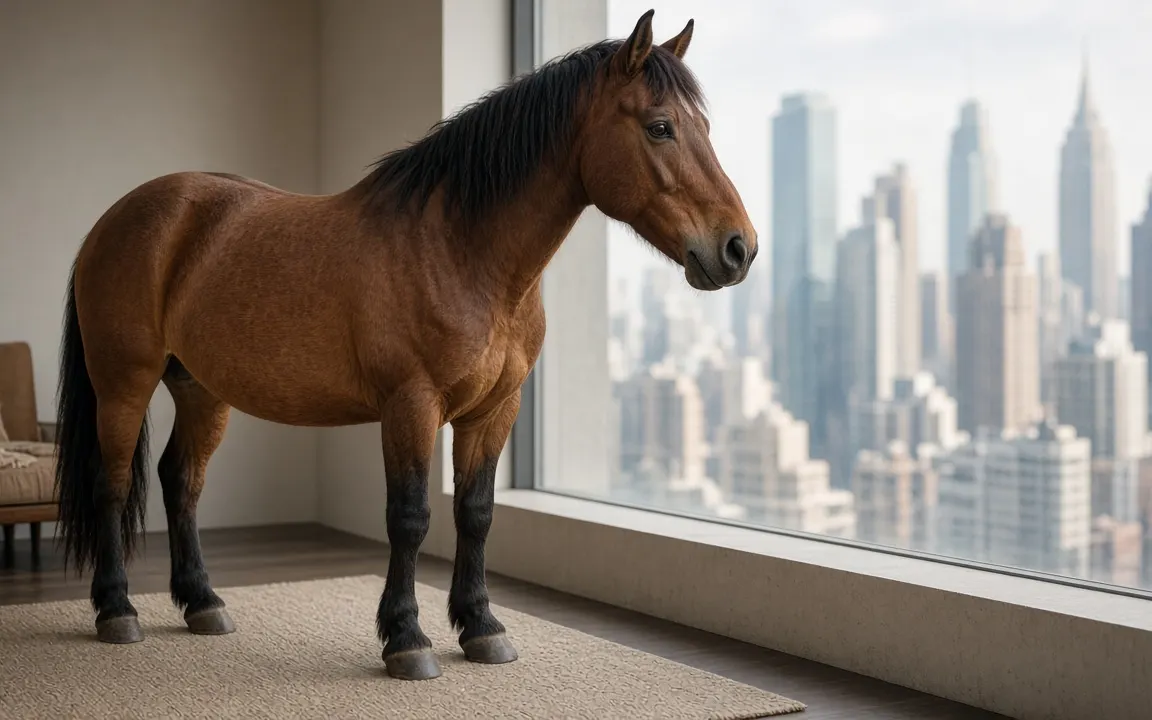
Melbourne, Victoria
Barns, farms and distance around Melbourne
Hobby farms around Melbourne keep goats, sheep, alpacas and pigs, often as family animals. A companion animal can usually be cremated individually with the ashes returned, while commercial livestock typically follows agricultural disposal or on-farm burial within state rules. Let us know the species, weight and whether the animal was a pet or part of a farm business, so options match.
Wet Melbourne winters turn paddocks in the Yarra Valley and the Macedon Ranges into mud that a heavy truck can bog in, while summer brings heat and fire danger in the ranges. For an ageing horse, cow or alpaca, pick a spot close to a gravel track or driveway ahead of time, and check which providers travel as far as your district before the day comes, so nothing has to be worked out in a rush.
Sport and show horses kept near Melbourne are more likely than most to carry mortality insurance. If yours is insured, the insurer usually wants to hear about a death before the body goes anywhere, and may ask for a post-mortem by a vet they approve. Put the policy number and the claims line in your phone next to your vet's number, because cremation can't be undone once it starts.
About 5,078,000 people live in Melbourne, which makes it the largest of the 5 Victoria communities we cover.
Nearby, we also have local pages for Toorak (3 miles), Geelong (40 miles) and Ballarat (63 miles), which can help if your vet or the provider you prefer is based there.
71%[1]
Australian cremation rates hovered around 70-72% between 2020 and 2023, with Sydney and Melbourne often above 80%.
6.6 million[2]
There were an estimated 6.6 million horses in the United States in 2023, down from 7.2 million in 2017.
$600-$1,000[3]
Cremating a 1,000-pound horse was reported to cost about $600-$1,000, depending on location and the price of propane.
3-5% of body weight[4]
Embrace notes cremated remains typically weigh about 3-5% of the pet's original body weight.
Where these figures come from: Extension Horses (eXtension national Cooperative Extension) and Embrace Pet Insurance.
Farm burial, cremation and local habits
With about 71%[1] of people in Australia cremated, local culture leans strongly toward cremation, and it shows in how animal owners plan. For horses, it tends to mean more owners asking for the ashes back than in places where burial dominates. It doesn't mean more equine crematories, though; those depend on horse numbers, not on human habits, so check the distance before you decide.
That Australia rate is a human one, published by FuneralSmart (2023). We quote it for Melbourne only as a pointer to how families here already think about cremation.
Weather, ground and truck access in Melbourne
Ask every provider the same question: what happens if you can't reach my horse? Good ones will have an answer, such as a longer winch cable, a tracked machine or asking you to have a tractor ready. Hearing it in advance tells you whether their truck will actually suit your land, whatever the weather that week.

Where the money goes: haul, chamber and extras
If you have suitable land and machinery near Melbourne, burial is often the lowest-cost route, and in the US backhoe hire for a horse has been reported at $250-$500[5] as a rough guide. Ask your council what it requires first. If you'd rather have ashes, get two written cremation quotes and compare them against a knackery pickup before deciding.
The full price table by size is on our Victoria page, and the services page explains what each option includes.

Free tool
Horse aftercare cost comparison
Compare equine cremation, burial, rendering and composting side by side.
Burial and disposal rules in Victoria
Before anyone digs, check the rules for Victoria. Burying a large animal commonly comes with conditions on soil cover, clearance above groundwater and setbacks from wells, streams and property lines, and counties or councils can add their own. A horse grave is big, around 9 ft deep[7] under US extension guidance, so the site matters as much as the permission.
In Australia, burying a horse is usually a council matter: rural properties often can, suburban blocks usually can't. Knackeries and carcass-removal services operate in many regions and are often the quickest option in summer heat. Individual cremation of a full-size horse is a specialist service, so ask your equine vet which providers can take one and how far they'll travel.
The Victoria page sets out who oversees pet cremation and what the state says about burial and scattering. Melbourne's own bylaws can sit on top of that, so ask before you dig.
Step by step, from the field to the urn
- Check from a distance first when you discover your horse on the ground. Watch the flank for breath before you approach, and stay clear of the legs.
- Call the vet even when death is obvious. An unexplained death may be worth a post-mortem, and your vet can say whether it is.
- Ring your insurer before the body leaves, assuming your horse was covered for mortality. Plenty of policies require notice in advance and can insist on an examination.
- Take a few photos showing the position and the place, for the vet and the insurer, and only then cover the body.
- Move the other horses into the barn or a distant paddock after they've had a short while beside their friend.
- Ask how a post-mortem affects getting the ashes back, because some diagnostic labs handle disposal themselves.
- Book collection once those decisions are made, and give the driver a firm route to the spot.
Memorials at the barn and beyond
Melbourne is a racing city, and large animals are everywhere on its fringes: racing stables and pony clubs, cattle and sheep on farms to the west, and alpacas and goats on hobby blocks in the Yarra Valley, the Mornington Peninsula and the Macedon Ranges. When a large animal dies, a clear route for a lifting truck and your preference for individual cremation or knackery collection are the first things to settle. Share the property address and gate details when you ask.
browse in-depth guides or recent articles, or see how other readers answered in our polls, use the free tools before you ring anyone, For a plain comparison of the choices, open services. You can also browse every city in Australia. Nearby, we also cover Ballarat, Bendigo, Geelong and Toorak, and every city in Victoria.

Reader polls
What would you choose?
Vote anonymously and see how other readers answered. The results are live counts from people who visit this site, so they show real opinions, not a scientific sample.
Where would you want your horse's last moments to be?
Tap an answer to vote and see how others answered. Anonymous.
Where does your horse live?
Tap an answer to vote and see how others answered. Anonymous.
If you had to decide today, which aftercare would you choose for your pet?
Tap an answer to vote and see how others answered. Anonymous.

Free tools to help you plan
Horse aftercare cost comparison
Compare equine cremation, burial, rendering and composting side by side.

Aftercare options compared
Compare private, communal and water cremation with burial on cost, timing and what comes home.

Ashes weight estimator
See roughly how much ash to expect back, by species and body weight.
Questions people ask
Is cremation common in Australia?
For people, yes: about 71%[1] of Australia deaths end in cremation, according to FuneralSmart (2023). Nobody publishes the same figure for pets, but in our experience pet choices in Melbourne follow the human pattern closely, so cremation is the default most families here start from.
Which nearby towns can I compare with Melbourne?
The closest communities we cover are Toorak (about 3 miles), Geelong (about 40 miles) and Ballarat (about 63 miles). Providers based in those places often serve Melbourne too. Ask each one for a written total that includes collection, so the distance is priced in.
Should I be there when my horse is loaded onto the truck?
You can, but many owners choose not to. Loading uses a winch and takes a few minutes, and it can be hard to watch. A common approach is to say goodbye, cover your horse, then let a friend or the barn manager stay with the driver. If you do want to be there, tell the provider beforehand and they'll talk you through what happens.
My horse is at a boarding barn near Melbourne. Who decides what happens?
You do, as the owner, but the barn owner controls the property. They'll have a say on where euthanasia happens, whether their tractor or skid steer can help, and how quickly the body must leave. Many suburban barns won't allow burial on site. Talk to the barn manager early and leave written instructions with the office.
What should I do first if my horse dies near Melbourne?
Call your vet to confirm the death, keep people clear and cover the body. Save any keepsakes, such as tail hair, mane or a shoe. Then contact whichever service operates locally, whether a crematory, a collector or a burial contractor, and describe how a vehicle can reach your horse. Keep other animals away until collection.
Can I be present at my horse's cremation near Melbourne?
Some large-animal crematories allow owners to attend the start of the cremation or to spend time with their horse before it, but not all can, and the drive may be long. Ask when you first call, and ask what attending involves, since loading into a large chamber uses machinery. Many owners prefer to say goodbye at home and simply be told when it's done.


Sources and our estimates
- [1] Australian cremation rates hovered around 70-72% between 2020 and 2023, with Sydney and Melbourne often above 80%. FuneralSmart, 2023.
- [2] There were an estimated 6.6 million horses in the United States in 2023, down from 7.2 million in 2017. American Horse Council - 2023 National Equine Economic Impact Study release, 2023.
- [3] Cremating a 1,000-pound horse was reported to cost about $600-$1,000, depending on location and the price of propane. Extension Horses (eXtension national Cooperative Extension) - Horse Disposal Options, 2019, 2019.
- [4] Embrace notes cremated remains typically weigh about 3-5% of the pet's original body weight. Embrace Pet Insurance - Bury or Cremate Your Dog? Costs, Pros & Cons, 2025.
- [5] Renting a backhoe to bury a horse costs roughly $250-$500, and horse disposal in a landfill (where accepted) costs about $80-$150. Extension Horses (eXtension national Cooperative Extension) - Horse Disposal Options, 2019, 2019.
- [6] Choosing on-farm composting instead of cremation saves a horse owner roughly $525 at midpoint prices (2012-2019 extension figures, not inflation-adjusted). Our estimate: $800 cremation midpoint - $275 composting midpoint. How we calculate.
- [7] Extension guidance recommends a horse burial trench about 7 feet wide and 9 feet deep, covered by 3-4 feet of soil, and no fewer than 100 yards from wells and streams. Extension Horses (eXtension national Cooperative Extension) - Horse Disposal Options, 2019, 2019.
Find an equine provider that reaches you
Tell us what you need and where you are. We'll reply by email with clear options and prices so you can decide in your own time.